
AI's nuclear power push faces cost and regulatory hurdles
This digest was compiled by AI from multiple sources — links to the originals are below.
Investors poured $4.6 billion into US nuclear startups in 2026, up from $3.8 billion in 2025, betting on demand from data centers. Widespread commercialization of new reactors is not expected until about 2035, according to Bloomberg Intelligence. The money is arriving faster than projects are maturing, ClearView Energy Partners said.
Key Facts
- US nuclear startups raised $4.6 billion in 2026, up from $3.8 billion in 2025, according to Crunchbase.
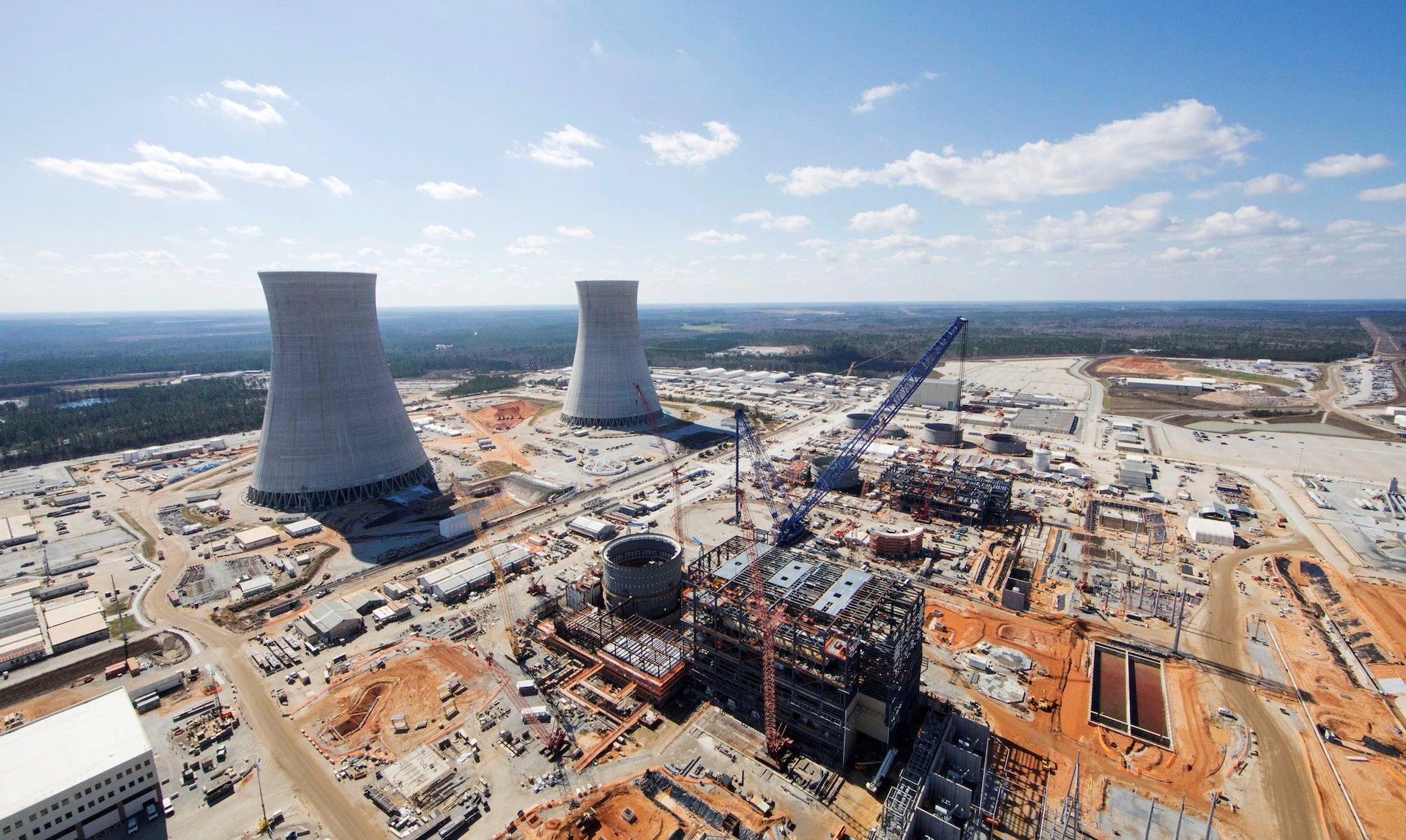
- Only two new commercial reactors are under construction in the US and Canada, with no other projects approved by regulators.
- Bloomberg Intelligence projects widespread commercialization of new nuclear technology around 2035.
- Dozens of companies are developing small modular reactors designed for factory production and on-site assembly.
Investment Surge
Investors have poured $4.6 billion into US nuclear startups so far this year, up from $3.8 billion raised in 2025, according to Crunchbase. They are betting that deep-pocketed tech firms desperate for power will pay higher prices for carbon-free electricity that is available around the clock. Demand for electricity is climbing, especially from data centers. The key question is when those big checks will yield actual steel and concrete power plants.
Regulatory and Cost Hurdles
Only two new commercial reactors are under construction in the US and Canada, and no other such projects have received approval from regulators. Startups that have lined up venture financing still have to navigate a complex regulatory process, prove they can actually build new reactors that can generate electricity, and then commercialize those never-before-built technologies at scale. High up-front costs and a still-emerging supply chain are additional hurdles. According to Bloomberg Intelligence, widespread commercialization will not arrive until about 2035.
Technology and Supply Chain
Dozens of companies are developing the next wave of nuclear technology, based on new designs. Many are focused on so-called small modular reactors (SMRs), which are expected to be built in factories and assembled on site, a strategy aimed at reducing costs and accelerating construction. Still, the technologies remain unproven and the industry needs to show that it is possible to build both the new reactors and the new supply chains that will eventually make them cost-effective. The key to making the nuclear industry more competitive is being able to mass-produce the components in factories, said Drew Wandzilak, a principal with Alumni Ventures.
1 source
Time · lag behind first