Meta's $18 Billion Teen Addiction Settlement Draws Divided Expert Reaction
This digest was compiled by AI from multiple sources — links to the originals are below.
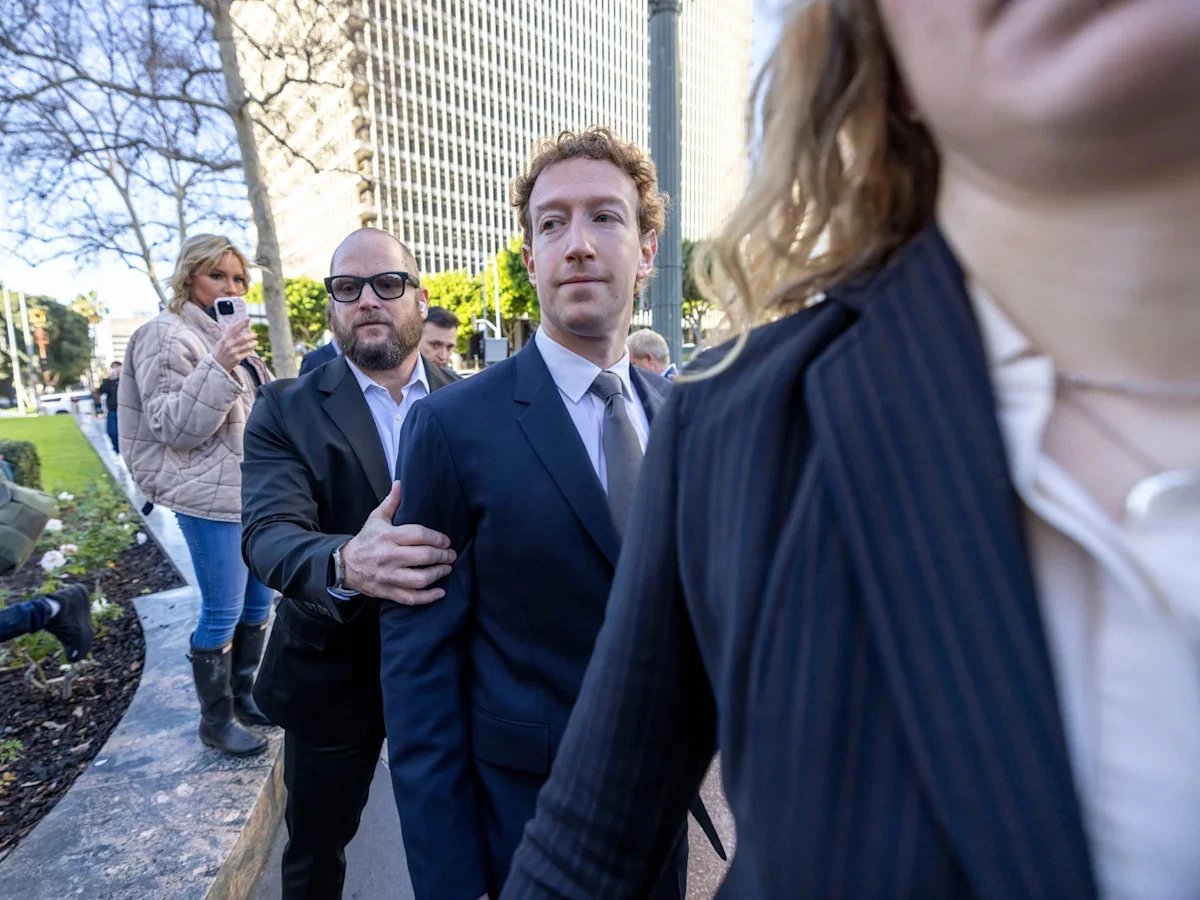
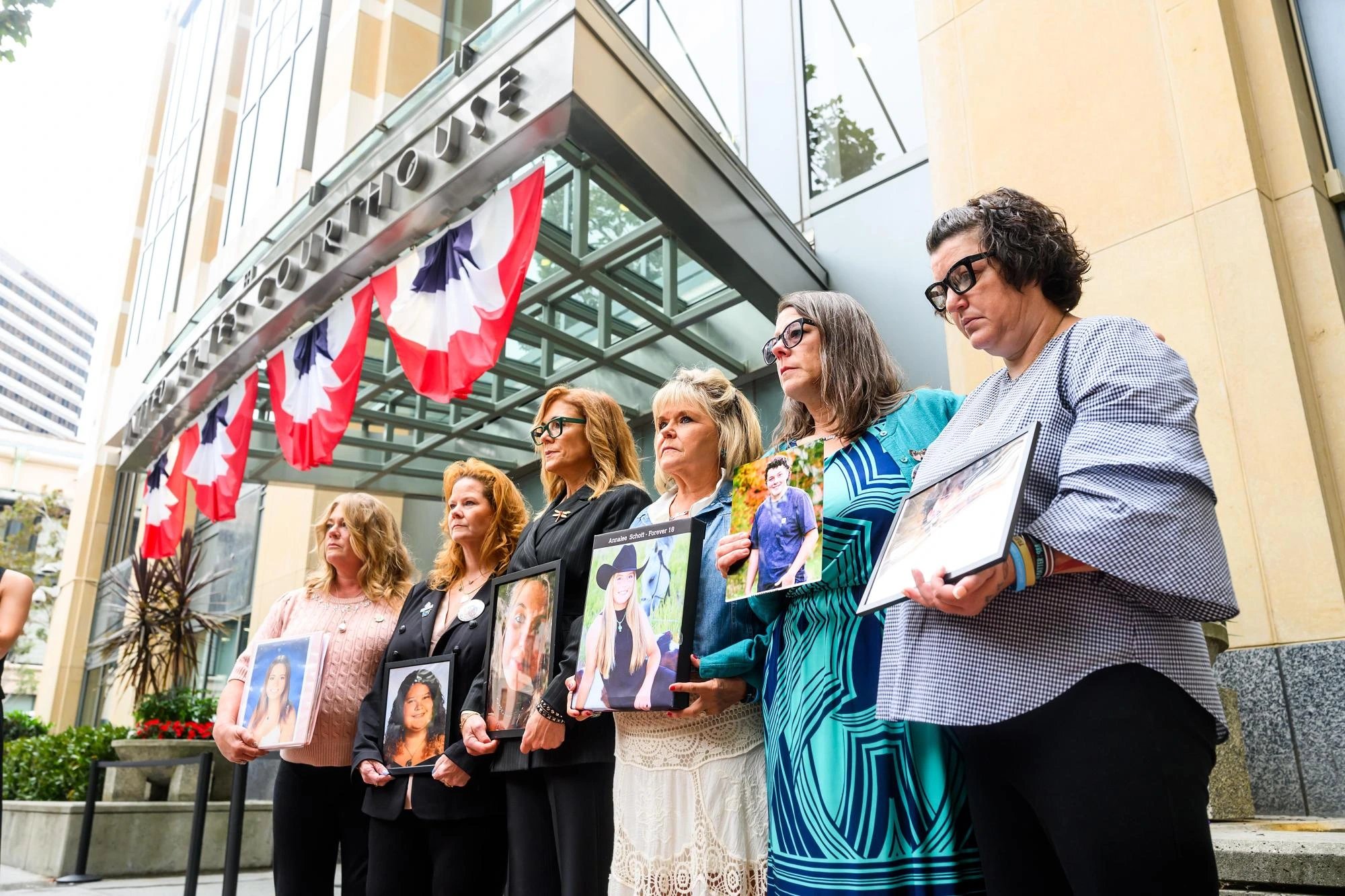
Meta settled a teen social media addiction lawsuit with 47 states, the District of Columbia, and several territories for about $18 billion on Wednesday. The settlement includes restrictions on teen Instagram and Facebook use, such as a two-hour daily scrolling limit and no nighttime access. Legal and academic experts are divided on whether the deal is a shrewd business move or a weak, hard-to-enforce compromise.
Key Facts
- Meta agreed to pay about $18 billion to 47 states, the District of Columbia, and several American territories over the next decade.
- The settlement requires teen Instagram and Facebook users to be limited to two hours of scrolling per day, with no nighttime access or school-day notifications.
- Around $5 billion of the settlement is contingent upon YouTube and TikTok instituting similar teen controls and paying billions.
- First Amendment lawyer Ari Cohn called the settlement a "shrewd business move, but awful for free speech."
- University of Washington professor Uttara Ananthakrishnan said she doubts Meta's restrictions will live up to expectations, citing poor enforcement of its own policies.
Settlement Terms
Meta settled the lawsuit brought by a group of states in 2023 that alleged the company designed its platforms to be addictive to teenagers. The deal includes restrictions for teen users of Instagram and Facebook, pending approval by the federal judge overseeing the case. Teen users would be limited to two hours of scrolling per day, unable to scroll at night, and would not receive notifications during the school day. The settlement also includes about $18 billion for 47 states, the District of Columbia, and several American territories, paid in installments over the next decade. Around $5 billion of that sum is contingent upon YouTube and TikTok also paying billions and instituting similar controls for teen users.
Expert Reactions
First Amendment lawyer Ari Cohn called the settlement a "shrewd business move, but awful for free speech." Cohn said Meta is "attempting regulatory capture" by setting a standard it hopes rival social media giants will follow. University of Washington associate professor Uttara Ananthakrishnan said she wouldn't be surprised if YouTube and TikTok announce similar restrictions in the coming days. Ananthakrishnan, who has authored research on TikTok's addictive qualities, said she doubts the restrictions will live up to expectations. She pointed to Australia's teen social media ban, which has largely failed to keep young users off platforms, as evidence of enforcement difficulty.
1 source
Meta's $18 Billion Teen Addiction Settlement Draws Divided Expert Reaction