
AI finds cheaper way to 3D-print NASA rocket alloy after 100 million searches
This digest was compiled by AI from multiple sources — links to the originals are below.
Washington State University researchers used AI to identify a faster, cheaper way to 3D-print the NASA alloy GRCop-42, avoiding manual testing of over 100 million configurations. The method enables printing on common commercial machines, potentially democratizing the alloy's use. The work won the Innovative Deployed Application Award at the AAAI Conference on Artificial Intelligence.
Key Facts
- The AI strategy identified feasible printing parameters for GRCop-42 after searching more than 100 million possible configurations.
- GRCop-42 is a copper-chromium-niobium alloy developed by NASA for high-temperature aerospace applications, including liquid rocket engine combustion chambers.
- Ninety percent of commercial printers cannot currently print GRCop-42, according to project leader Jana Doppa.
- The research was published in the Proceedings of the AAAI Conference on Artificial Intelligence and received the Innovative Deployed Application Award.
- A single print of GRCop-42 can cost hundreds of dollars, and analyzing a finished sample can require several days.
The Alloy
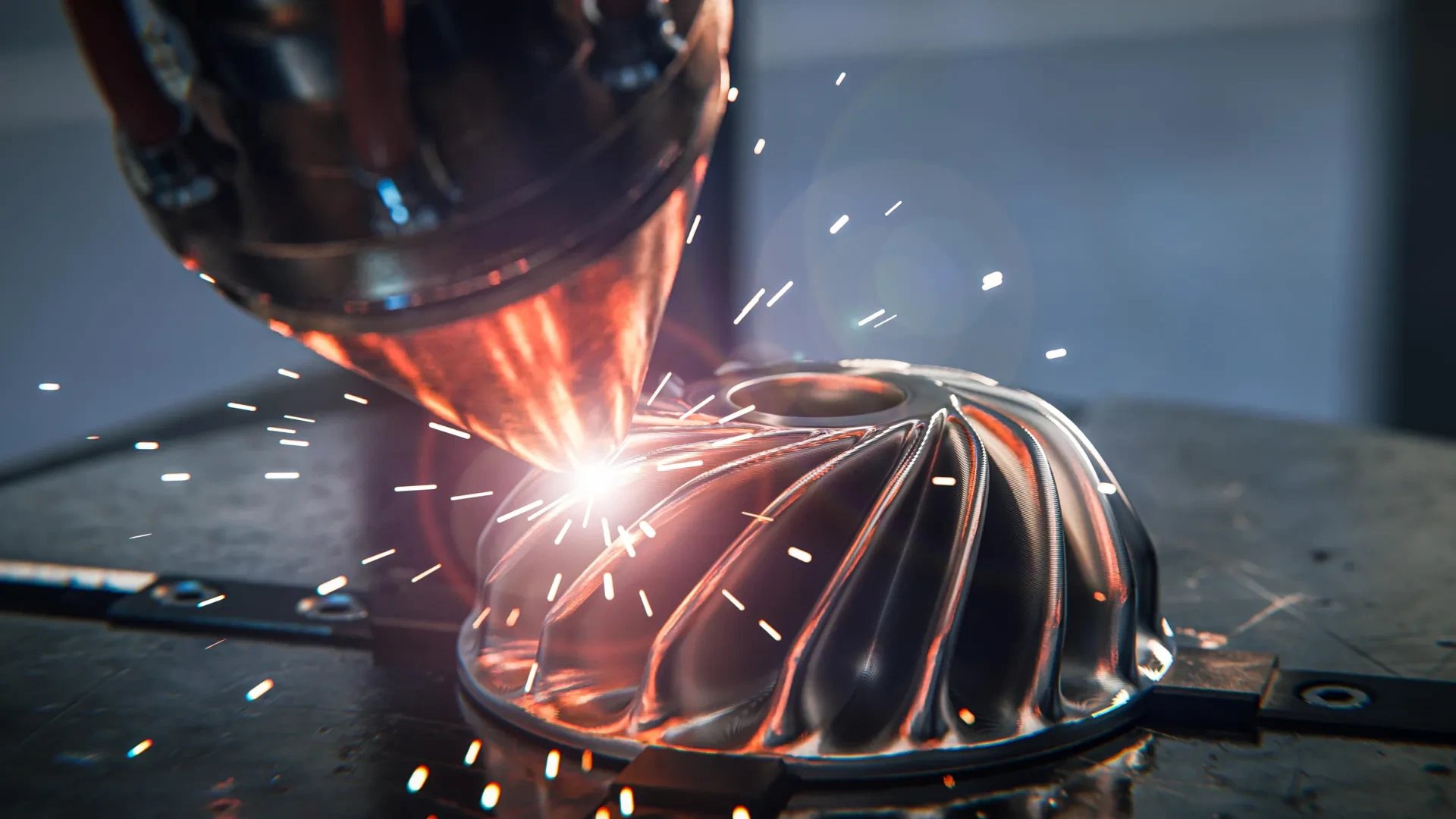
GRCop-42 is an alloy made from copper, chromium, and niobium. NASA developed the material for demanding environments where both heat resistance and efficient heat transfer are essential. The alloy is used in aerospace systems, including liquid rocket engine combustion chambers. Despite its desirable properties, GRCop-42 is difficult and costly to 3D print because the process typically requires substantial laser power and energy.
The AI Search
The researchers started with data from 37 printing configurations that had already failed in earlier experiments conducted in the School of Mechanical and Materials Engineering. The AI strategy efficiently chose candidates from a search space of more than 100 million possible printing configurations. Previous attempts to print GRCop-42 using the lower wattages available on more common commercial machines had not succeeded. Testing possible printing settings one by one is impractical because each attempt consumes expensive material, requires specialized equipment, and takes considerable human effort.
Commercial Impact
The advance could eventually make GRCop-42 printable on more common commercial equipment. Jana Doppa, Huie-Rogers Endowed Chair Professor of Computer Science, said the team is essentially democratizing the printing of this alloy. The AI strategy developed by the team could also be useful for other scientific problems involving enormous numbers of possible experiments, including drug discovery.
1 source
Time · lag behind first