
Oil falls 2% after Iran signals progress on Hormuz shipping talks
This digest was compiled by AI from multiple sources — links to the originals are below.
Oil prices fell about 2% on Wednesday, extending the previous session's decline, after Iran said it would resume talks with Oman on shipping through the Strait of Hormuz. Brent crude dropped $1.78 to $86.80 a barrel, while WTI fell $1.49 to $80.87. The decline came even as a tanker was hit by an unidentified projectile near the strait's entrance on Tuesday.
Key Facts
- Brent crude futures fell $1.78, or 2%, to $86.80 a barrel on Wednesday.
- WTI futures fell $1.49, or 1.8%, to $80.87 a barrel.
- Iran and Oman agreed on Tuesday to a joint temporary navigation corridor and to clear mines from the Strait of Hormuz.
- The American Petroleum Institute estimated U.S. crude inventories rose by about 4.2 million barrels in the week to August 21.
- The U.S. expanded sanctions against Iran on Monday and threatened penalties for countries continuing to do business with the republic.
Market Reaction
Brent crude futures fell $1.78, or 2%, to $86.80 a barrel on Wednesday, extending the previous session's decline of more than 3%. WTI futures fell $1.49, or 1.8%, to $80.87 a barrel. Mitsuru Muraishi, an analyst at Fujitomi Securities, said the market was reacting to developments around Hormuz shipping and that hopes for progress in Iran-Oman talks triggered the sell-off. He added that lingering uncertainty was supporting buying on dips, limiting further price declines and likely keeping prices in a range for the near term.
Iran-Oman Shipping Talks
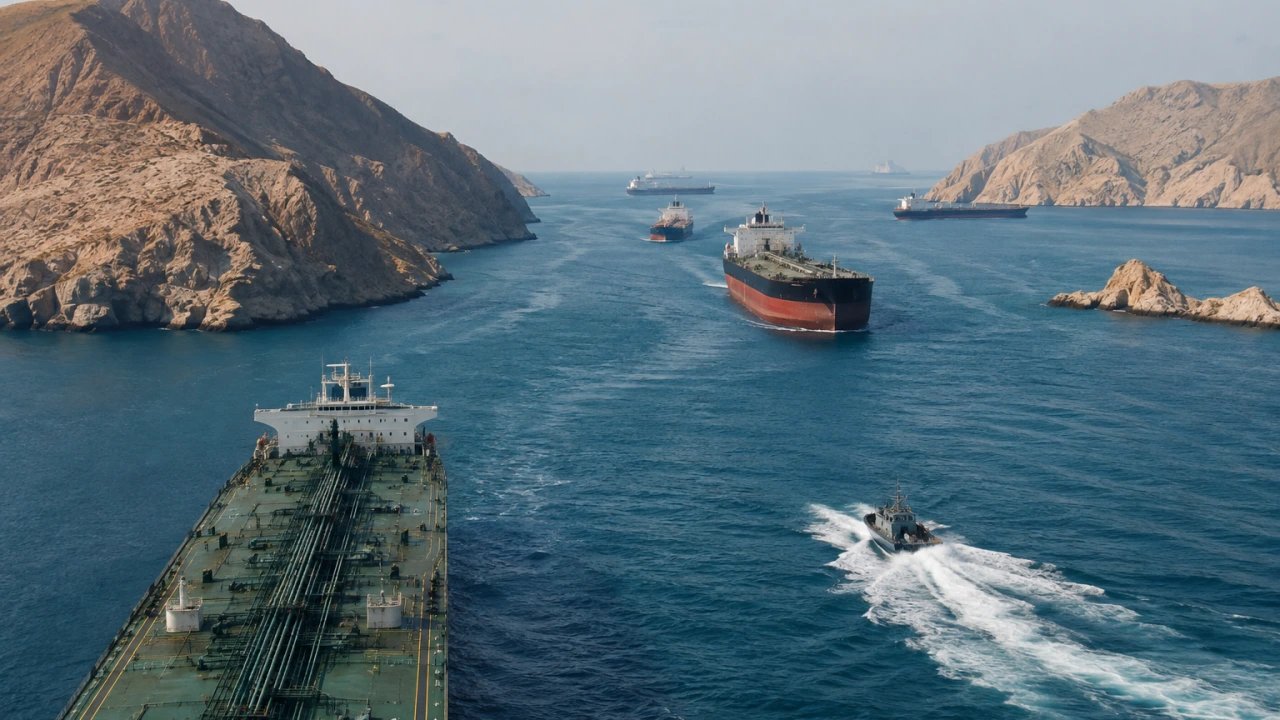
Iran and Oman have periodically discussed security and control of vessel traffic through the Strait of Hormuz in recent weeks. On Tuesday, the two sides announced agreement on a joint temporary navigation corridor and a deal to clear mines from the waterway. Before the war began in February, about one-fifth of global oil and LNG supplies passed through the Strait of Hormuz. Any signs of restored shipping therefore quickly affect crude prices.
Sanctions and Supply Risks
The United States began returning some personnel to diplomatic missions in the Middle East that had been evacuated or reduced due to tensions around Iran. Some missions will operate below full staffing for now, according to Reuters sources. Washington continues economic pressure on Tehran, expanding sanctions against Iran on Monday and threatening punishment for countries that keep doing business with the republic. Shipping risks persist: on Tuesday an oil tanker was struck by an unidentified projectile about 17 km northeast of Oman's port of Ash Shishah, at the entrance to the Strait of Hormuz, the UK Maritime Trade Operations reported. The American Petroleum Institute estimated U.S. crude inventories rose by about 4.2 million barrels in the week to August 21, well above analyst expectations of around 600,000 barrels.
2 sources
Time · lag behind first