
US Moves to Counter Russia and China in Iraq's Oil Sector
This digest was compiled by AI from multiple sources — links to the originals are below.
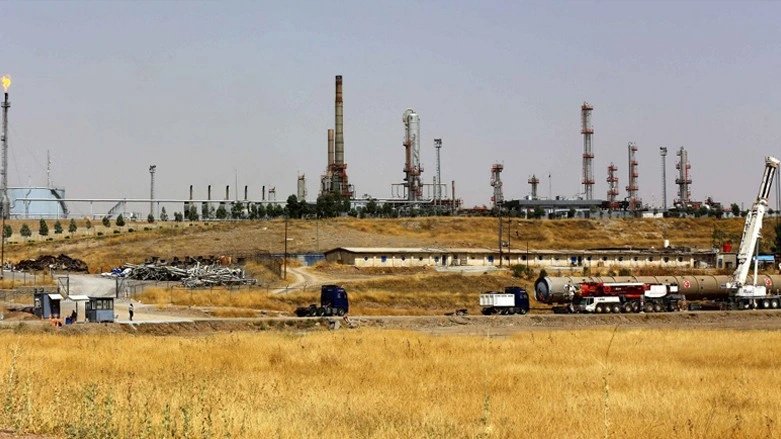
The United States is leveraging its position in Iraq to counter Russian and Chinese influence in the country's oil sector. Washington's efforts have gained urgency after Iraqi Prime Minister Ali al-Zaidi announced plans to raise oil production to 8-10 million barrels per day within six years. The U.S. and its allies seek to benefit from Iraq's vast reserves and strategic location.
Key Facts
- Iraq holds an estimated 145 billion barrels of proved crude oil reserves, the fifth largest in the world, according to the Energy Information Administration.
- Iraqi Prime Minister Ali al-Zaidi announced plans to raise oil production to between 8 million and 10 million barrels per day within six years.
- Russia has effectively seized control over Iraq's semi-autonomous Kurdistan Region through three initiatives.
- China secured two wide-ranging cooperation deals with Iraq in 2019 and 2020: 'Oil for Reconstruction and Investment' and the 'Iraq-China Framework Agreement'.
- Iraq's oil lifting cost of $2-4 per barrel is the joint lowest in the world, along with Iran and Saudi Arabia.
Iraq's Strategic Value
Iraq possesses four key qualities that make it a prize for global powers: vast oil reserves, a central geographical position, membership in the Shia Crescent of Power, and its role as a conduit for Iranian oil exports. The country's proved crude oil reserves are conservatively estimated at 145 billion barrels, nearly 18% of the Middle East's total and the fifth largest globally, according to the Energy Information Administration. Iraq's lifting cost of $2-4 per barrel is the joint lowest in the world, alongside Iran and Saudi Arabia. Geographically, Iraq lies west of Iran, north of Saudi Arabia and Kuwait, east of Jordan and Syria, and south of Turkey, affording access to Mediterranean sea routes and the European continent. Iraq remains a key member of the Shia Crescent of Power, an arc stretching from Iran through Iraq, Syria, and Lebanon where Shia communities and Iran-backed groups exert significant influence.
Russian and Chinese Influence
Following the U.S. withdrawal from the Joint Comprehensive Plan of Action in 2018, Russia and China moved quickly to exploit perceived American weakness across the Middle East. Russia effectively seized control over Iraq's semi-autonomous Kurdistan Region in the north through three initiatives detailed in the author's book on the new global oil market order. China secured influence in southern Iraq through two cooperation deals in 2019 and 2020: the 'Oil for Reconstruction and Investment' agreement and the 'Iraq-China Framework Agreement'. These agreements allowed Chinese firms to invest in Iraqi infrastructure projects in exchange for oil.
U.S. Response
Washington is leveraging its position in Iraq as Russia remains occupied with the war in Ukraine, Iran focuses on defending its territory, and China maintains involvement below the threshold of direct conflict with America. U.S. efforts have taken on further urgency after Iraqi Prime Minister Ali al-Zaidi announced plans to raise oil production to between 8 million and 10 million barrels per day within six years. The U.S. and its allies want to be best positioned to benefit from Iraq's increased oil production.
1 source
Time · lag behind first