Kazakhstan retail shifts from bazaars to marketplaces as e-commerce share hits 14.3%
This digest was compiled by AI from multiple sources — links to the originals are below.

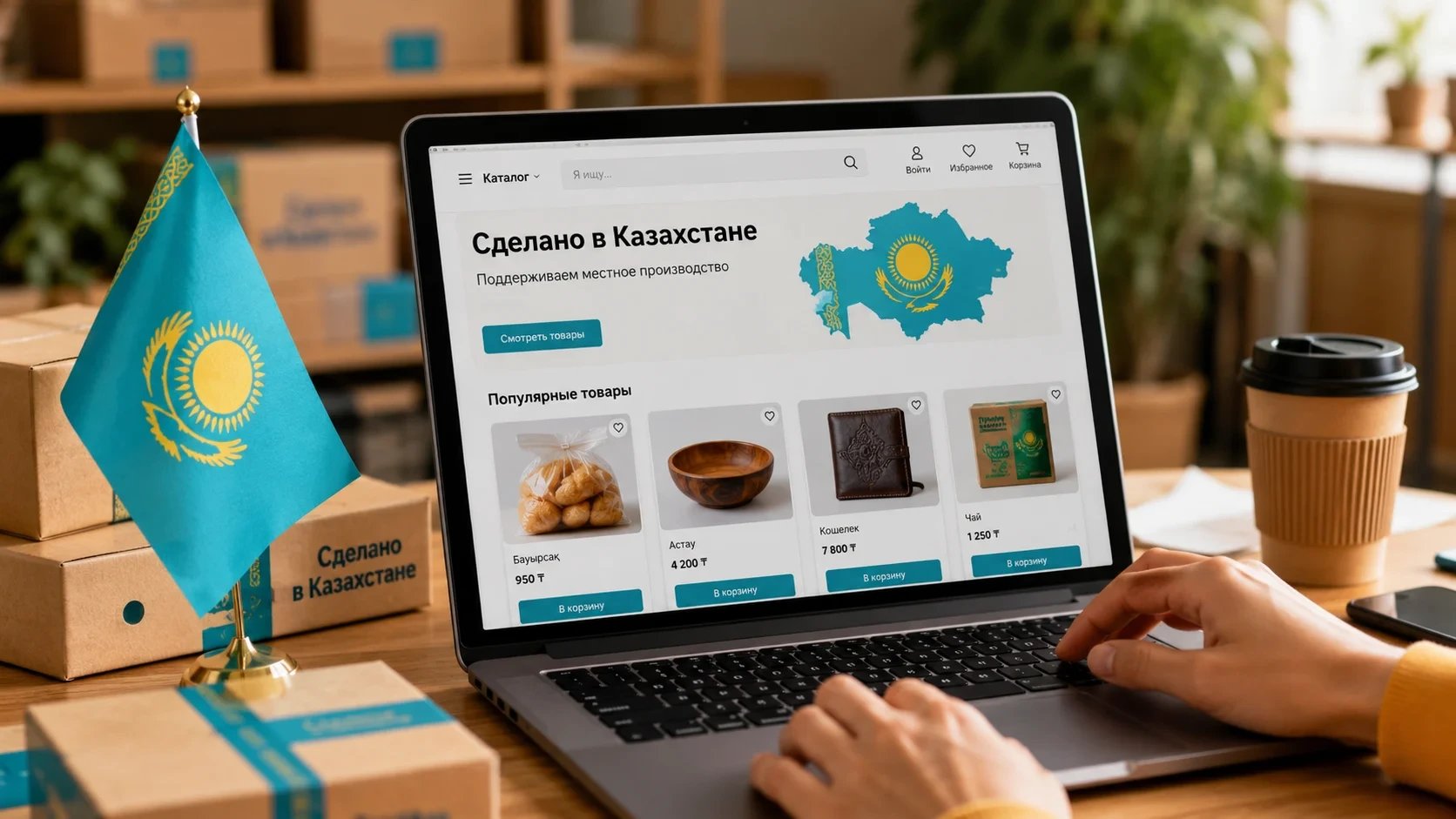
Kazakhstan's retail trade is shifting from physical bazaars and shops to online marketplaces, with e-commerce reaching 14.3% of total retail in 2025. The number of markets fell 6.1% to 588, while online sales surged to 3.77 trillion tenge. Traditional retail is not disappearing, but its infrastructure is being replaced by warehouses, pickup points, and courier services.
Key Facts
- E-commerce accounted for 14.3% of Kazakhstan's total retail trade in 2025, up nearly eightfold in six years.
- Online sales reached 3.77 trillion tenge in 2025, an increase of more than 18 times over the period.
- Kazakhstan had 588 markets at the end of 2025, 6.1% fewer than a year earlier, with trading places down 2.2%.
- Economist Askar Kysykov says new retail infrastructure is now mostly logistics: warehouses, fulfillment, pickup points, dark stores, and delivery.
- Gulshat Sariyeva, head of Cushman & Wakefield Kazakhstan, says marketplaces transformed consumer habits and the retail model, accelerated by the pandemic.
Marketplace Advantages
Marketplaces offer price transparency, convenient logistics, returns, and buyer guarantees, according to construction and real estate expert Dilyara Seitnurova. A buyer on a marketplace sees ten offers for one product and picks the cheapest, while at a bazaar they see one and bargain blindly. Sellers use marketplaces to scale, reaching a wide audience and testing demand without heavy investment in stores, rent, or offline infrastructure. Pickup points, parcel lockers, courier delivery, integration with banking apps, and installment plans have lowered barriers to online purchases.
Infrastructure Shift
Money is not leaving trade but changing direction, says Gulshat Sariyeva: turnover that once passed through shops and markets now flows to warehouses, pickup points, and courier services. Shopping and entertainment centers are still being built, but people increasingly visit them primarily for entertainment, notes economist Askar Kysykov. The pandemic accelerated the shift, as many buyers first began ordering online and then made the digital channel a habitual purchase scenario.
1 source
Kazakhstan retail shifts from bazaars to marketplaces as e-commerce share hits 14.3%