
Kazakhstan mandates local goods priority on marketplaces as Wildberries expands
This digest was compiled by AI from multiple sources — links to the originals are below.
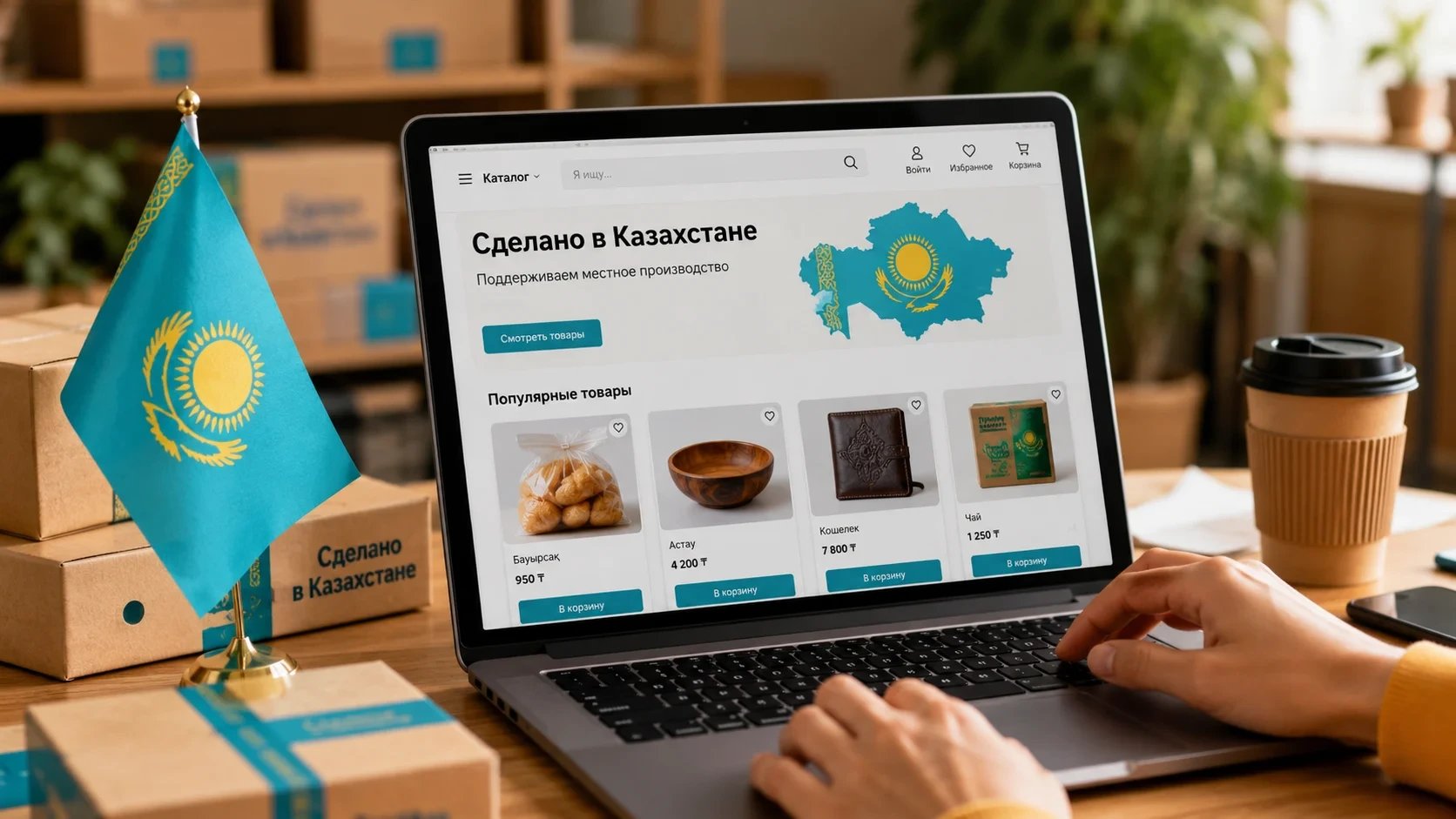
Kazakhstan's Ministry of Trade and Integration approved amendments to internal trade rules on August 14, 2026, requiring e-commerce platforms to prioritize locally made goods in search results. The order also sets a 30% shelf-space formula for offline retail and introduces two-factor authentication for classified ad platforms. The changes come as Wildberries expands its logistics operations in Kazakhstan.
Key Facts
- The Ministry of Trade and Integration approved amendments to internal trade rules by Order No. 235-НҚ dated August 14, 2026.
- Marketplaces must adapt software to give priority to goods marked 'Made in Kazakhstan' in search results, except for personalized feeds.
- Offline retailers must allocate 30% of shelf space to Kazakhstani goods, calculated by the formula A = (B / C) × 100, and place them in the central eye-level zone.
- Classified ad platforms must introduce two-factor authentication via a Kazakhstani phone number, verification through the National Bank's anti-fraud center, and mandatory disclosure of emergency condition for housing sales or rentals.
- The maximum trade markup on socially important food products remains 15%, but with multiple suppliers it is calculated from the lowest purchase price, and retailers may add confirmed transport, delivery, and natural loss costs above the norm.
Search Priority and Shelf Space
The order requires marketplaces to adjust their software so that products labeled 'Made in Kazakhstan' appear with priority in search results, excluding personalized recommendations. For offline retail, the ministry approved an official methodology for calculating the 30% share of Kazakhstani goods using the formula A = (B / C) × 100. Retailers must place these goods in the central display zone at eye level. The changes apply to e-commerce platforms, retail chains, and classified ad services.
Platform Security and Social Goods
Electronic classified ad platforms must implement two-factor authentication using a Kazakhstani phone number and verify users through the National Bank's anti-fraud center. Sellers or landlords must indicate the emergency condition of housing when listing it for sale or rent. The maximum trade markup on socially important food products remains at 15%. When multiple suppliers exist, the 15% is calculated from the lowest purchase price, and retailers may add confirmed transport, delivery, and natural loss expenses above the norm.
Expected Impact
Platforms including Wildberries and Ozon will need to rewrite search algorithms and introduce automatic card validation to prevent importers from falsifying the 'Made in Kazakhstan' category. The combination of marketplace infrastructure localization and algorithmic priority is expected to increase sales and traffic for Kazakhstani producers. Allowing retailers to include real logistics costs above the 15% markup reduces the risk of cheap social goods disappearing from large retail chains.
1 source
Time · lag behind first