China develops hypersonic glide vehicle to launch air-to-air missiles at extreme range
This digest was compiled by AI from multiple sources — links to the originals are below.
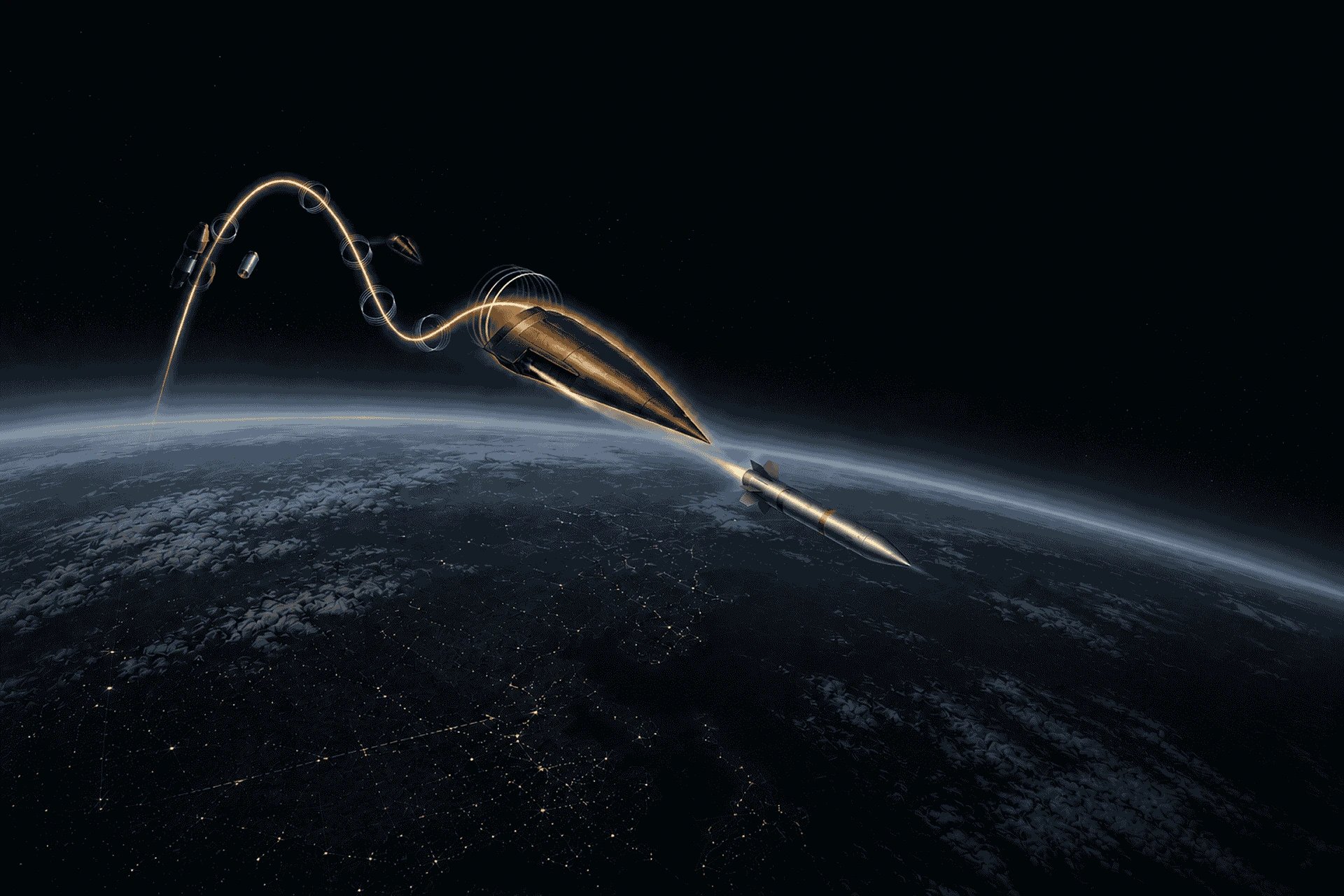
China has developed a hypersonic glide vehicle capable of launching air-to-air missiles at high-value aircraft thousands of kilometers away, Bloomberg reported on August 24, 2026. The capability could threaten U.S. tankers, airborne early-warning aircraft, and command platforms across the Indo-Pacific. It extends Chinese counter-air reach beyond the 1,400-kilometer envelope of the J-16 fighter and PL-17 missile combination.
Key Facts
- Bloomberg reported on August 24, 2026 that China has developed hypersonic glide vehicles capable of launching air-to-air weapons against high-value aircraft thousands of kilometers away.
- The Pentagon assesses the J-16 fighter and PL-17 long-range air-to-air missile combination as providing approximately 1,400 kilometers of operational reach.
- The new capability could threaten U.S. tankers, airborne early-warning aircraft, and command platforms across the Indo-Pacific.
Hypersonic Air-to-Air Concept
China has developed a hypersonic glide vehicle capable of launching air-to-air weapons against high-value aircraft thousands of kilometers away, according to Bloomberg reporting published on August 24, 2026. The concept could extend Chinese counter-air reach well beyond the roughly 1,400-kilometer operational envelope the Pentagon attributes to the J-16 fighter and PL-17 long-range missile combination. By pairing hypersonic reach with long-range sensors and in-flight targeting, China could force U.S. support aircraft farther from contested airspace, reducing fighter endurance and complicating air operations during a regional conflict.
Strategic Implications
If operationally fielded, the capability could threaten U.S. tankers, airborne early-warning aircraft, and command platforms far beyond the traditional fighter battlespace, putting critical support aircraft at risk across the Indo-Pacific. The strategic significance is not simply the weapon’s exceptional reach, but its potential to place tankers, airborne early-warning aircraft, and command-and-control platforms under pressure at distances once considered comparatively secure. The reported development appears consistent with a broader Chinese effort to extend the geographic depth of counter-air operations and place increasing pressure on high-value airborne assets.
2 sources
China develops hypersonic glide vehicle to launch air-to-air missiles at extreme range