
Iran parliamentary committee approves Strait of Hormuz transit fees for foreign ships
This digest was compiled by AI from multiple sources — links to the originals are below.
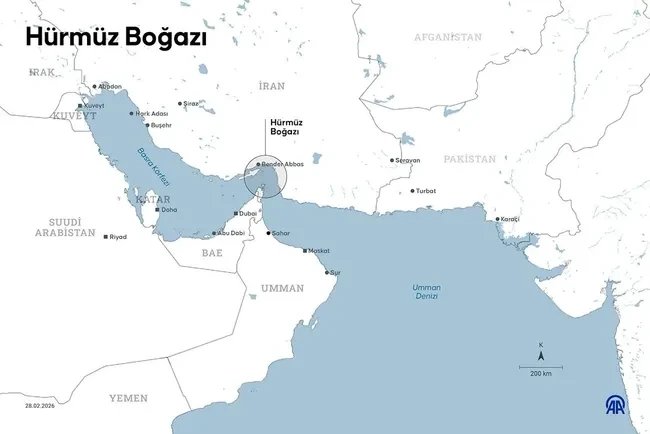
Iran's parliamentary National Security and Foreign Policy Committee approved Article 3 of a strategic action plan to charge foreign vessels for transit through the Strait of Hormuz. The fees cover maritime, environmental, refueling, insurance, and security services, payable in Iranian rial or another currency designated by Tehran. The bill must still pass the full parliament, the Guardian Council, and presidential promulgation before becoming law.
Key Facts
- Iran's parliamentary National Security and Foreign Policy Committee approved Article 3 of the Strategic Action Plan for Ensuring Security and Development of the Strait of Hormuz on 23 August 2026.
- The approved article imposes fees on foreign ships for maritime, environmental, special refueling, insurance, security, and other services provided in the Strait of Hormuz.
- Fees will be collected in Iranian rial or another currency designated by Tehran from vessels of countries permitted to transit the strait.
- The bill must be approved by the full parliament, the Guardian Council, and then promulgated by the president to become law.
- Committee spokesman Hasan Kashkavi cited Oman's 1982 UN Convention on the Law of the Sea declaration as precedent for protecting coastal state sovereignty and security.
Committee Approval
Iran's parliamentary National Security and Foreign Policy Committee approved Article 3 of the Strategic Action Plan for Ensuring Security and Development of the Strait of Hormuz on 23 August 2026. Committee spokesman Hasan Kashkavi told IRNA that the article had been postponed in a previous session but was now accepted. The approved text authorizes fees for maritime, environmental, special refueling, insurance, security, and other services provided in the Strait of Hormuz. Kashkavi said the fees will be collected from vessels of countries permitted to transit the strait, in Iranian rial or another currency designated by Tehran.
Legal Framework
The bill emphasizes respect for the rights of coastal states and prevention of violations of their security and sovereignty within the framework of international law and rules. Kashkavi noted that Oman issued a political declaration immediately after accepting the 1982 UN Convention on the Law of the Sea, stating that the convention's provisions must not violate Oman's national sovereignty and security. In Iran, a bill must first be approved by the relevant parliamentary committee, then voted on by the full parliament, reviewed by the Guardian Council, and finally promulgated by the president. If the Guardian Council objects, the bill returns to parliament; if the dispute persists, the Expediency Discernment Council may intervene.
US Position
US President Trump previously said Iran very much wants to make a deal with the United States, adding, "We are not even sure if we want such a deal. Because right now I consider the Strait of Hormuz to be American territory."
2 sources
Time · lag behind first