Bees and 97,000 native trees restore 577 hectares of Colombian Andean forest
This digest was compiled by AI from multiple sources — links to the originals are below.
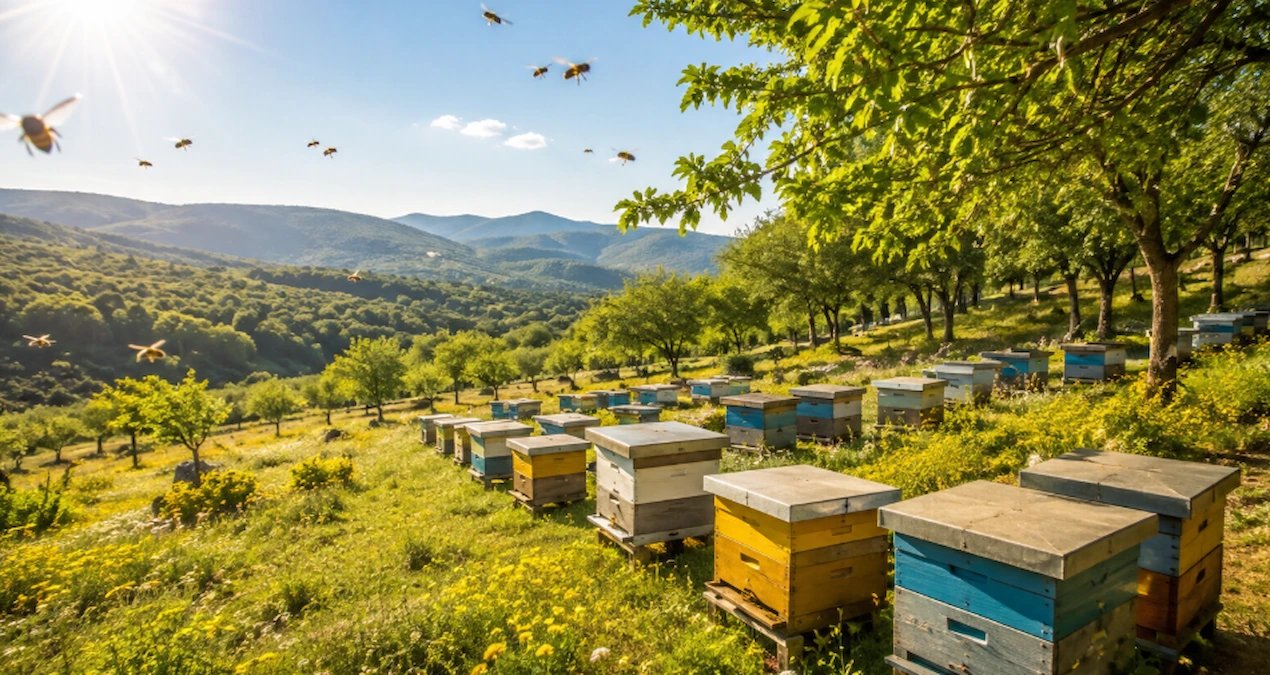
A reforestation project in Colombia's Sesquilé and Guatavita regions has restored more than 577 hectares of high Andean ecosystem, planting over 97,000 native trees and installing 190 beehives. The initiative, which began in 2014, combined tree planting with beekeeping and sustainable farming to regenerate degraded land and protect water sources. Local families were trained in tree care and honey production, creating an additional income stream while supporting pollination.
Key Facts
- The project restored more than 577 hectares of high Andean ecosystem in Colombia's Sesquilé and Guatavita regions.
- Over 97,000 native trees and more than 190 beehives were installed as part of the initiative.
- The project began in 2014, with native tree planting and beehive placement carried out between 2016 and 2019.
- Local families received training in tree care and honey production during 2020–2021.
- Sustainable farming systems, including rainwater-harvesting greenhouses with drip irrigation and organic fertilizer use, were introduced to improve degraded agricultural soils.
Project Origins and Timeline
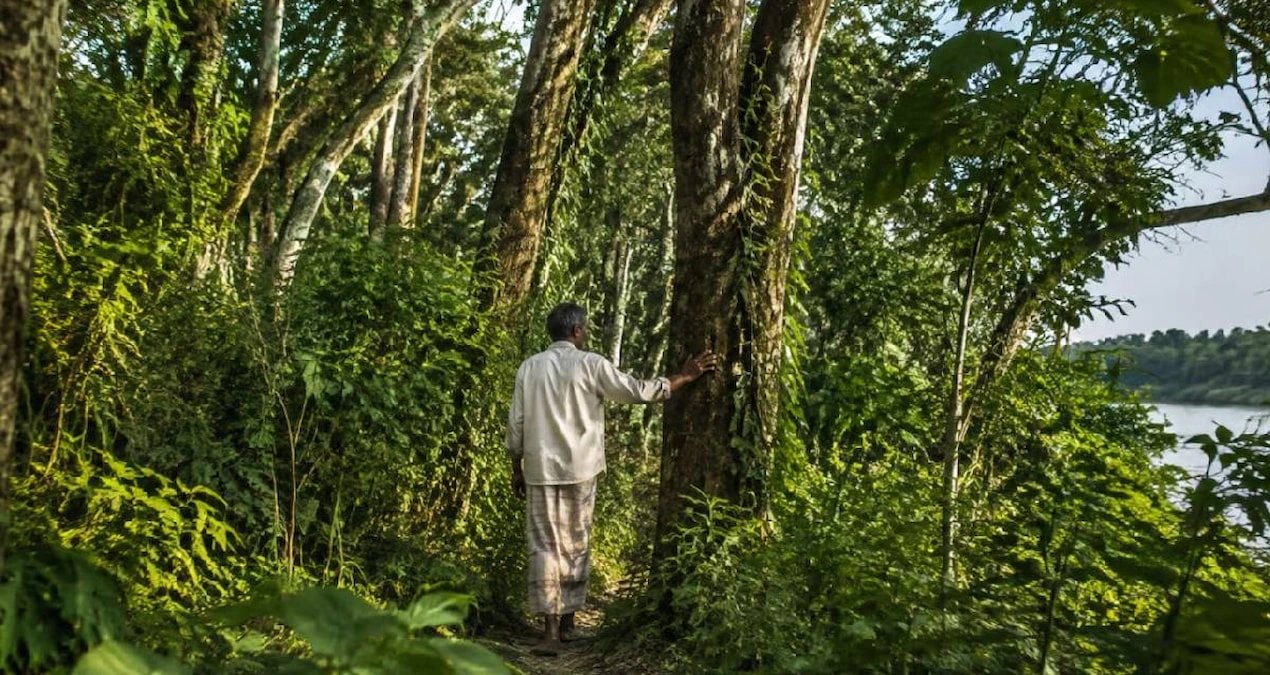
The reforestation project covering Colombia's Sesquilé and Guatavita regions was designed not only to plant trees but also to restore degraded soils and protect water sources while integrating bees into the natural process. Initial work began in 2014, and between 2016 and 2019 native trees were planted and beehives were placed at various locations. From 2020 to 2021, local residents received training in tree maintenance and honey production. By 2026, the project's results had become evident: the planted trees passed their most vulnerable growth stage, and the hives began supporting the forest's natural development through pollination.
Beehives and Pollination
A notable component of the project was the installation of 190 beehives across the area. The bees helped pollinate surrounding plants, while beekeeping provided an additional income source for local families. Thus, the hives contributed both to the forest's regeneration and to local production. The bees' role extended beyond honey production: increased pollination helped surrounding vegetation spread, supporting the forest's re-establishment of its natural cycle.
Sustainable Farming and Results
Alongside reforestation, the project changed farmers' production methods by establishing open-field systems for vegetables, aromatic plants, and fruits, as well as greenhouses that collect rainwater and use drip irrigation. Organic fertilizer use was introduced to improve degraded agricultural soils. Dozens of local families participated, developing ways to sustain production and nature conservation in the same area rather than abandoning agriculture and livestock. Today, more than 577 hectares of high Andean ecosystem have been restored, with over 97,000 trees and more than 190 beehives now part of the region's natural cycle.
1 source
Bees and 97,000 native trees restore 577 hectares of Colombian Andean forest