
Seikan Tunnel links Honshu and Hokkaido at 53.85 km
This digest was compiled by AI from multiple sources — links to the originals are below.
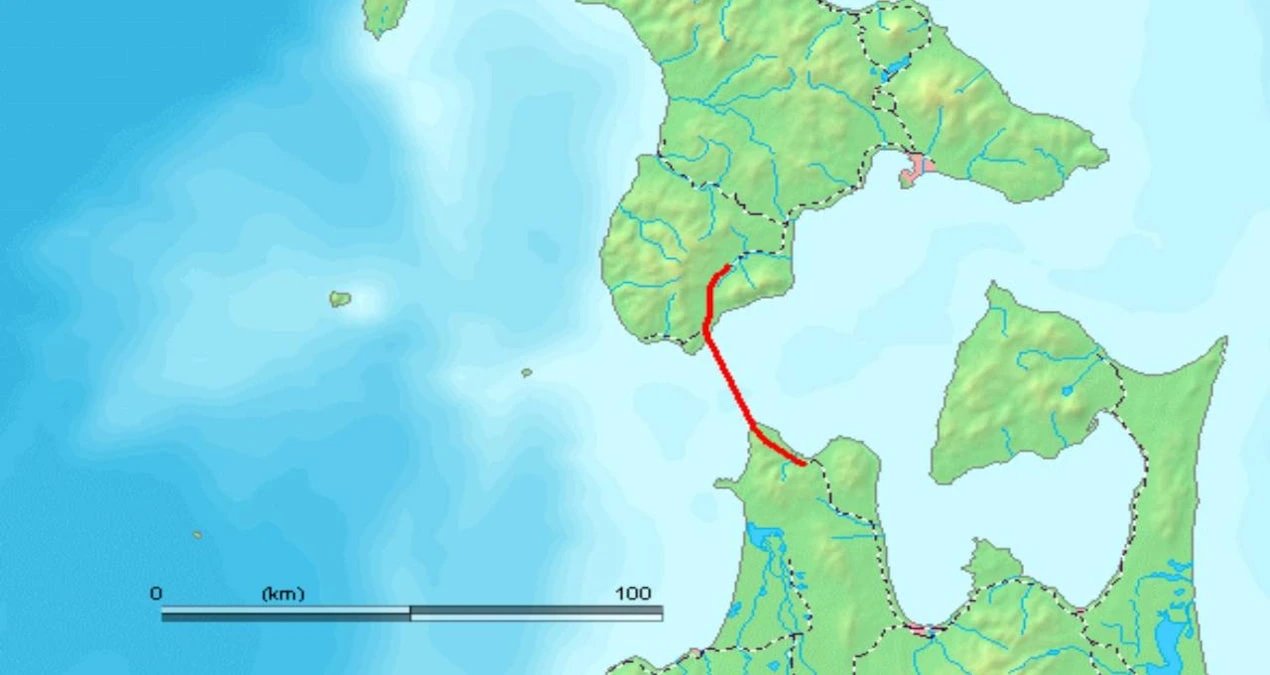
Japan's Seikan Tunnel connects Honshu and Hokkaido with a 53.85 km railway line, including 23.3 km under the Tsugaru Strait. Trains descend to about 240 meters below sea level. The tunnel opened in March 1988 and eliminated the need for ferries.
Key Facts
- The Seikan Tunnel is 53.85 km long, with 23.3 km under the Tsugaru Strait.
- Trains descend to about 240 meters below sea level inside the tunnel.
- Construction began in 1954 after a typhoon sank five passenger ships, including the Tōya Maru, killing 1,430 people.
- The tunnel opened in March 1988 and became the world's longest railway tunnel at that time.
- The tunnel has a double-track structure, allowing both freight trains and Shinkansen high-speed trains to operate.
Engineering and Route
The Seikan Tunnel runs 53.85 km between Honshu and Hokkaido, with 23.3 km passing under the Tsugaru Strait. Trains descend to about 240 meters below sea level, making it one of the deepest railway tunnels in the world. Instead of resting directly on the seabed, the tunnel was excavated through a solid rock layer about 100 meters below the sea floor. The inclined design allows trains to safely descend and ascend through the tunnel.
Construction and Safety Systems
Construction began in 1954 after a typhoon sank five passenger ships, including the Tōya Maru, killing 1,430 people. The tunnel opened in March 1988 and eliminated the need for ferries between the islands. The tunnel is equipped with drainage mechanisms to remove seepage water, strong electrical lines, and technical maintenance areas. Its double-track structure allows both freight trains and Shinkansen high-speed trains to operate without interruption.
1 source
Time · lag behind first