
Tooth count predicts survival after pancreatic cancer surgery, Hiroshima study finds
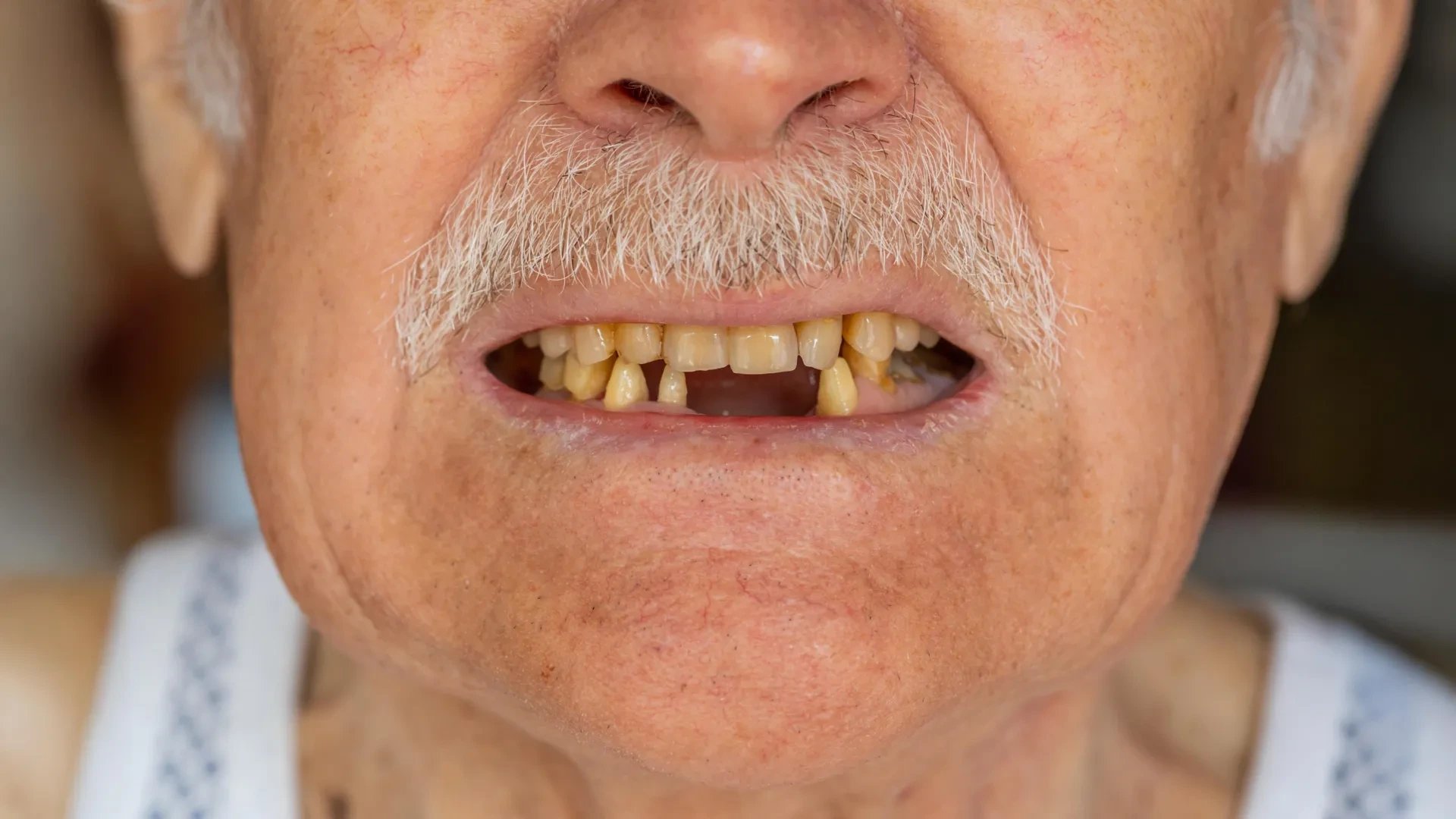
This digest was compiled by AI from multiple sources — links to the originals are below.
Hiroshima University researchers found that pancreatic cancer patients with 21 or more natural teeth survived a median of 60.7 months after surgery, compared with 39.1 months for those with 20 or fewer teeth. The study of 339 patients who underwent radical pancreatectomy between 2014 and 2022 was published in the Journal of Hepato-Biliary-Pancreatic Sciences. The survival difference remained significant after adjusting for tumor stage, lymph node metastasis, surgical margins, chemotherapy, and nutritional status.
Key Facts
- Patients with 21 or more natural teeth had a median overall survival of 60.7 months after pancreatic cancer surgery, versus 39.1 months for those with 20 or fewer teeth.
- The study included 339 consecutive patients who underwent radical pancreatectomy at Hiroshima University Hospital between 2014 and 2022.
- The survival association remained statistically significant after adjusting for tumor stage, lymph node metastasis, surgical margins, chemotherapy, and nutritional status.
- Posterior teeth occlusion, a measure of chewing function, was not independently associated with survival.
- The findings were published in the Journal of Hepato-Biliary-Pancreatic Sciences.
Study Design
Researchers at Hiroshima University analyzed 339 consecutive patients who underwent radical pancreatectomy at the Department of Surgery, Hiroshima University Hospital, between 2014 and 2022. Every patient received a dental examination before surgery, with oral health assessed by the number of natural teeth remaining and the status of occlusion of the premolars and molars. The study was published in the Journal of Hepato-Biliary-Pancreatic Sciences.
Survival Outcomes
Patients with 21 or more natural teeth had a median overall survival of 60.7 months, while those with 20 or fewer teeth had a median survival of 39.1 months. The survival difference remained statistically significant after accounting for tumor stage, lymph node metastasis, surgical margins, chemotherapy, and nutritional status. Kenichiro Uemura, associate professor at Hiroshima University's Graduate School of Biomedical and Health Sciences and corresponding author, noted that patients with more natural teeth survived nearly two years longer than those with fewer teeth. Chewing function, evaluated by posterior teeth occlusion, was not independently associated with survival, suggesting that tooth loss may represent more than oral function alone.
1 source
Time · lag behind first