Norwegian Helsinki Committee warns Kazakhstan's new constitution weakens parliament ahead of vote
This digest was compiled by AI from multiple sources — links to the originals are below.

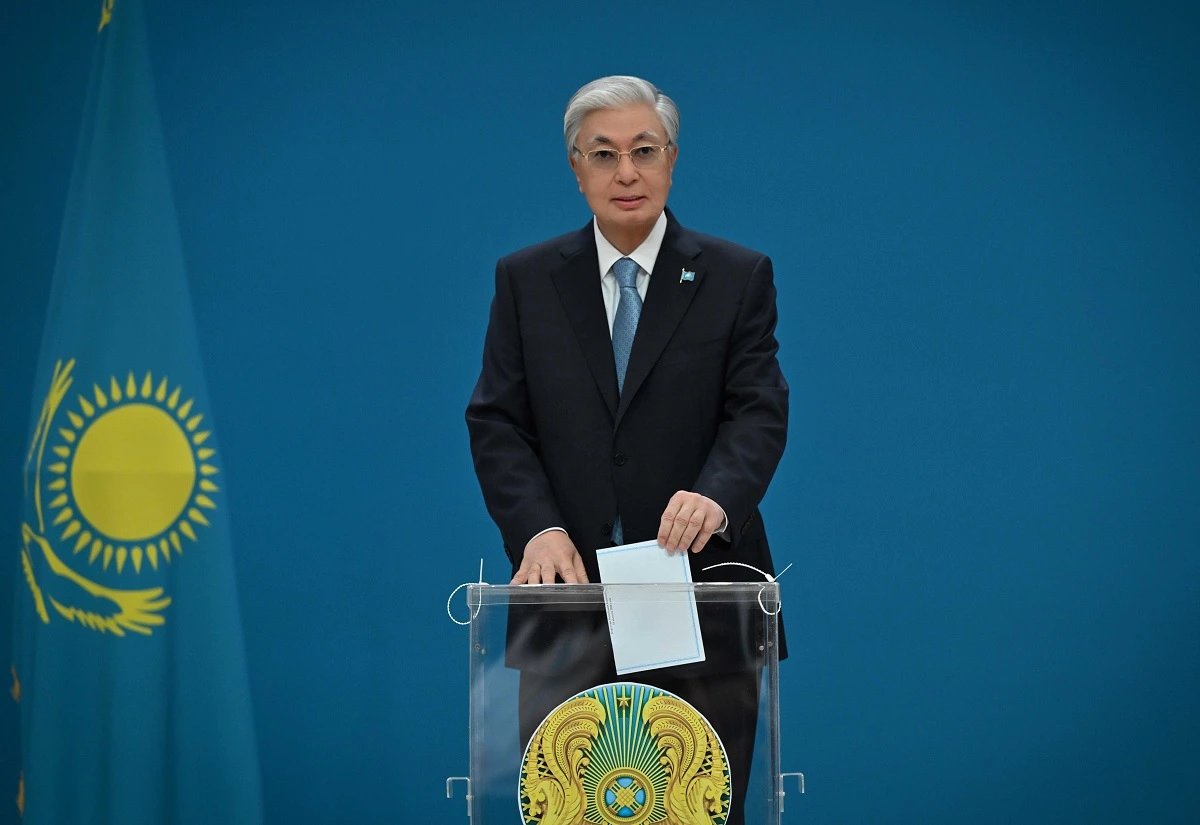
The Norwegian Helsinki Committee expressed concern about democracy and political competition in Kazakhstan ahead of the August 23 parliamentary elections. The organization said the new constitution has strengthened presidential authority and weakened parliament, while civil society's ability to observe the vote remains limited. The committee said it will continue supporting Kazakhstan despite serious concerns about its democratic trajectory.
Key Facts
- Kazakhstan will hold parliamentary elections on August 23, the first since the new constitution entered into force on July 1.
- The OSCE Office for Democratic Institutions and Human Rights has never deemed a presidential or parliamentary election in Kazakhstan fully compliant with OSCE standards.
- Several independent organizations announced they cannot or will not observe the elections after new rules barred organizations receiving foreign funding from election-related activities.
- The Norwegian Helsinki Committee said a democratic Kazakhstan would attract more foreign investment and deepen integration with Europe.
Constitutional Changes
The new constitution entered into force on July 1, 2026, strengthening presidential authority and weakening the role of parliament. The Norwegian Helsinki Committee emphasized that the separation of powers has been affected by the constitutional changes. The August 23 elections will be the first held under the new constitution and the first to the parliament in its new form.
Election Observation Limits
New rules introduced this year bar organizations that receive foreign funding from engaging in any election-related activities. Several independent organizations have announced that they cannot or will not observe the elections as a result of these rules. The Norwegian Helsinki Committee stated that independent civil society finds itself increasingly unable to freely monitor the elections.
OSCE Assessment Record
Following the November 2022 presidential elections, the OSCE ODIHR found that the process lacked genuine competitiveness and political pluralism. After the 2023 parliamentary elections, the organization concluded that significant changes were still needed to secure real political competition and democratic elections. The ODIHR has never deemed a presidential or parliamentary election in Kazakhstan fully compliant with OSCE standards for democratic elections.
1 source
Norwegian Helsinki Committee warns Kazakhstan's new constitution weakens parliament ahead of vote