
Kazakhstan integrates AI as core competency across higher education
This digest was compiled by AI from multiple sources — links to the originals are below.
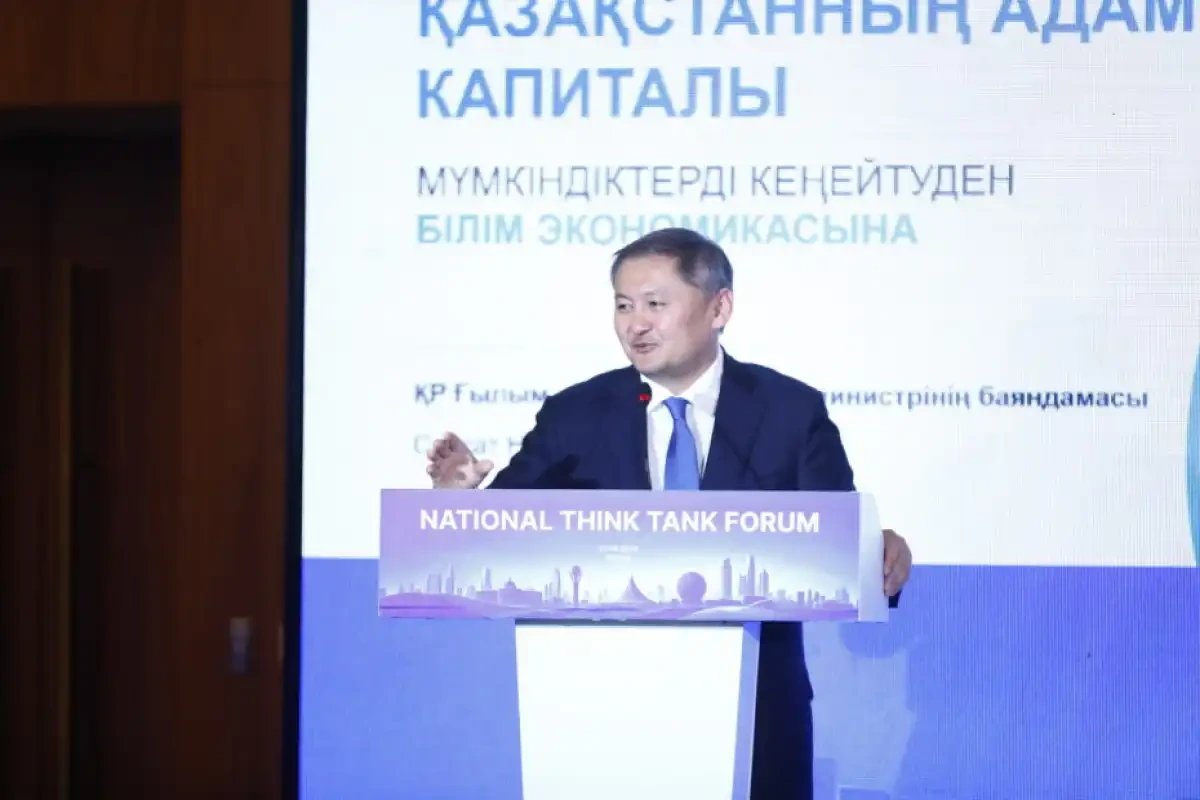
Kazakhstan's Minister of Science and Higher Education Sayasat Nurbek announced at the National Think Tank Forum that artificial intelligence is becoming a core competency for students, teachers, and researchers across all professional fields. More than 706,000 students have completed basic AI training under the AI-Sana program, and 27 anchor universities have been designated to scale the initiative nationwide. The ministry is also integrating over 2,000 AI courses into 95 universities and launching ChatGPT Edu with OpenAI, Freedom Holding Corp., and Kazakhtelecom.
Key Facts
- More than 706,000 students have completed basic AI training under the AI-Sana program.
- 27 anchor universities have been designated across all regions of Kazakhstan to scale the AI-Sana program.
- Over 2,000 AI courses have been integrated into the educational programs of 95 universities.
- ChatGPT Edu is being introduced jointly with OpenAI, Freedom Holding Corp., and Kazakhtelecom to give faculty access to modern AI tools.
- The Kazakh Research University of Artificial Intelligence will begin training students in 2026.
AI-Sana Program Expansion
The AI-Sana program has provided basic AI training to more than 706,000 students. To scale the program, 27 anchor universities have been designated in all regions of the country. More than 2,000 AI courses have been integrated into the curricula of 95 universities. The ministry is working with OpenAI, Freedom Holding Corp., and Kazakhtelecom to introduce ChatGPT Edu for faculty.
New AI University
The Kazakh Research University of Artificial Intelligence will begin training students in 2026. The new university will focus on training specialists and conducting research at the intersection of AI and key economic sectors.
Higher Education Reform
The higher education system is being restructured to meet the demands of the new economy. Content updates have begun for 235 educational programs, and workforce demand maps have been created in all 20 regions. Dual education and industrial internships are being expanded, and an 'industrial PhD' model is being implemented in ten universities together with industrial companies. Internal spending on research and development increased from 121 billion to 173 billion tenge, and the share of commercialized scientific projects reached 31%.
3 sources
Time · lag behind first