Saudi Aramco's return to Hormuz signals risk management, not security restoration
This digest was compiled by AI from multiple sources — links to the originals are below.

Saudi Aramco's resumption of crude loading inside the Strait of Hormuz after a period of disruption reflects risk management rather than restored security, Swedish business-strategy specialist Alex Matrsson said. The move signals that Gulf export infrastructure remains commercially usable under elevated geopolitical pressure.
Key Facts
- Saudi Aramco resumed crude loading inside the Strait of Hormuz after a period of disruption.
- Swedish business-strategy specialist Alex Matrsson said the resumption shows Saudi Aramco judges operational risk manageable, not that the security problem is resolved.
- Saudi Arabia has built a network of infrastructure, logistics, and commercial relationships that gives it room to maneuver when one part of the system is constrained.
- Saudi Aramco has stressed its continued use of the East-West Pipeline to maintain flows across its network.
Risk Management vs Security
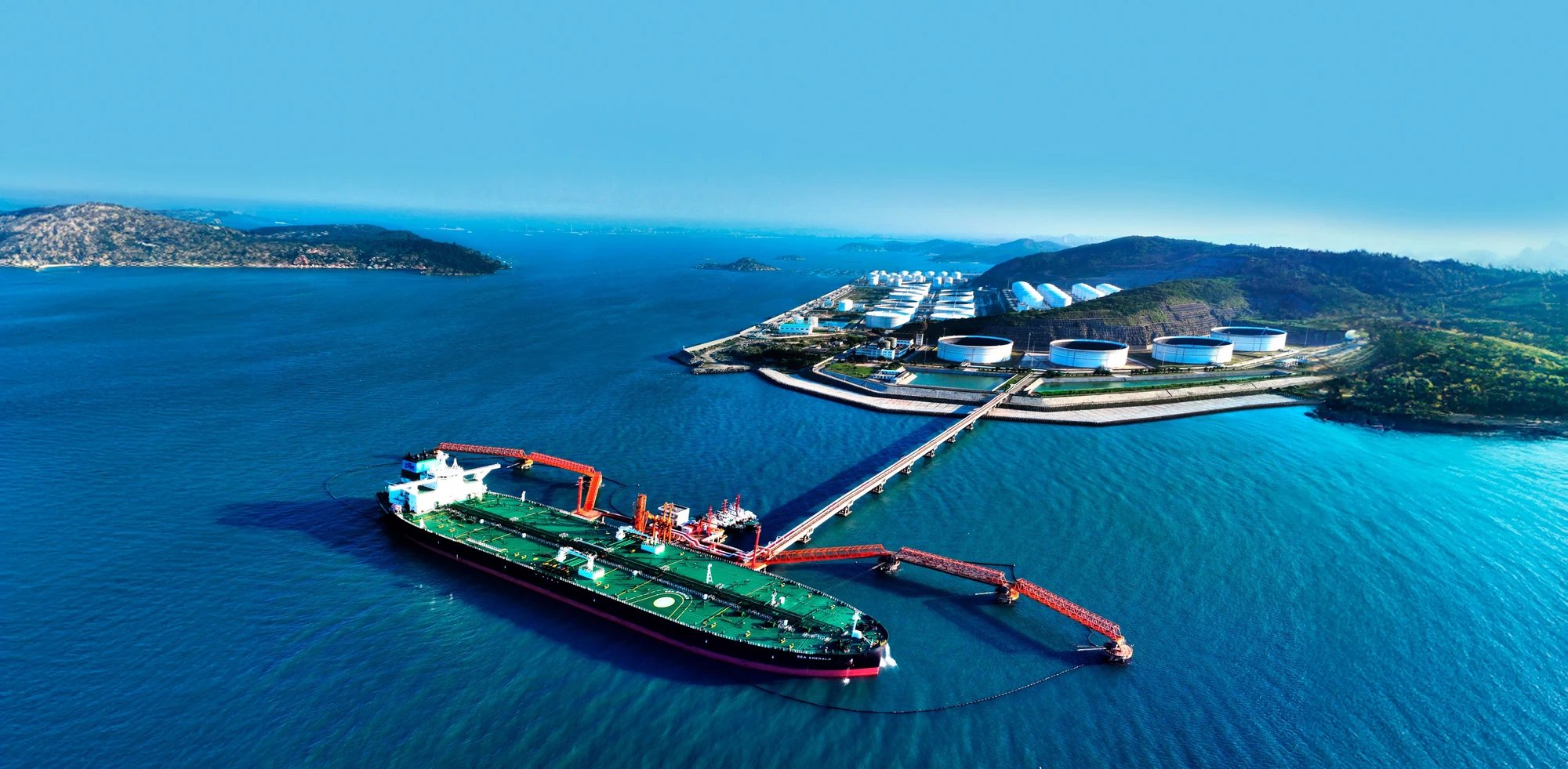
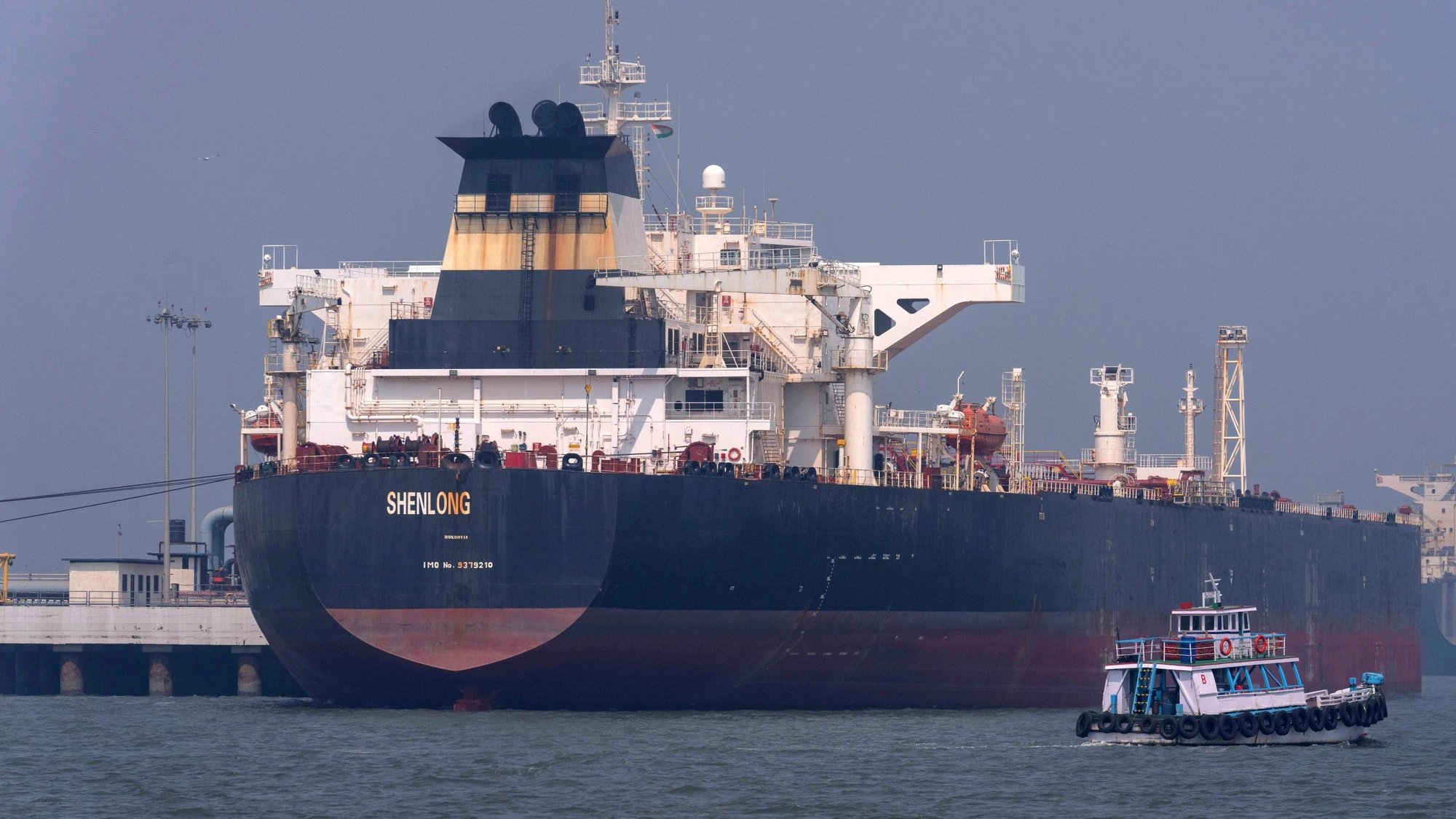
Saudi Aramco resumed crude loading at points inside the Strait of Hormuz after a period of disruption. Alex Matrsson said the word 'confidence' should be used cautiously because the resumption shows Saudi Aramco considers the level of risk manageable enough to restore a commercial function. He said a large energy company does not require perfect security, only a risk environment in which expected commercial benefit exceeds additional security, insurance, logistics, and planning costs. The move therefore demonstrates confidence in the ability to manage operational risks rather than confidence in absolute security. For the market, Aramco is effectively showing that Persian Gulf export infrastructure remains commercially usable under elevated geopolitical pressure.
Saudi Operational Flexibility
Saudi Arabia's advantage is not that its infrastructure lies outside the geography of the Persian Gulf. The kingdom has built a network of infrastructure, logistics, and commercial relationships that gives it room to maneuver when one part of the system is constrained. That flexibility changes the strategic calculation because a disruption at one point does not necessarily lead to a complete halt in supply. Alternative export routes, pipeline links, storage, tanker management, and different loading configurations allow Saudi Arabia to buy time and preserve commercial relationships. Saudi Aramco has also emphasized its continued use of the East-West Pipeline to maintain flows across its network.
1 source
Saudi Aramco's return to Hormuz signals risk management, not security restoration