
Europe's Oil Reserves Absorb Hormuz Disruption, but Winter Gas Buffer Thins
This digest was compiled by AI from multiple sources — links to the originals are below.
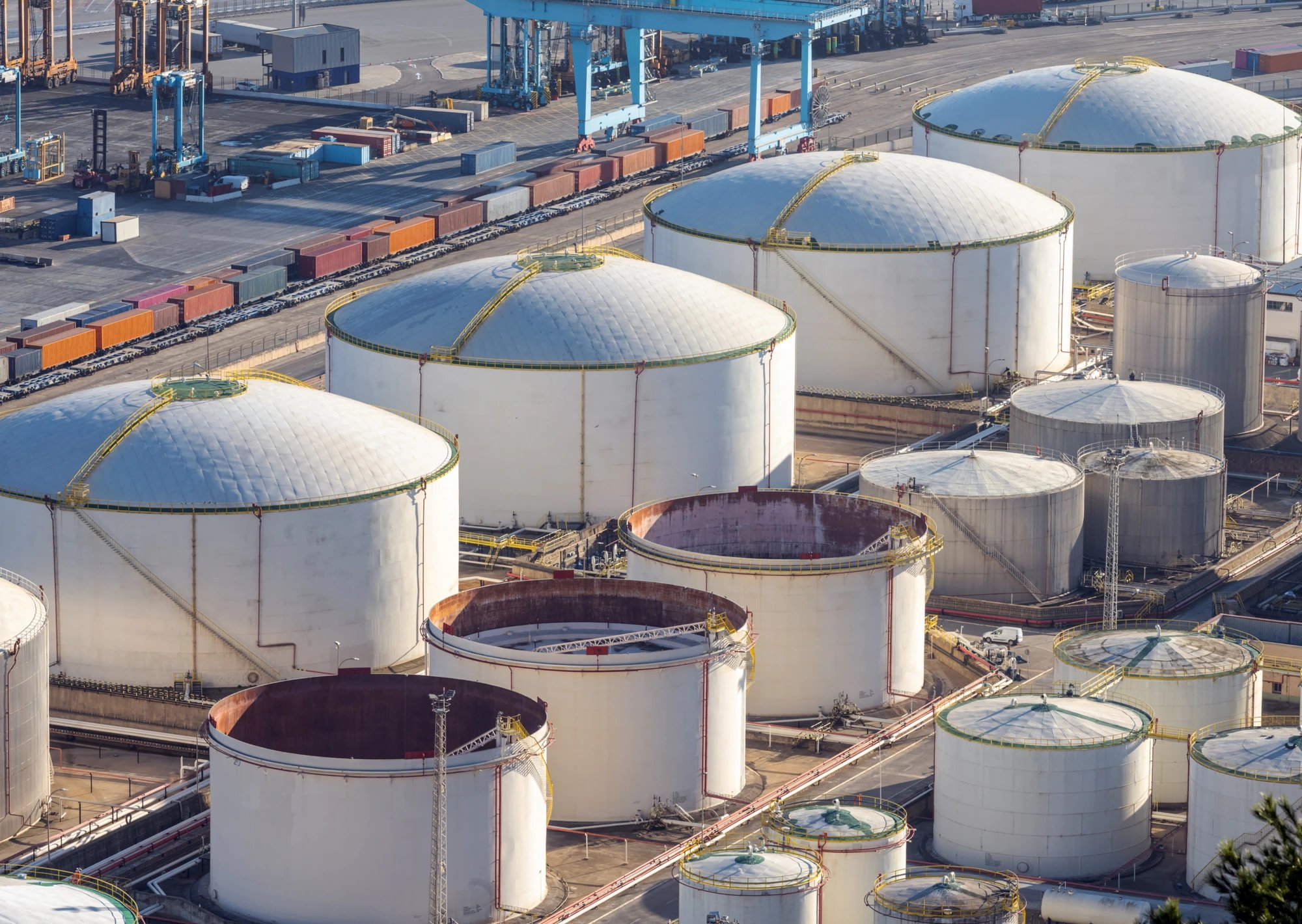
Europe's emergency oil system absorbed the closure of the Strait of Hormuz without shortages, following the IEA's coordinated release of 400 million barrels on March 11. European IEA members contributed about 107.5 million barrels, around 68 percent of it refined products, helping keep jet fuel supplied. Europe now approaches winter with a reduced gas buffer after using part of its oil reserve.
Key Facts
- On March 11, the International Energy Agency's 32 member countries agreed to make 400 million barrels of emergency oil available, the largest coordinated stock release in the organization's history.
- European IEA members contributed around 107.5 million barrels; approximately 68 percent was refined petroleum products and 32 percent was crude oil.
- European governments relied more heavily on temporarily reducing compulsory industry stocks than on releasing oil exclusively from government-controlled reserves.
- EU refineries produce only around 70 percent of the jet fuel consumed in the bloc, with the remaining 30 percent normally imported.
- As of July 24, the European Commission's Oil Coordination Group reported no immediate oil supply problem despite renewed hostilities and the continuing blockade of Hormuz.
Coordinated IEA Release
On March 11, the International Energy Agency's 32 member countries agreed to make 400 million barrels of emergency oil available. The release was the largest coordinated stock release in the organization's history. European IEA members contributed around 107.5 million barrels. Approximately 68 percent of that contribution consisted of refined petroleum products, while 32 percent was crude oil. European governments also relied more heavily on temporarily reducing compulsory industry stocks than on releasing oil exclusively from government-controlled reserves.
Jet Fuel Import Risk
EU refineries produce only around 70 percent of the jet fuel consumed in the bloc, with the remaining 30 percent normally imported, according to the European Commission. Earlier concerns focused on the risk of jet fuel shortages from this import dependency. Emergency stocks, rerouted cargoes, refinery flexibility, commercial inventories, and demand adjustment kept the market supplied. By July 24, the Commission's Oil Coordination Group still reported no immediate oil supply problem, despite renewed hostilities and the continuing blockade of Hormuz. That was evidence that the response worked, not that the threat had been exaggerated.
Reserve Limits and Structure
Strategic reserves absorb the first impact of an energy shock, but they do not make an import-dependent energy system permanently secure. After using part of its oil buffer, Europe is now heading toward winter with a much less comfortable gas position. There is no single European strategic petroleum reserve. EU countries maintain different combinations of government stocks, national stockholding agencies, and inventories held by private companies under legal obligations.
1 source
Time · lag behind first