OAS votes to convene urgent foreign ministers' meeting on Nicaragua
This digest was compiled by AI from multiple sources — links to the originals are below.
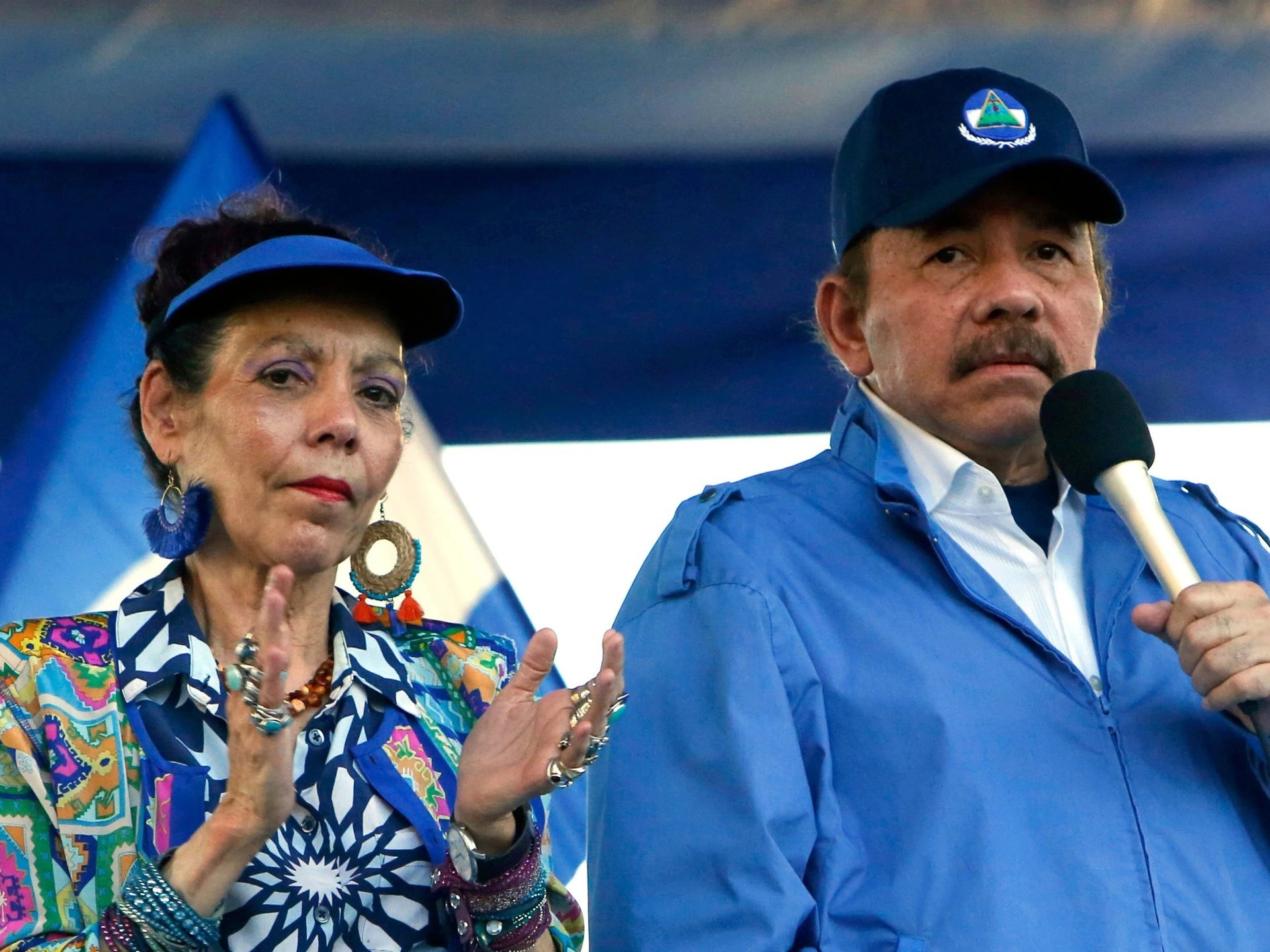
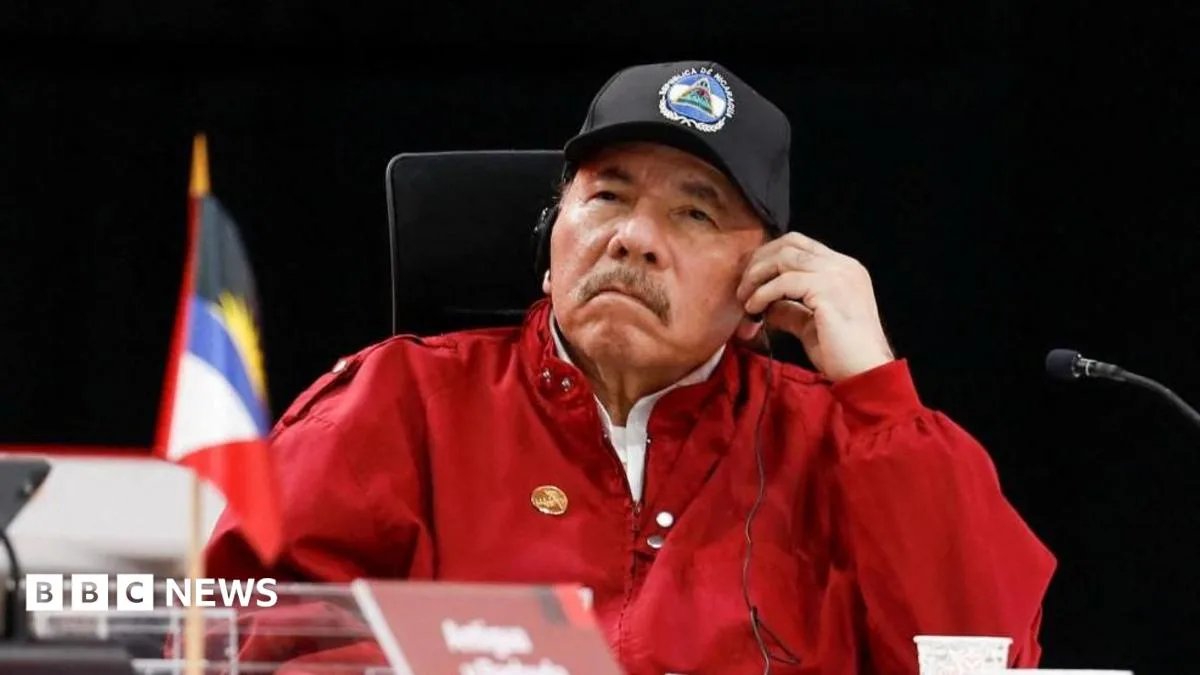
The Organization of American States voted 29-1 on Wednesday to convene an urgent foreign ministers' meeting on Nicaragua, declaring that representative democracy “no longer exists” in the country. The Permanent Council approved a resolution invoking Articles 61, 62 and 63 of the OAS Charter and instructed its president to draft the agenda. Nicaragua’s legislature is due to vote in September on constitutional reforms that would extend Daniel Ortega’s term and bar some rivals from elections.
Key Facts
- The OAS Permanent Council approved the resolution on Wednesday by a vote of 29 to 1, with one abstention and two countries absent.
- The resolution states that representative democracy “no longer exists” in Nicaragua and invokes Articles 61, 62 and 63 of the OAS Charter.
- Nicaragua’s proposed constitutional reforms would extend Daniel Ortega’s presidential term from six to seven years and bar opposition figures deemed “traitors to the homeland” from elections.
- Nicaragua announced its withdrawal from the OAS in 2021 and completed the process in 2023.
- In July, UN human rights chief Volker Turk warned that blocking elections would further erode rule of law in Nicaragua.
The OAS Vote
The OAS Permanent Council held the vote on Wednesday in response to constitutional changes introduced by the co-presidency of Daniel Ortega and Rosario Murillo. The resolution calls the situation “a problem of an urgent nature and of common interest to the American States.” It invokes Articles 61, 62 and 63 of the OAS Charter, provisions often reserved for emergencies requiring a collective response. The council president has been instructed to draft a meeting agenda “as soon as possible.” Nicaragua is no longer an OAS member, having announced withdrawal in 2021 and completed it in 2023.
Constitutional Reforms
In July, Ortega’s government unveiled constitutional reforms that would extend his presidential term from six to seven years. The changes would also allow the electoral council to dissolve any political party that receives funding from abroad. Ortega said that month that no more elections would be held for opposition members “to try to seize the government.” Nicaragua’s legislature is due to vote on the proposed changes in September. Rosario Murillo was elevated from vice president to co-president in 2025.
International Reactions
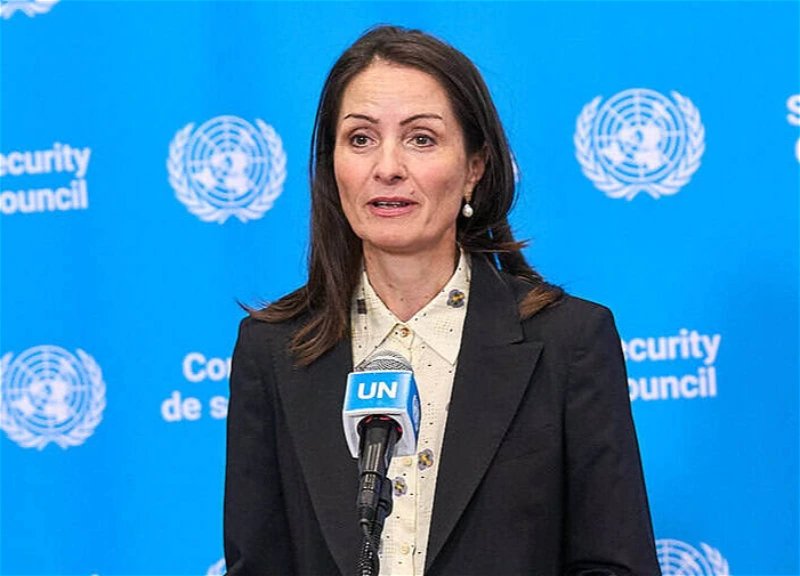
UN human rights chief Volker Turk warned in July that blocking elections would further erode Nicaragua’s rule of law. Turk added that there have been “severe restrictions on fundamental freedoms” under Ortega and Murillo. Critics have observed that crackdowns on dissent intensified after student-led protests in 2018, which the government responded to with deadly force. The OAS has previously criticised the Ortega government for efforts to weaken democratic institutions.
1 source
OAS votes to convene urgent foreign ministers' meeting on Nicaragua