
US sanctions on ICC president Akane Tomoko expose limits of Japan's support
This digest was compiled by AI from multiple sources — links to the originals are below.
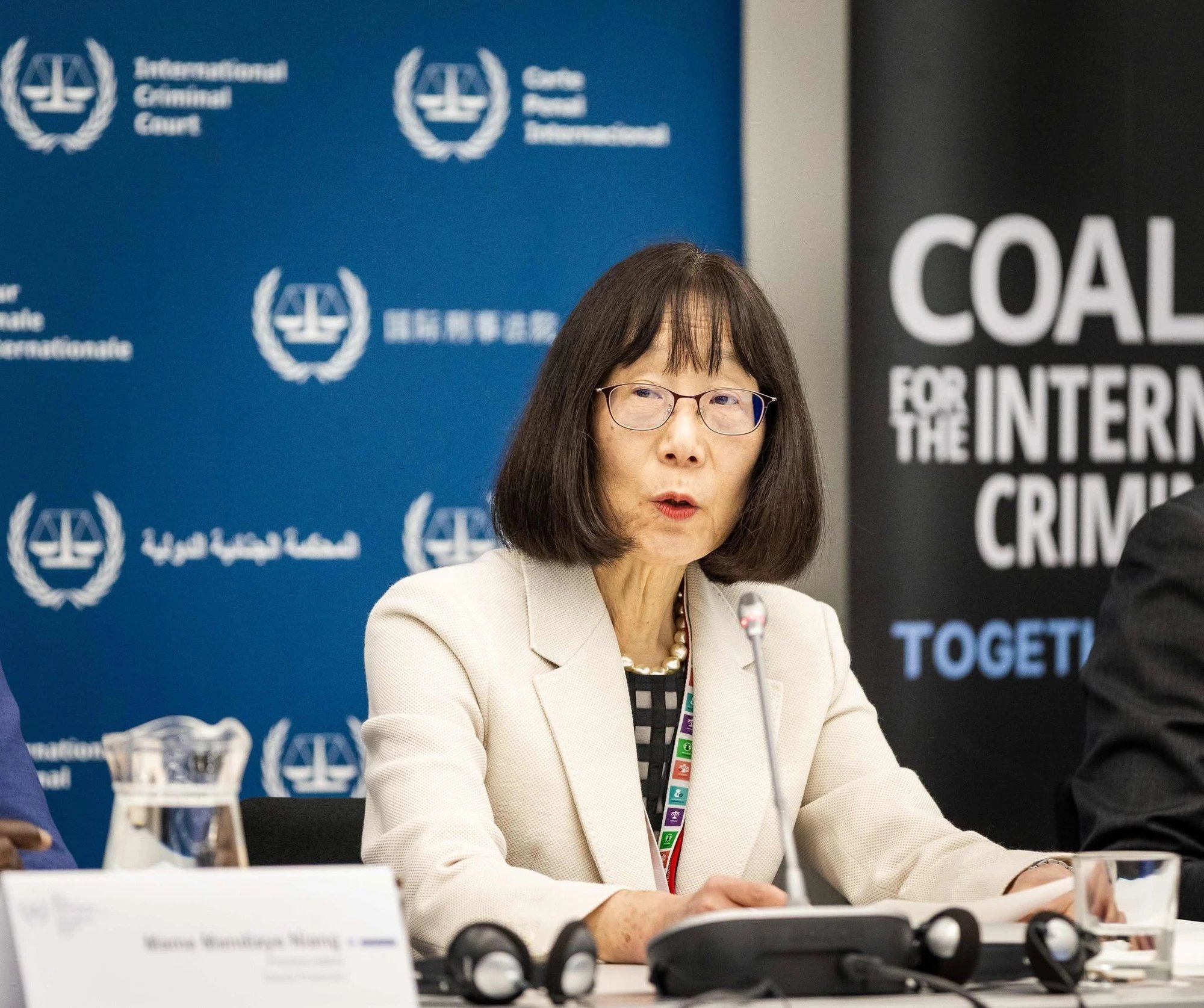
U.S. sanctions against International Criminal Court President Akane Tomoko on August 18 are testing Japan's consistent support for the court and the rule of law. Tokyo called the move "very unfortunate" and Prime Minister Takaichi Sanae said she would keep communicating with Washington, but she did not ask for the sanctions to be withdrawn.
Key Facts
- The United States sanctioned ICC President Akane Tomoko and Senegalese ICC lawyer Abdoulaye Seye on August 18.
- Nine of the ICC's 18 judges, both deputy prosecutors, a former prosecutor, and one staff member are now under U.S. sanctions.
- Foreign Ministry Press Secretary Kitamura Toshihiro called the sanctions "very unfortunate" on August 19 and reaffirmed Japan's support for the ICC.
- Prime Minister Takaichi Sanae said she would keep communicating with the United States and other countries but did not say whether Tokyo would ask Washington to withdraw the sanctions.
- European Commission President Ursula von der Leyen and European Council President António Costa said they "stand firmly" with Akane and ICC officials.
Tokyo's Reaction
Foreign Ministry Press Secretary Kitamura Toshihiro called the sanctions "very unfortunate" on August 19 and reaffirmed Japan's consistent support for the ICC and the rule of law. Prime Minister Takaichi Sanae said the same day that she considered the move "very unfortunate" and would continue communicating with the United States and other relevant countries. She did not say whether Tokyo would ask Washington to withdraw the sanctions. Japan became a state party to the Rome Statute in 2007 and has since been one of the ICC's strongest supporters.
Washington's Sanctions
Washington's sanctions on August 18 targeted Akane Tomoko and Senegalese ICC lawyer Abdoulaye Seye. U.S. Secretary of State Marco Rubio called the court "corrupt and fatally politicized" and denounced what he called "its assault on state sovereignty." The ICC rejected the sanctions as "a flagrant attack" on the independence of an impartial judicial institution and said nine of its 18 judges, both deputy prosecutors, a former prosecutor, and one staff member are under U.S. sanctions. The court warned that threats against judicial officials for applying the law put "the international legal order itself" at risk.
International and Domestic Pressure
European Commission President Ursula von der Leyen and European Council President António Costa said they "stand firmly" with Akane and officials carrying out the ICC's mission. The Netherlands, which hosts the ICC, rejected the sanctions and reaffirmed its support for the court and its president. Akane had told Japanese media that she views the rule of law as "a flickering candle." Pressure on Tokyo to go further is also building at home.
1 source
Time · lag behind first