
Takaichi Leaves Non-Nuclear Principles Wording Open Amid US Umbrella Doubts
This digest was compiled by AI from multiple sources — links to the originals are below.
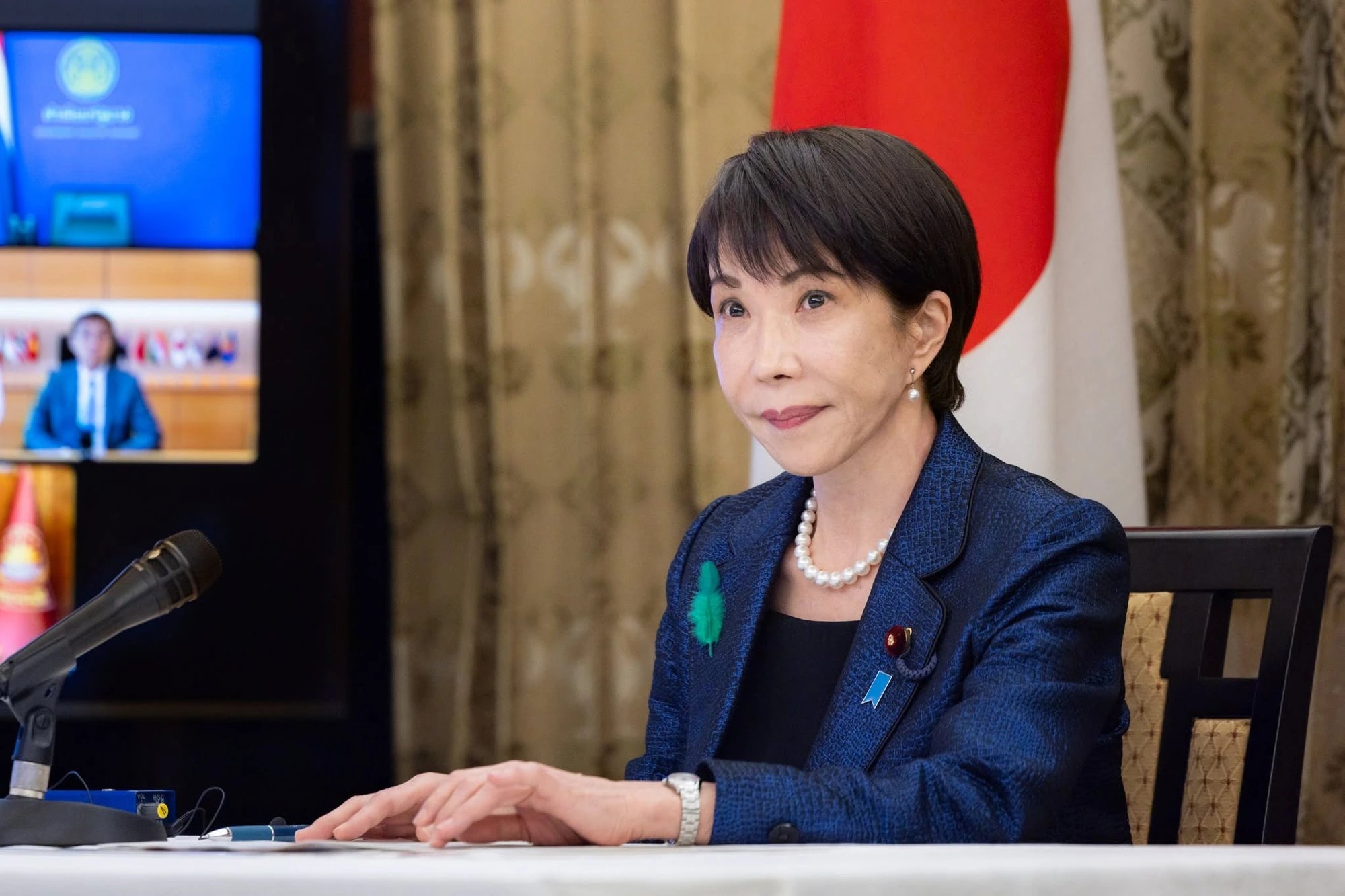
Prime Minister Takaichi Sanae reaffirmed Japan’s Three Non-Nuclear Principles at the August 6 Hiroshima and August 9 Nagasaki commemorations but declined to commit to explicitly naming them in three strategic documents due by year-end. Her ambiguity surfaced as China, North Korea, and Russia expand nuclear capabilities and Jennifer Lind and Daryl G. Press published new doubts in Foreign Affairs about U.S. extended deterrence.
The Three Non-Nuclear Principles
Prime Minister Takaichi Sanae reaffirmed that Japan “maintains” its Three Non-Nuclear Principles at the August 6 Hiroshima and August 9 Nagasaki ceremonies. She declined, however, to say whether the principles would be explicitly affirmed in three strategic documents her government plans to revise by the end of 2026. The principles — not possessing, not producing, and not permitting the introduction of nuclear weapons into Japanese territory — trace back to former Prime Minister Sato Eisaku’s 1967 declaration. Nagasaki Mayor Suzuki Shiro called nuclear weapons an “absolute evil” and urged the government to uphold them.
The Regional Nuclear Environment
China is rapidly expanding and modernizing its nuclear forces; North Korea continues to develop nuclear weapons and increasingly sophisticated missiles. Russia remains one of the world’s two largest nuclear powers and is deepening military cooperation with both Beijing and Pyongyang. Japan’s strategic backdrop has shifted considerably from the era when the Three Non-Nuclear Principles were adopted.
US Extended Deterrence Credibility
Jennifer Lind and Daryl G. Press argued in Foreign Affairs this summer that the traditional U.S. nuclear umbrella is under increasing strain as adversaries acquire more credible means of striking the U.S. homeland. Their argument revives the long-standing concern about decoupling — whether Washington would risk nuclear retaliation against the United States to defend an ally such as Japan or South Korea. Inside Japan, the reluctance to discuss nuclear deterrence openly is gradually eroding.
2 sources
Time · lag behind first