
South Korean container ship PanStar Acro to test Arctic route to Europe from Busan Aug 22
This digest was compiled by AI from multiple sources — links to the originals are below.
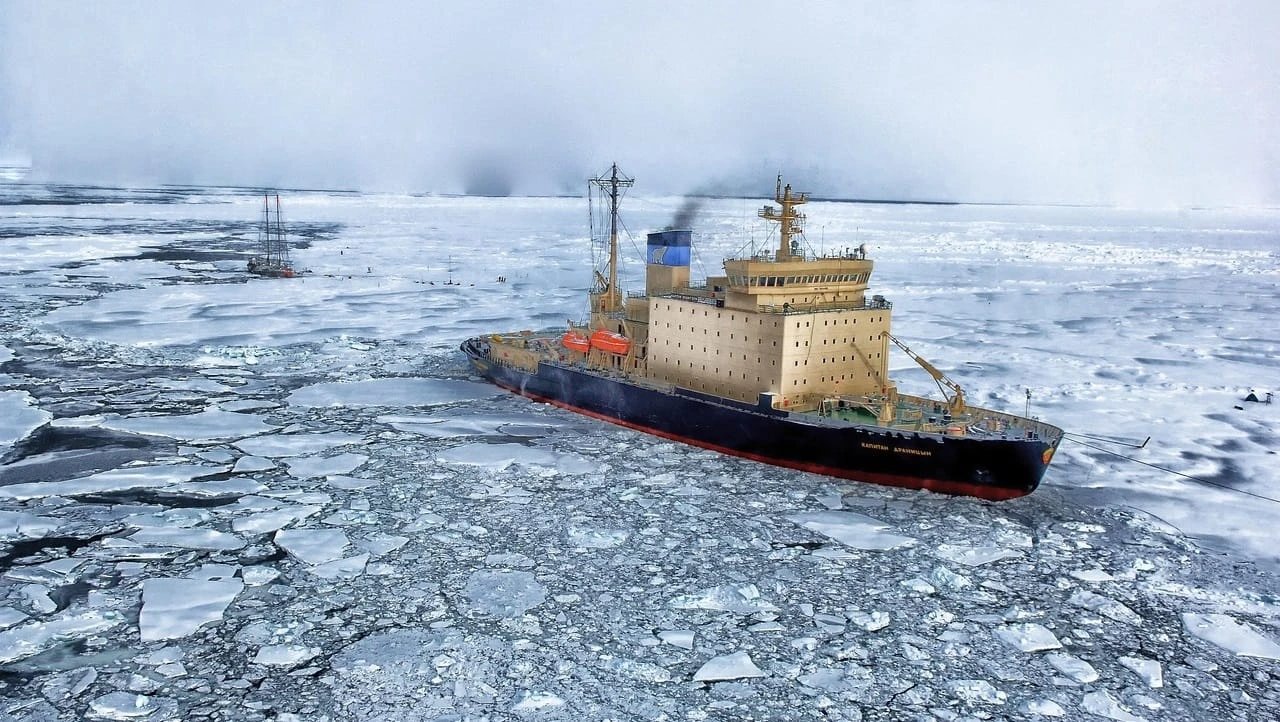
South Korea's PanStar Acro container ship will depart Busan on Saturday, Aug. 22, on a test voyage to Europe via the Arctic Ocean to assess commercial viability. The trip, expected to take 40 to 45 days, will include calls at Felixstowe, Rotterdam, and Gdansk and would be South Korea's first commercial Arctic container voyage if successful. The test proceeds while Western diplomats object because Seoul has had to consult Russia and obtain permits for the route.
Key Facts
- PanStar Acro will depart Busan on Aug. 22 and call at Felixstowe, Rotterdam, and Gdansk on a voyage expected to take 40 to 45 days.
- South Korea's Oceans Ministry estimates the Arctic route is up to 35% shorter than the Suez Canal route and requires less fuel.
- Western diplomats said the plan required Seoul to obtain Russian permits, and one European diplomat said, “We want to isolate Russia, we don't want engagement with Russia.”
- The Centre for High North Logistics recorded 88 vessels making 103 transits through the Northern Sea Route last year, up from 97 in 2024 and 43 in 2022.
- President Lee Jae Myung has made Arctic shipping a priority, aiming to turn Busan into a global maritime hub and make the Arctic a regular trade route by 2030.
Voyage Plan
The PanStar Acro is scheduled to sail north from Busan on Aug. 22 and call at Felixstowe, Rotterdam, and Gdansk before returning. Operator PanStar said the round trip is expected to take 40 to 45 days. A company official said Arctic sea ice is at its lowest annual level around September, making safer navigation possible. If successful, this would be South Korea's first commercial container voyage to Europe via the Arctic.
Western Objections
Western diplomats said the plan required Seoul to consult Russia and seek permits, a step they oppose amid Russia's war in Ukraine. One European diplomat said, “We want to isolate Russia, we don't want engagement with Russia,” and added that the concern had been voiced to South Korean officials. The objections center on a 40- to 45-day voyage in which the ship risks needing Russian assistance if it becomes stuck in ice, Arctic shipping experts said. South Korea's Oceans Ministry and Russia's Foreign Ministry did not respond to requests for comment.
Arctic Route Economics
South Korea's Oceans Ministry estimates the Arctic route is up to 35% shorter than the Suez Canal route and requires less fuel. The Centre for High North Logistics recorded 88 vessels making 103 transits through the Northern Sea Route last year, up from 97 in 2024 and 43 in 2022. China and Russia account for most of that traffic; a successful PanStar voyage would put South Korea among the few countries testing cargo services on the route. Hyewon Choi, a former naval officer, wrote in Ocean Policy Research last year that unit transport costs are increased by vessel size limits and insurance costs.
1 source
Time · lag behind first