
China starts weekly Arctic container shipping service as Red Sea threats persist
This digest was compiled by AI from multiple sources — links to the originals are below.
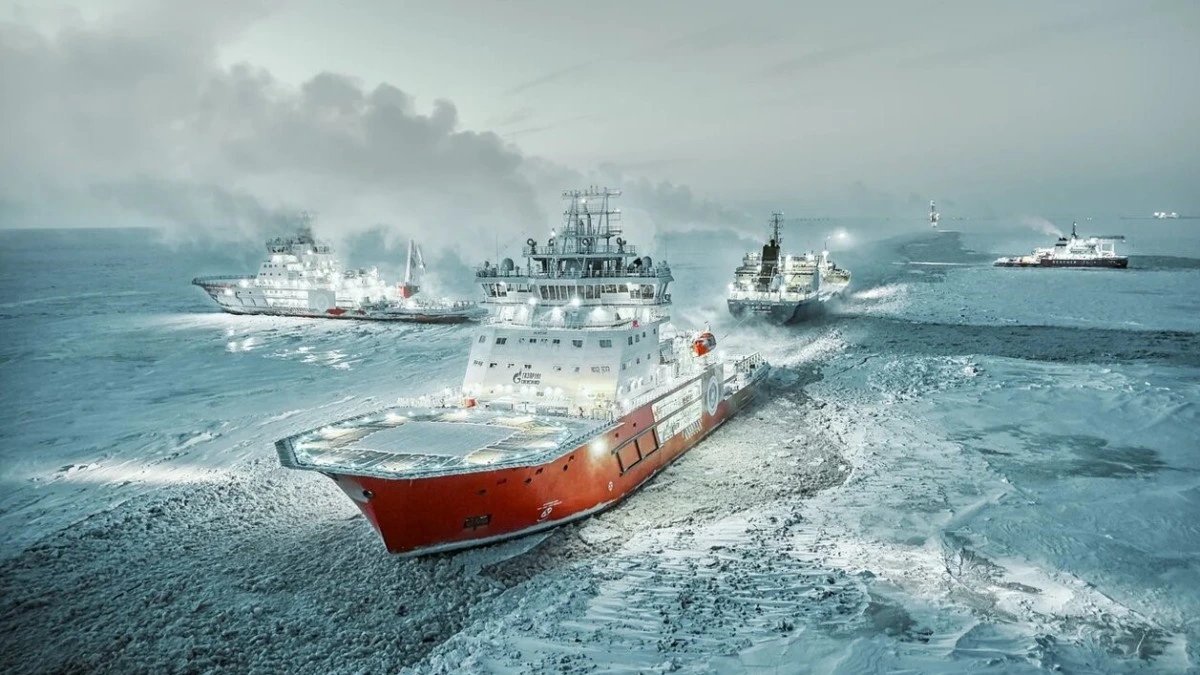
The Middle East conflict and Houthi threats in the Red Sea are driving China to adopt the Arctic Northern Sea Route for container shipping, with Chinese firm Sea Legend this week launching the first regular weekly service between Ningbo and Felixstowe. The so-called “Ice Silk Road” slashes voyage time by about half, but Western shippers continue to avoid the route due to concerns over the environment and ties with Russia.
The Arctic Alternative
Sea Legend’s new container service, branded the “Ice Silk Road,” will ply the Northern Sea Route, reducing journey time from Ningbo to Felixstowe by around 50%. Summer ice melt now allows container ships to transit Arctic waters without ice-breaker escorts, making the route economically viable. China’s strong diplomatic relationship with Russia provides an additional advantage, as Moscow oversees navigation permits along the Northern Sea Route.
Western Reluctance
Major Western shipping lines, including Maersk, Hapag Lloyd, and MSC, have ruled out regular Arctic container services. Maersk conducted a single Arctic trial voyage in 2018 but has not pursued the route. Last September, MSC reiterated its ban, citing “underdeveloped” infrastructure and potential harm to the fragile Arctic ecosystem. Nearly a year later, none of the major Western shippers have reversed their stance, despite the ongoing disruption at the Strait of Hormuz and Bab el-Mandeb Strait.
1 source
Time · lag behind first