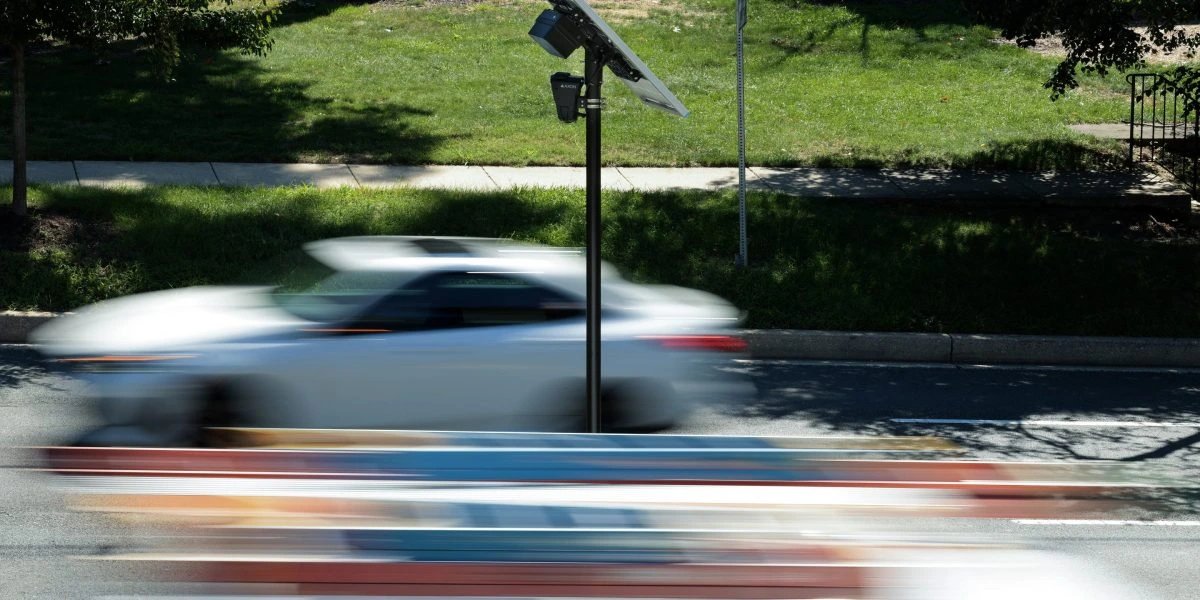
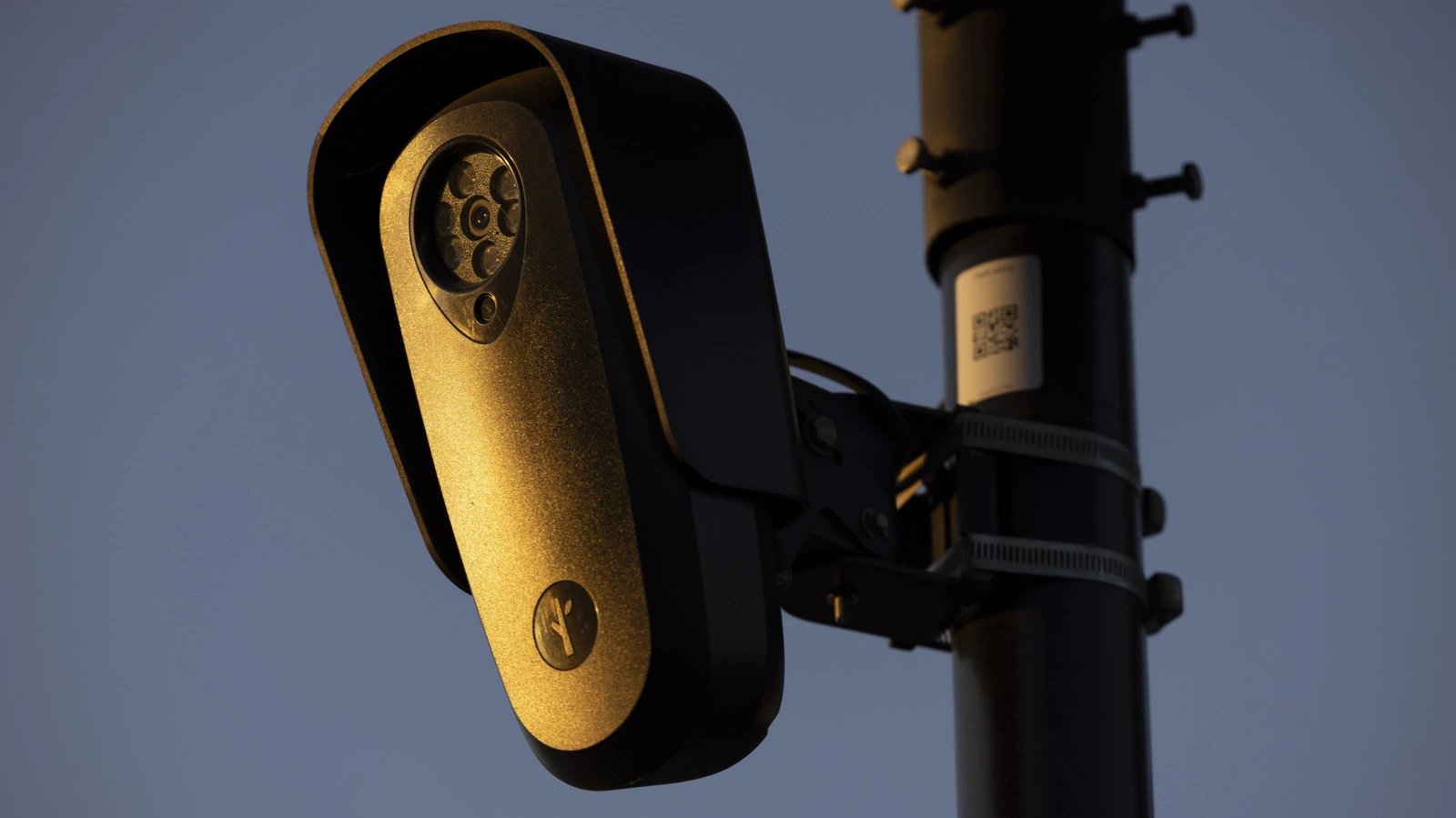
Flock's license-plate reader safeguards leave loopholes for misuse
This digest was compiled by AI from multiple sources — links to the originals are below.
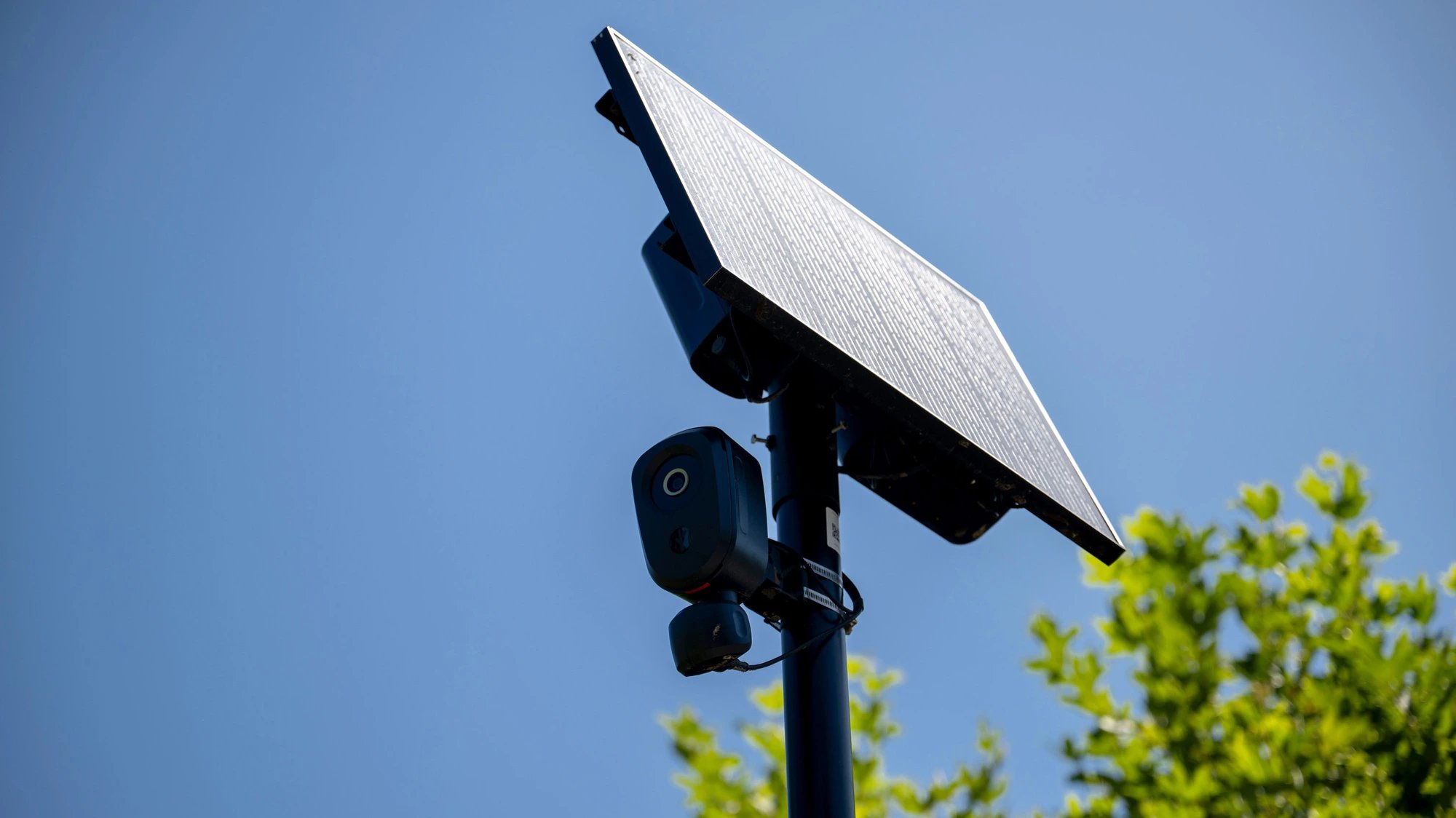
Flock has added safeguards requiring officers to enter case numbers before searches, but confirmed to MIT Technology Review that it does not verify those numbers. The Washington Post documented 50 cases of officer misuse of Flock and competitor systems, often to stalk and harass women.
Key Facts
- Flock operates a network of about 120,000 automatic license plate readers across the US.
- Flock announced the changes last Thursday to prevent officers from using the platform for illegal or illegitimate purposes, including stalking.
- One woman in Wisconsin alleged her officer ex-boyfriend searched for her car 179 times.
- Another woman was stalked by the chief of police, with nobody to report him to.
- Some cities have canceled Flock contracts, and some states are trying to pass laws to limit or ban license plate readers.
Safeguard Loopholes
Flock introduced new safeguards last Thursday aimed at preventing officers from using its platform for illegal or illegitimate purposes, including stalking. The new rules require officers to enter a criminal case number before running a search. Flock confirmed to MIT Technology Review that it does not verify those case numbers, so an officer can enter a bogus one. Officers have previously lied to get around other Flock safeguards.
Documented Misuse
The Washington Post identified 50 cases in which officers misused systems from Flock and its competitors. Many cases involved stalking and harassing women. One Wisconsin woman alleged her officer ex-boyfriend searched for her car 179 times. Another woman was stalked by the chief of police, with nobody to report him to.
Civil Liberties Backlash
Civil liberties and privacy groups argue Flock is turning a crime-stopping tool into a mass surveillance network. Some cities have canceled Flock contracts. Some states are trying to pass laws to limit or ban license plate readers entirely. Flock's network works the way it does because of decisions about what information to collect, who can search it, how long to keep it, and how widely to share it.
1 source
Flock's license-plate reader safeguards leave loopholes for misuse