
FTC proposes disclosure rule for personalized pricing
This digest was compiled by AI from multiple sources — links to the originals are below.
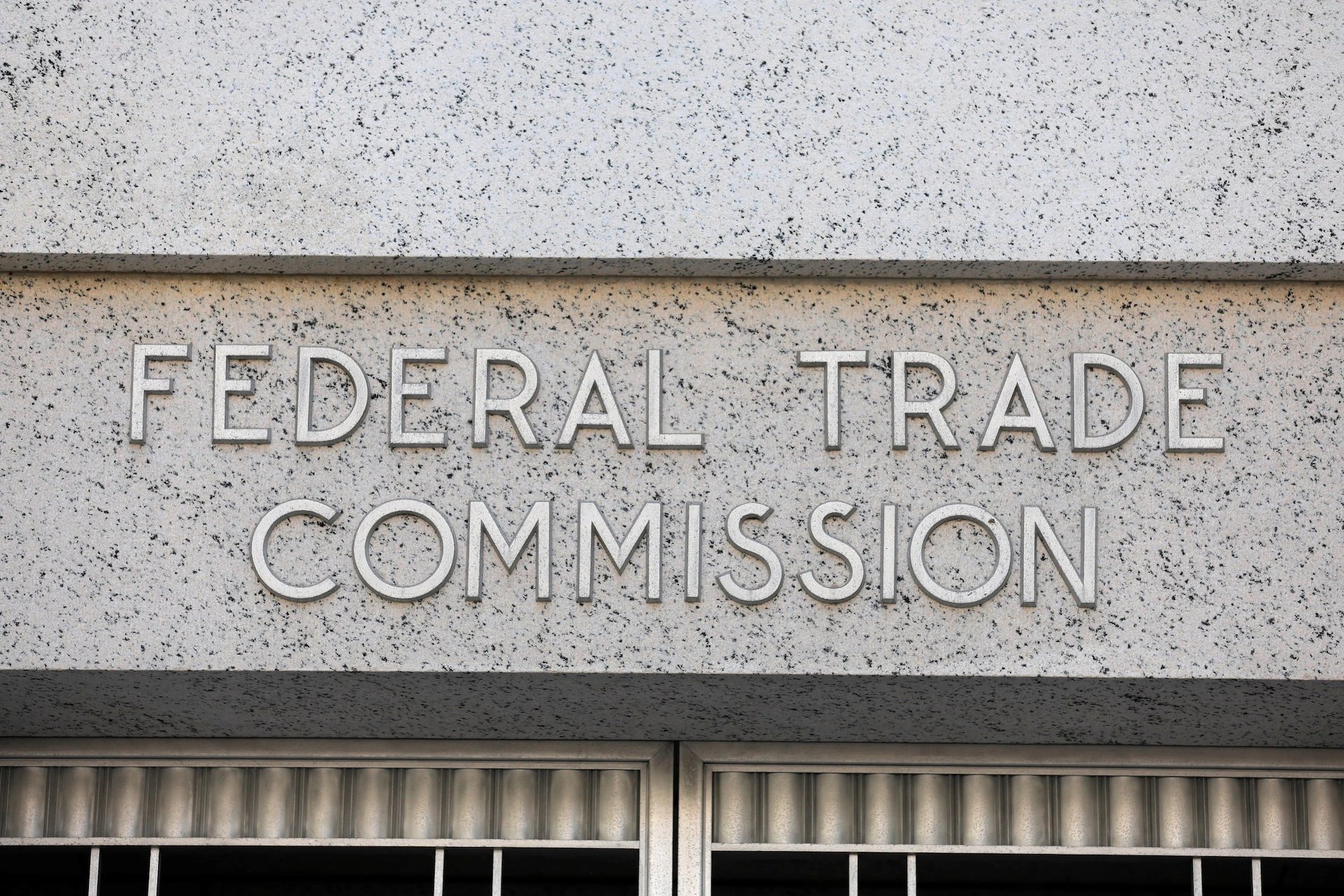
The U.S. Federal Trade Commission voted 2-0 on Wednesday to release a draft enforcement policy stating that undisclosed personalized pricing likely violates U.S. law. The policy would require businesses to disclose when they use consumer data to set individualized prices. The proposal is open for public comment for 30 days.
Key Facts
- The FTC voted 2-0 to release a draft enforcement policy statement on personalized pricing.
- The proposed policy would say that undisclosed use of personal data to set prices likely violates the law barring deceptive practices.
- The draft policy will be open for public comment for 30 days.
- California Attorney General Rob Bonta announced a broad probe into personalized pricing in January.
- Instacart ended price tests in December after a study showed some shoppers saw prices up to 23% higher than others for the same items.
The FTC Proposal
The Federal Trade Commission voted 2-0 on Wednesday to release a draft enforcement policy statement on surveillance pricing. The policy would state that undisclosed use of personal data to set individualized prices likely violates the law barring deceptive practices. FTC Chairman Andrew Ferguson said consumers expect a listed price to be the same for everyone, not an estimate of their willingness to pay based on personal data. The agency cited potential red flags such as delivery companies charging higher prices for milk based on household data showing multiple children, or hotels charging more based on data showing consumers were traveling for a funeral. The proposed enforcement policy will be open for public comment for 30 days.
State and Federal Scrutiny
California Attorney General Rob Bonta announced a broad probe into the practice of using personal data to set individualized prices in January. Republican and Democratic lawmakers in the U.S. Congress have also raised concerns about surveillance pricing. Grace Gedye, senior policy analyst at Consumer Reports, praised the FTC action, saying nobody should have to pay more for groceries because a company knows their search history, income, household makeup, or location. Lee Hepner, senior legal counsel at the American Economic Liberties Project, called on the FTC to take further action.
Industry Practice and Retreat
In December, Instacart ended price tests that resulted in different shoppers being shown different prices for groceries. The company's retreat followed a study by Consumer Reports and two other nonprofit groups that showed some shoppers saw prices up to 23% higher than others browsing the same items from the same store. The FTC said it was not taking a position on whether some personalized pricing practices are unfair even when fully disclosed.
1 source
Time · lag behind first