Four years of war in Ukraine expose limits of Russian military power
This digest was compiled by AI from multiple sources — links to the originals are below.
Russia's full-scale invasion of Ukraine has entered its fifth year and has disproved the Kremlin's assumption that mass and Soviet-era stockpiles would overwhelm resistance. Ukraine has degraded Russia's conventional ground forces and exposed limits of Moscow's military power, while the Kremlin adapts and expands weapons production. Even as ground forces degrade, Russia's Northern and Pacific naval fleets, strategic nuclear forces, and cyber and space assets remain largely intact.
Key Facts
- Joshua Huminski, senior vice president at the Center for the Study of the Presidency and Congress, assesses that Russia's conventional ground forces in Ukraine are being consistently and severely degraded.
- More than four years into the full-scale invasion, Ukraine has survived and derailed Russia's expected quick victory.
- Russia now relies on North Korea for ammunition, missiles, and troops.
- Ukrainian forces repelled elite Russian airborne troops at Hostomel outside Kyiv early in the war.
- Russia's Northern and Pacific naval fleets retain important capabilities, while its strategic nuclear forces have been largely untouched.
The Failure of the Blitzkrieg
Russia's problems began with its assumptions. Putin's intelligence services portrayed Ukraine as a 'house of cards' expected to collapse quickly. Instead, Ukrainian resilience, Russian operational failures, Western assistance, and rapid adaptation produced a very different war. The defense of Hostomel, outside Kyiv, where Ukrainian forces repelled elite Russian airborne troops, became an early example of how Moscow's plans could unravel. Small-unit tactics and Western anti-tank weapons exploited weaknesses in advancing Russian armor.
Ukraine's Adaptation Cycle
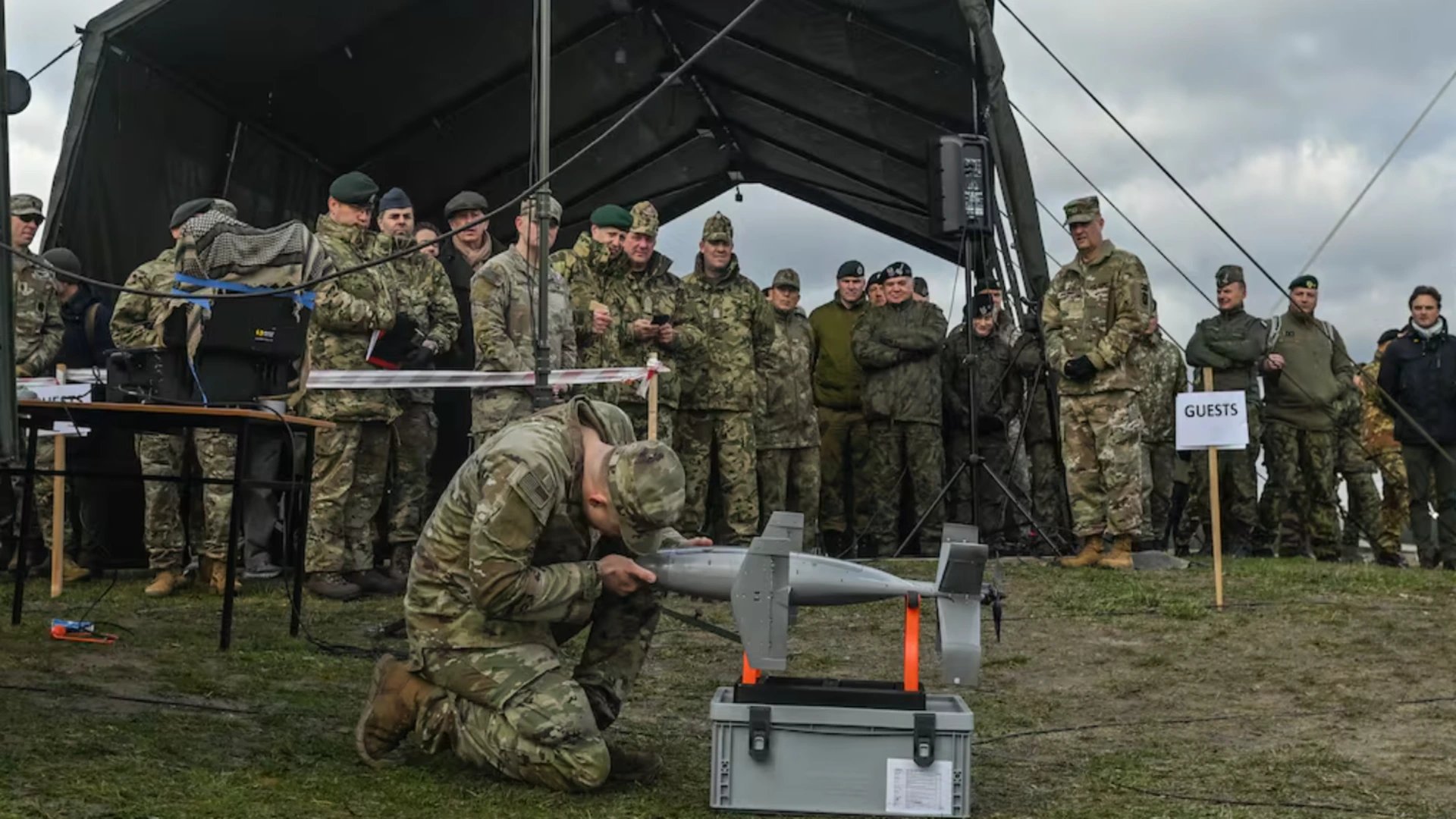
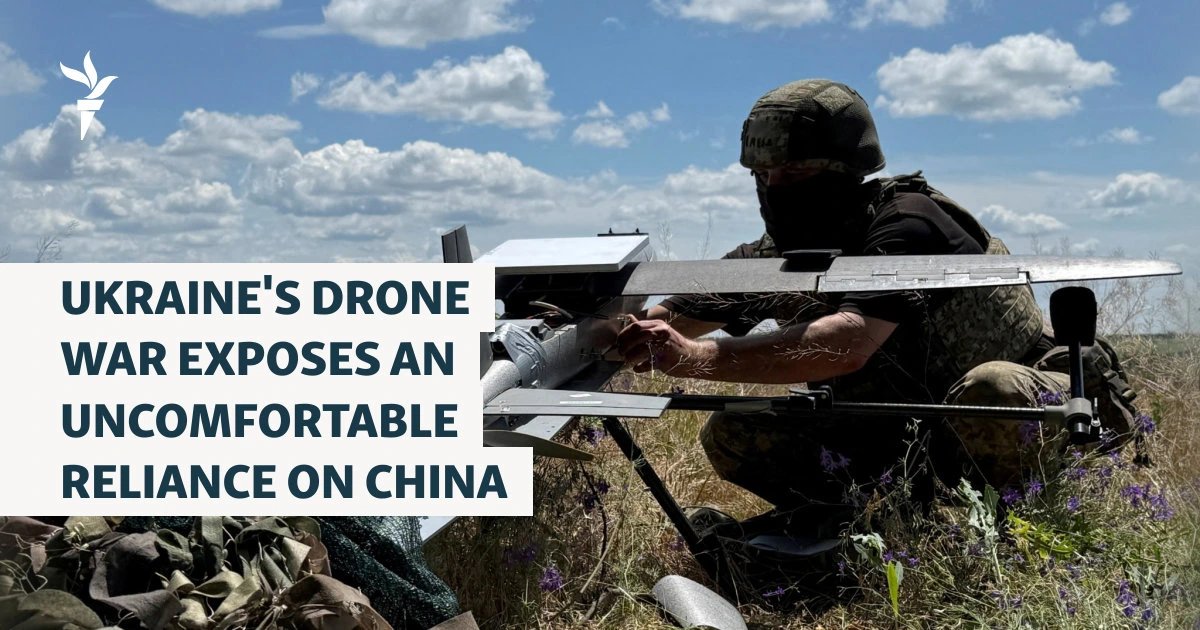
Ukraine has developed an innovation cycle that Joshua Huminski, senior vice president at the Center for the Study of the Presidency and Congress, says moves faster than anything the US or other NATO countries are doing. Drones, electronic warfare, and long-range strikes have transformed the battlefield. The resulting heavily surveilled 'kill zone' along the front makes movement increasingly dangerous.
Russia's Remaining Capabilities
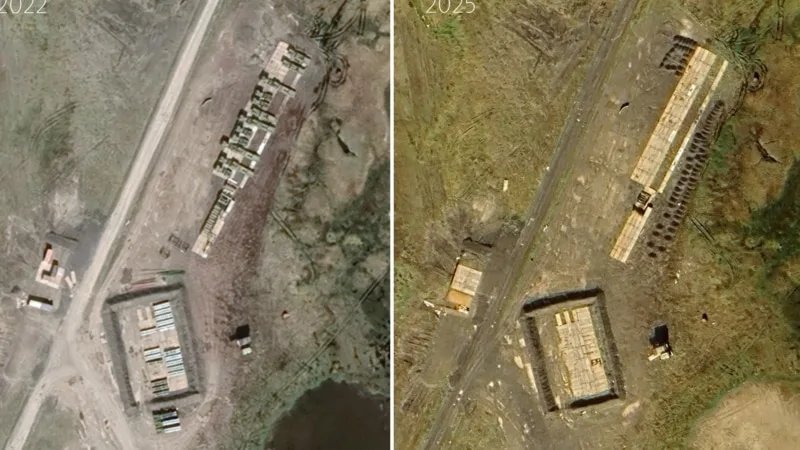
Russia's Northern and Pacific naval fleets retain important capabilities. Its strategic nuclear forces have been largely untouched, and Moscow still possesses capable cyber and space assets. Moscow continues to adapt to the battlefield, expand weapons production, and learn from a war unlike any it had previously fought. Russia's growing reliance on North Korea for ammunition, missiles, and troops does not prove that Russia is collapsing. Judging Russian military power solely through the lens of its degraded conventional ground forces would be a mistake.
1 source
Four years of war in Ukraine expose limits of Russian military power