
CSIS-Scale AI test shows allied military AI recommendations diverge sharply
This digest was compiled by AI from multiple sources — links to the originals are below.
A CSIS and Scale AI exercise tested seven major foundation models across 400 diplomatic and security scenarios in 2025 and found their crisis recommendations diverged significantly. As allied militaries integrate different AI systems under 'AI sovereignty,' interoperability questions are growing. Japan is pursuing a two-track strategy through summer 2026, while the US is strengthening Indo-Pacific AI links through exercises like Freedom Edge.
Key Facts
- All seven models in the CSIS-Scale AI exercise exhibited some degree of national bias, and some were uniquely hawkish.
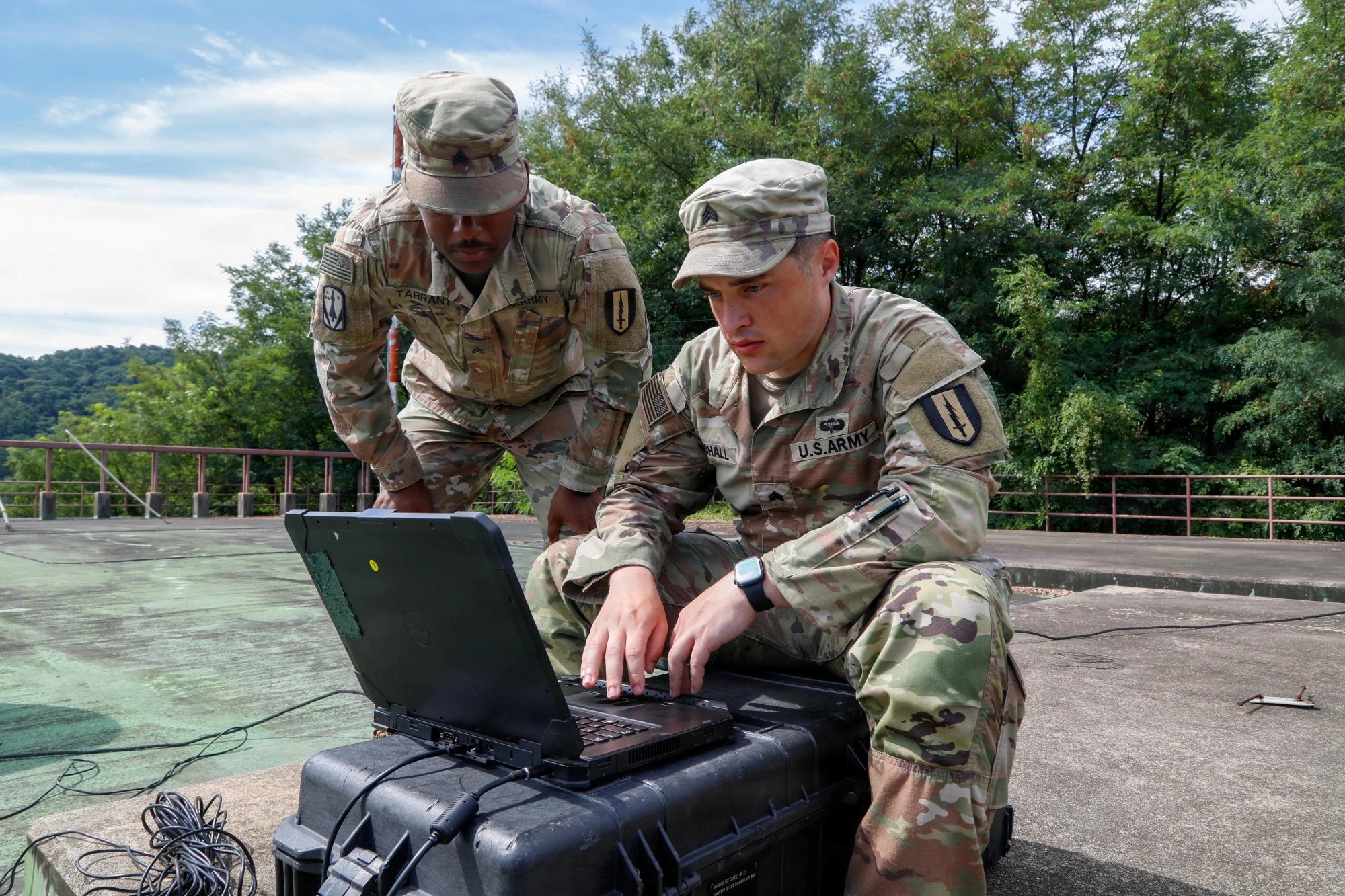
- The September 2025 Freedom Edge trilateral exercise linked US, South Korean, and Japanese simulation systems using AI tools for real-time data exchange.
- Japan adopted a two-track strategy with summer 2026 as the watershed, leveraging US systems before June while building sovereign AI infrastructure around SoftBank and Sakura Internet.
- Microsoft and OpenAI signed commercial investments with SoftBank and Sakura Internet, signaling Tokyo would not rule out US AI capabilities taking root in Japan.
Model Divergence
CSIS and Scale AI tested seven major foundation models across 400 diplomatic and security scenarios in 2025. Presented with identical international crises, the models produced significantly different recommendations. Some models were uniquely hawkish, and every model exhibited some degree of national bias. The exercise demonstrated that AI is not a homogeneous tool as it enters military integration.
Allied Interoperability
The United States is rapidly strengthening AI-driven interoperability within its Indo-Pacific alliances. During the September 2025 Freedom Edge trilateral exercise, the United States, South Korea, and Japan linked their simulation systems using AI tools for real-time data exchange. Allied discussions range from real-time sensor integration and instant target identification to improving allied AI literacy. The technology under discussion is poised to reshape how coalition warfare operates.
Japan's Two-Track Strategy
Japan adopted a calculated two-track strategy with summer 2026 as the watershed. Before June, Tokyo actively leverages existing US systems under the alliance framework while fostering SoftBank and Sakura Internet as pillars of its sovereign AI infrastructure. Microsoft and OpenAI signed commercial investments with SoftBank and Sakura Internet, signaling Tokyo would not rule out US AI capabilities taking root in Japan. Fujitsu adopted Palantir-based solutions, which The Diplomat calls a harbinger of a bold change.
1 source
Time · lag behind first