DRC Ebola outbreak becomes country's deadliest with 2,325 deaths
This digest was compiled by AI from multiple sources — links to the originals are below.
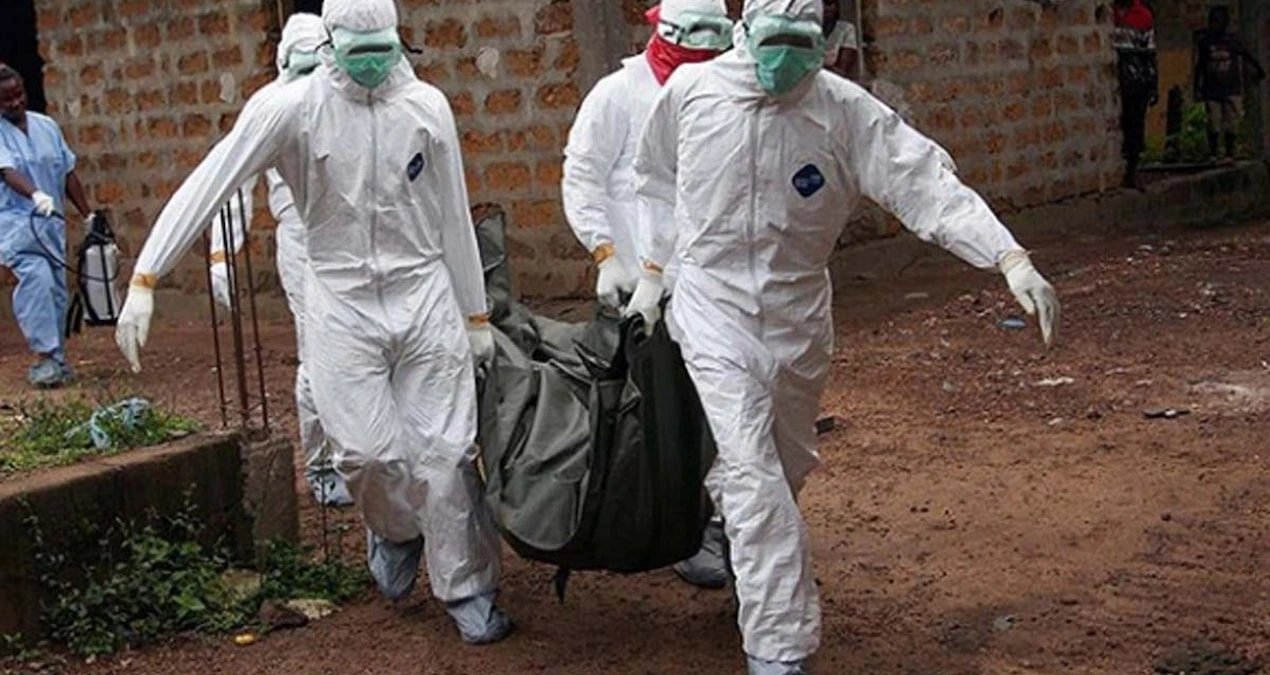
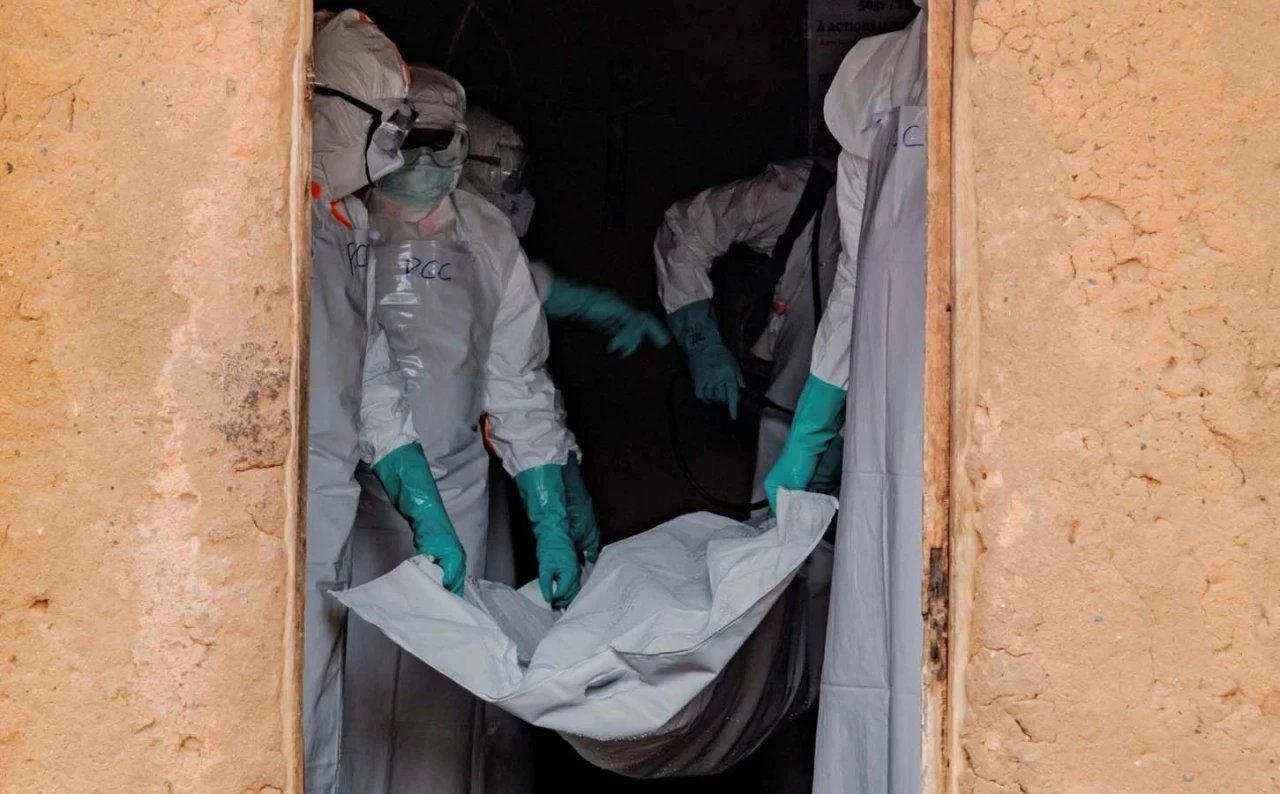
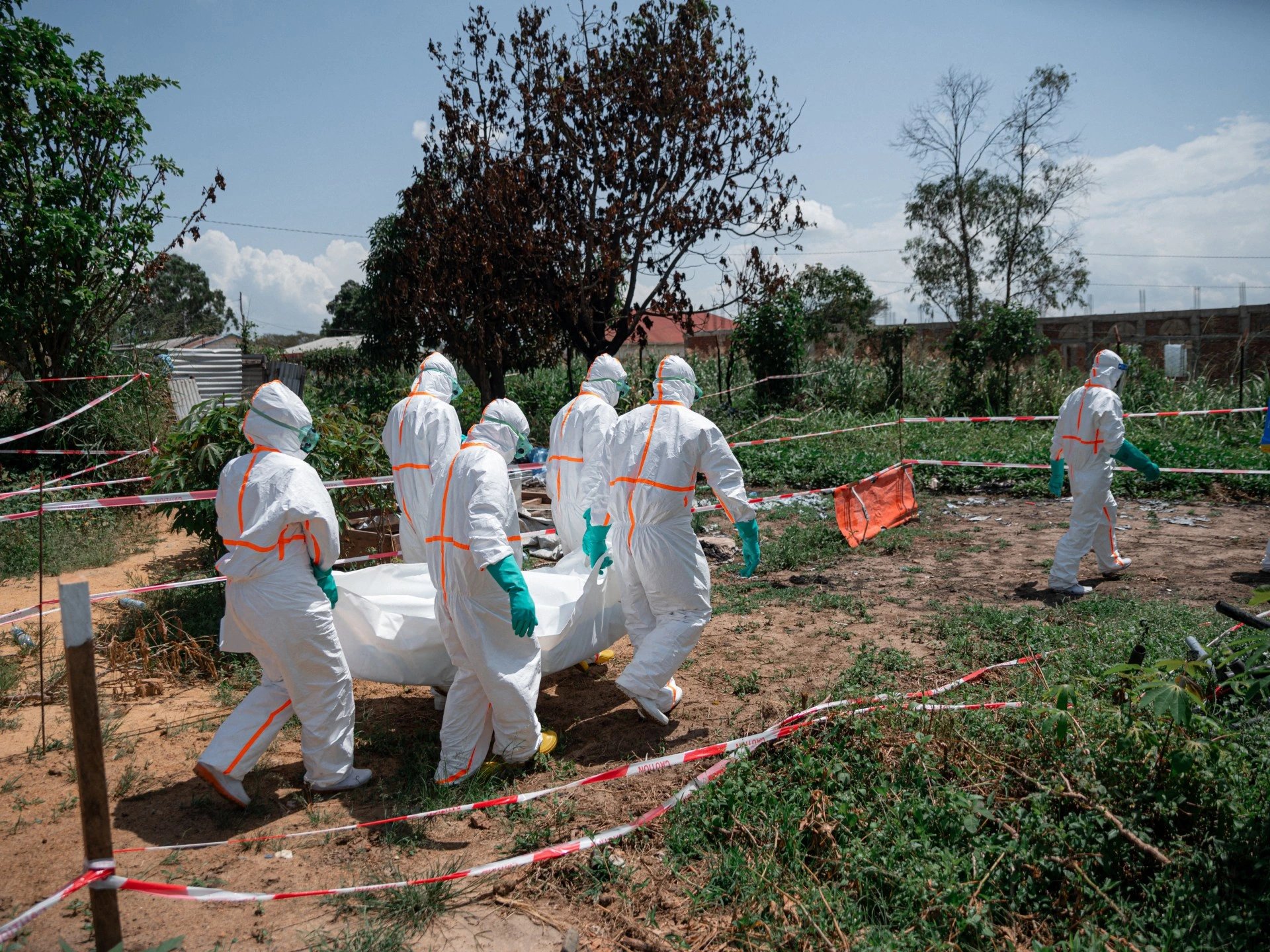
The DRC public health institute confirmed 101 new Ebola cases in 24 hours on Sunday, raising total confirmed cases to 4,945. At least 2,325 people have died, surpassing the 2018-2020 toll and making the outbreak the deadliest in the country's history. The UN says the virus is now killing one person every 30 minutes in the DRC.
Key Facts
- The UN warned on Friday that the virus is causing one death every 30 minutes in the Democratic Republic of the Congo.
- Confirmed Ebola cases reached 4,945 after 101 new cases were recorded in the last 24 hours, the DRC public health institute said on Sunday.
- At least 2,325 people have died in the outbreak, surpassing the 2018–2020 toll and making it the deadliest Ebola wave in the country's history.
- In Kampala, the capital of Uganda, at least 20 cases have been recorded, and WHO declared an international public health emergency in May.
- The rare Bundibugyo strain driving the current rise has no approved vaccine or treatment.
Outbreak Scale
The DRC public health institute reported 4,945 confirmed Ebola cases as of Sunday after 101 new cases were added in 24 hours. At least 2,325 people have died, which exceeds the 2018–2020 epidemic and makes this the deadliest Ebola outbreak in the country's history. The UN said on Friday that the virus kills one person every 30 minutes in the DRC. The outbreak has reached six of the country's 26 provinces and is concentrated along the north-eastern border. Ituri province, where the first cases were reported, accounts for more than 3,400 cases.
Cross-Border Spread and Vaccines
The outbreak has spread across the border to Uganda's capital Kampala, where at least 20 cases have been confirmed. WHO declared the situation in DRC and Uganda an international public health emergency in May. The current rise is driven by the rare Bundibugyo strain, for which no approved vaccine or treatment exists. MSF public health specialist Thomas Parisch said most patients are diagnosed at late stages or after death, lowering treatment success. The virus spreads through blood, secretions, organs and bodily fluids, as well as contaminated surfaces and clothing.
1 source
DRC Ebola outbreak becomes country's deadliest with 2,325 deaths