
WMO reports wildfire smoke caused nearly 100,000 deaths annually from 2010 to 2018
This digest was compiled by AI from multiple sources — links to the originals are below.
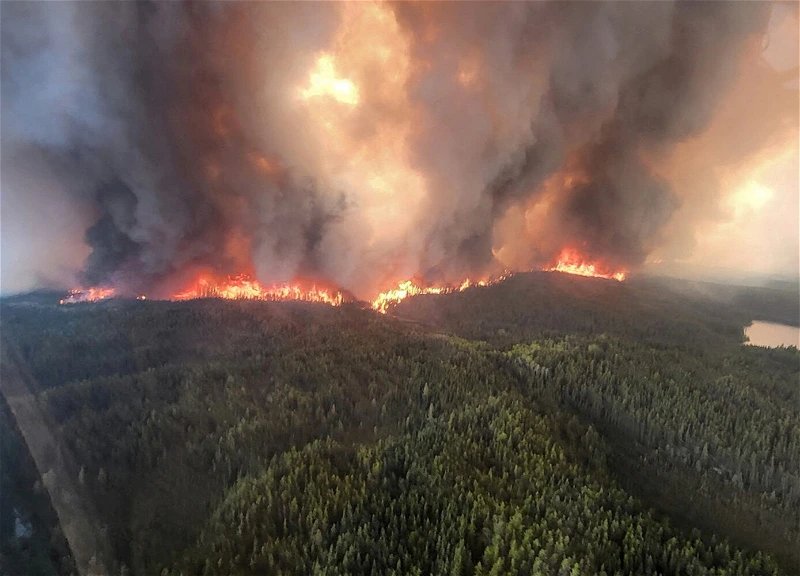
Wildfire smoke caused nearly 100,000 additional deaths each year from 2010 to 2018, according to a World Meteorological Organization bulletin. The WMO also warns that rising pollution from fires and heat could undermine international efforts to improve air quality.
Key Facts
- The World Meteorological Organization reported that wildfire smoke caused nearly 100,000 excess deaths annually from 2010 to 2018.
- Extreme wildfire smoke events have tripled globally since the 1990s, according to the WMO bulletin.
- Standard risk models underestimate smoke-related mortality by up to 93% because they do not account for smoke toxicity, the WMO said.
- In 2025, PM2.5 concentrations exceeded average levels in northern Canada, parts of Russia, and West and Central Africa, the WMO reported.
Health Impact
The WMO bulletin states that wildfire smoke led to nearly 100,000 additional deaths per year between 2010 and 2018. The organization notes that the number of extreme smoke events from wildfires has tripled since the 1990s. The WMO cautions that actual mortality figures may be higher than reported. Standard risk assessment models fail to account for smoke toxicity and underestimate related mortality by up to 93%, according to the bulletin.
Air Quality Threat
The WMO warns that increasing pollution from wildfires and heat could negate international efforts to improve air quality. In 2025, concentrations of fine particulate matter PM2.5 exceeded average levels in northern Canada, parts of Russia, and West and Central Africa. The WMO links these elevated PM2.5 levels to a rise in wildfire activity. Northwestern Spain was another zone of severe pollution last year, the organization reported.
1 source
Time · lag behind first