Wakhan Corridor's 1895 buffer purpose is obsolete as Afghanistan builds a road to China
This digest was compiled by AI from multiple sources — links to the originals are below.
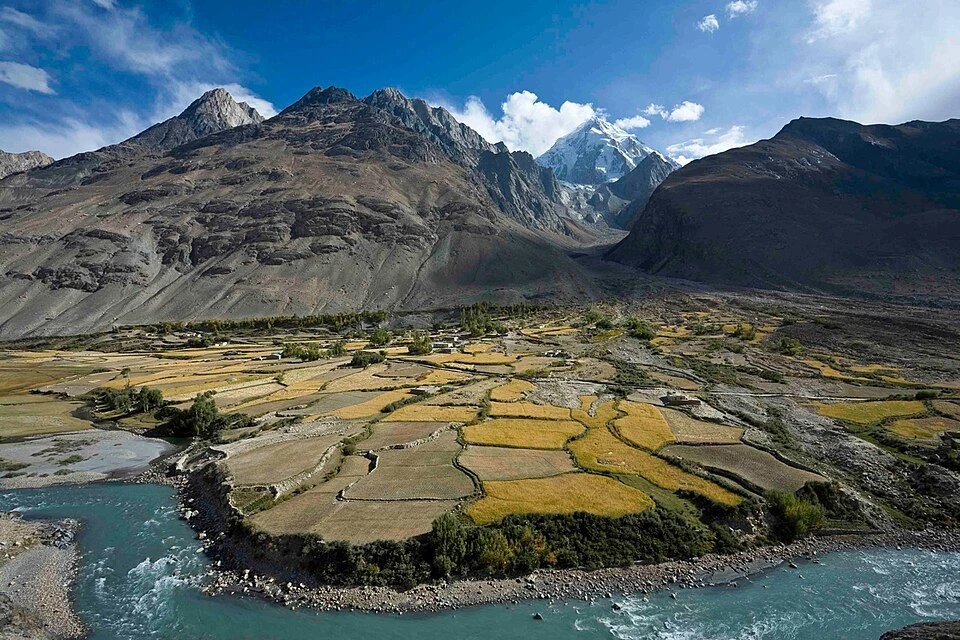
Afghan road crews have completed about three-quarters of the Baza'i Gonbad–Badakhshan border road section and are advancing the final stretch toward China's Wakhjir Pass. The 350-km Wakhan Corridor, delimited in 1895 as a Russia–British India buffer, remains under Afghan sovereignty, which Pakistan does not dispute.
Key Facts
- Afghan road crews have completed about three-quarters of the Baza'i Gonbad–Badakhshan border road section and have advanced further on the final stretch toward the Chinese border.
- The Wakhan Corridor was delimited by the Pamir Boundary Commission in 1895 to prevent a common border between Tsarist Russia and British India.
- The corridor is about 350 km long and as narrow as 13 km, running from Badakhshan to China's Xinjiang.
- Afghanistan's sovereignty over the corridor was confirmed by the 1919 Rawalpindi Treaty and the 1921 Anglo-Afghan Treaty.
- Wakhjir Pass, the only realistic crossing to China, sits at nearly 4,900 metres and is snowbound most of the year.
Geography and Origin
The Wakhan Corridor is a narrow Afghan salient about 350 km long and as little as 13 km wide, stretching from Badakhshan to China's Xinjiang and separating Tajikistan to the north from Pakistan's Gilgit-Baltistan to the south. Its borders were drawn by the Pamir Boundary Commission in 1895 with one specific goal: to prevent Tsarist Russia and British India from sharing a common frontier. Afghan Emir Abdur Rahman Khan reluctantly accepted administration of the territory and received a British subsidy to keep order there. The arrangement was part of an agreement between two empires that no longer exist.
Afghan Sovereignty
Afghanistan's sovereignty over the Wakhan Corridor is not questioned and was consistently confirmed after the 1919 Rawalpindi Treaty and the 1921 Anglo-Afghan Treaty. The government of Pakistan has repeatedly stressed this position and denies any territorial claims on the corridor. This continuity matches the international law principle that successor states retain the borders that existed at independence. Sovereignty over the territory and the way the territory is used are two separate questions, and only the second offers space for regional dialogue.
The Afghan Road Push
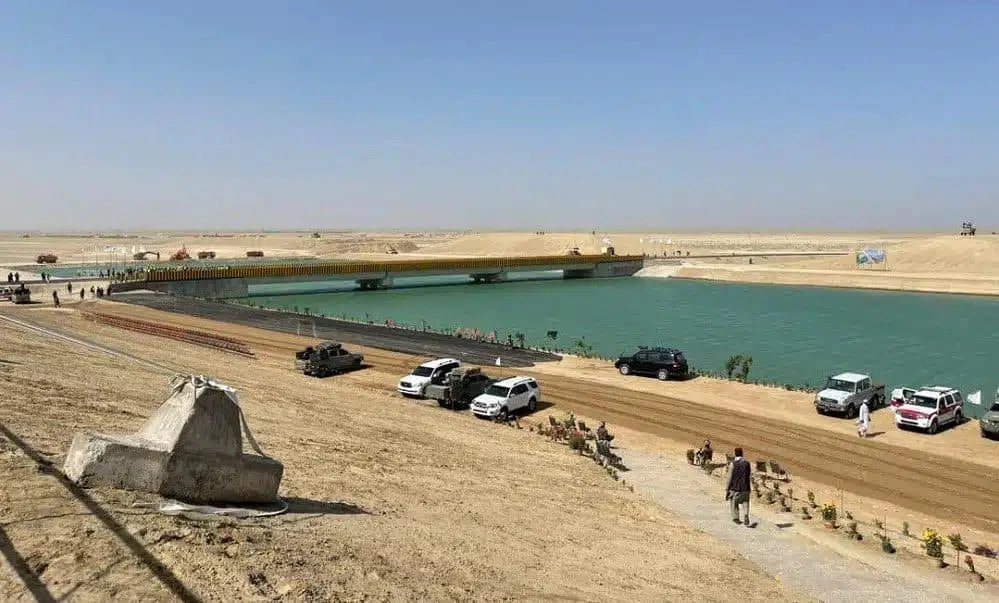
Over the past two years, Afghan road crews have been building a route through the Wakhan toward Wakhjir Pass, the only realistic crossing into China. The pass sits at nearly 4,900 metres and is covered by snow for most of the year. According to reports from Kabul, about three-quarters of the section from Baza'i Gonbad to the border crossing in Badakhshan is complete this year, and the final stretch toward the Chinese border has advanced further. The road construction is an initiative of Afghanistan itself, not an externally imposed project. The corridor is already opening, though not in the way many assume.
2 sources
Wakhan Corridor's 1895 buffer purpose is obsolete as Afghanistan builds a road to China