
Hormuz commodity traffic falls to three vessels, 80% below 10-day average
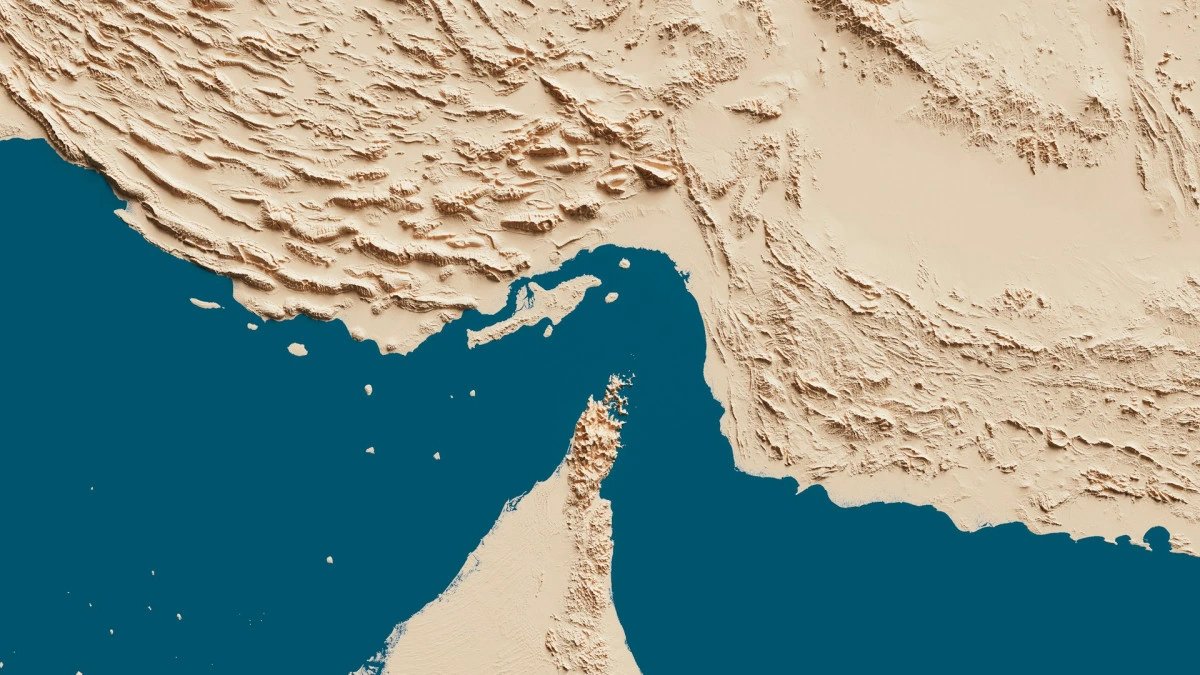
This digest was compiled by AI from multiple sources — links to the originals are below.
Only three commodity vessels transited the Strait of Hormuz outbound on Tuesday, down from four on Monday and roughly 80% below the 10-day average of 15 transits, according to Kpler tanker-tracking data. The decline comes amid renewed security concerns in the Middle East, including strikes on tankers and threats from Iran-aligned Houthis. Saudi Arabia restored partial service on its East-West pipeline on Tuesday, allowing crude exports to bypass Hormuz via the Red Sea port of Yanbu.
Key Facts
- Only three commodity vessels transited the Strait of Hormuz outbound on Tuesday, down from four on Monday, according to Kpler data.
- The 10-day moving average for Hormuz commodity vessel transits is roughly 15 per day, making Tuesday's traffic about 80% below average.
- Saudi Arabia restored partial service on its East-West pipeline on Tuesday, enabling crude exports via the Red Sea port of Yanbu and bypassing Hormuz.
- At the Bab el-Mandeb Strait, 22 commodity vessels moved in either direction on Tuesday, compared with a 10-day average of about 26 daily transits.
Hormuz Traffic Collapse
Preliminary tanker-tracking data from Kpler showed only three commodity vessels moved through the Strait of Hormuz in the past day, including one Panamax oil tanker. Tuesday's observable traffic was below Monday's four vessels and well below the 10-day moving average of roughly 15 vessel transits. The tracking excludes ships that have switched off their positioning systems to avoid detection or attacks. Daily traffic of commodity vessels at Hormuz with AIS positioning switched on has stayed in the single digits for days amid persistent security concerns.
Regional Security and Pipeline Response
Owners and energy exporters are becoming increasingly careful navigating through the Strait of Hormuz amid re-escalation of hostilities this month, including strikes on tankers and threats from Iran-aligned Houthis in the Red Sea. Saudi Arabia restored partial service on its East-West pipeline on Tuesday, allowing crude oil to be shipped from the Red Sea port of Yanbu and bypass the Strait of Hormuz. Observable traffic at the Bab el-Mandeb Strait appears more consistent, with 22 commodity vessels moving in either direction in and out of the Red Sea on Tuesday. On average, about 26 vessels have transited daily between the Red Sea and the Gulf of Aden over the past 10 days.
Diplomatic Context
The oil market awaits developments on the diplomacy front this week as U.S. and Iran representatives use the UN General Assembly in New York for discussions on the sidelines. The potential resumption of U.S.-Iran talks is being weighed against continued disruptions in the Middle East.
1 source
Time · lag behind first