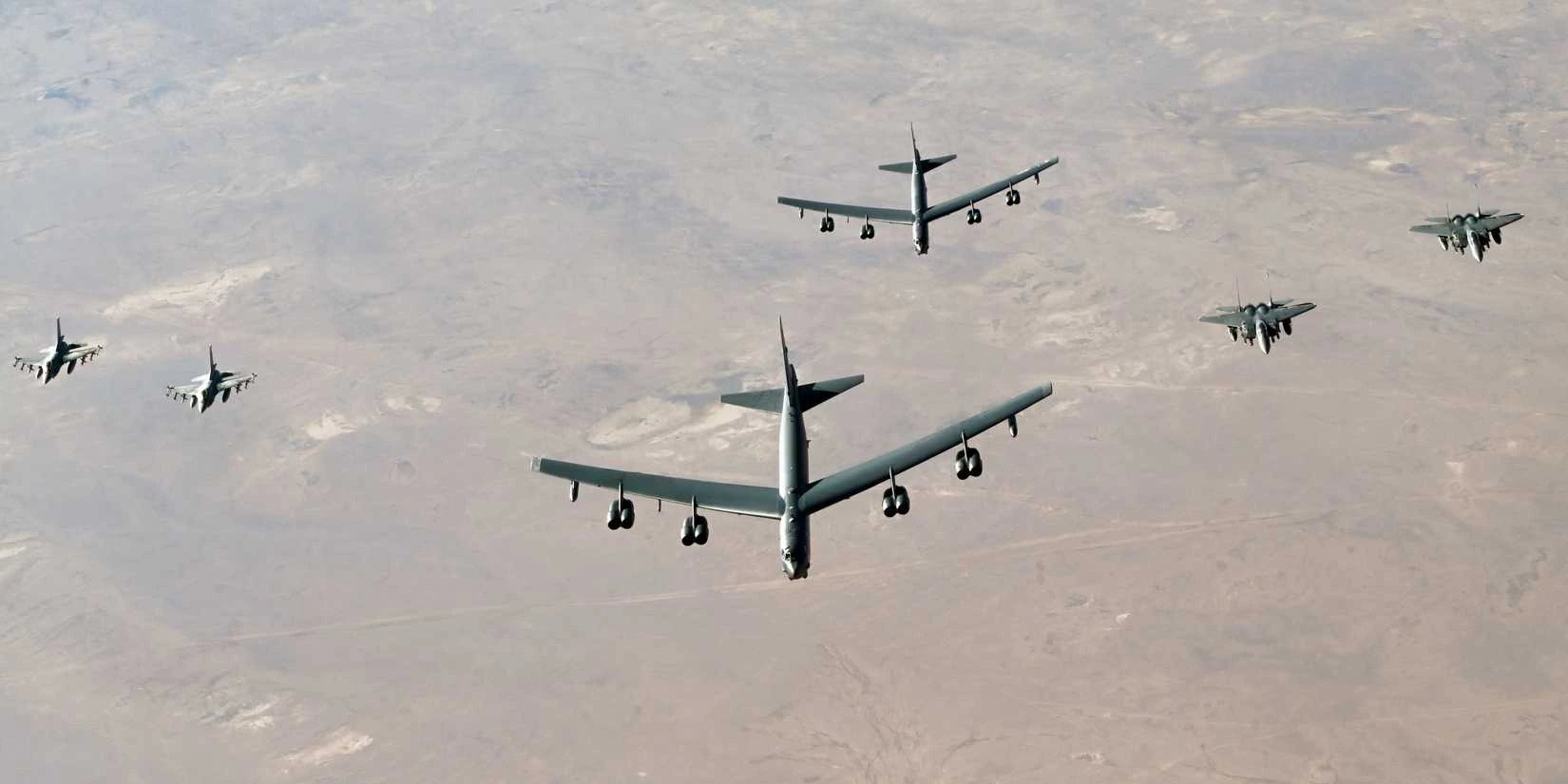
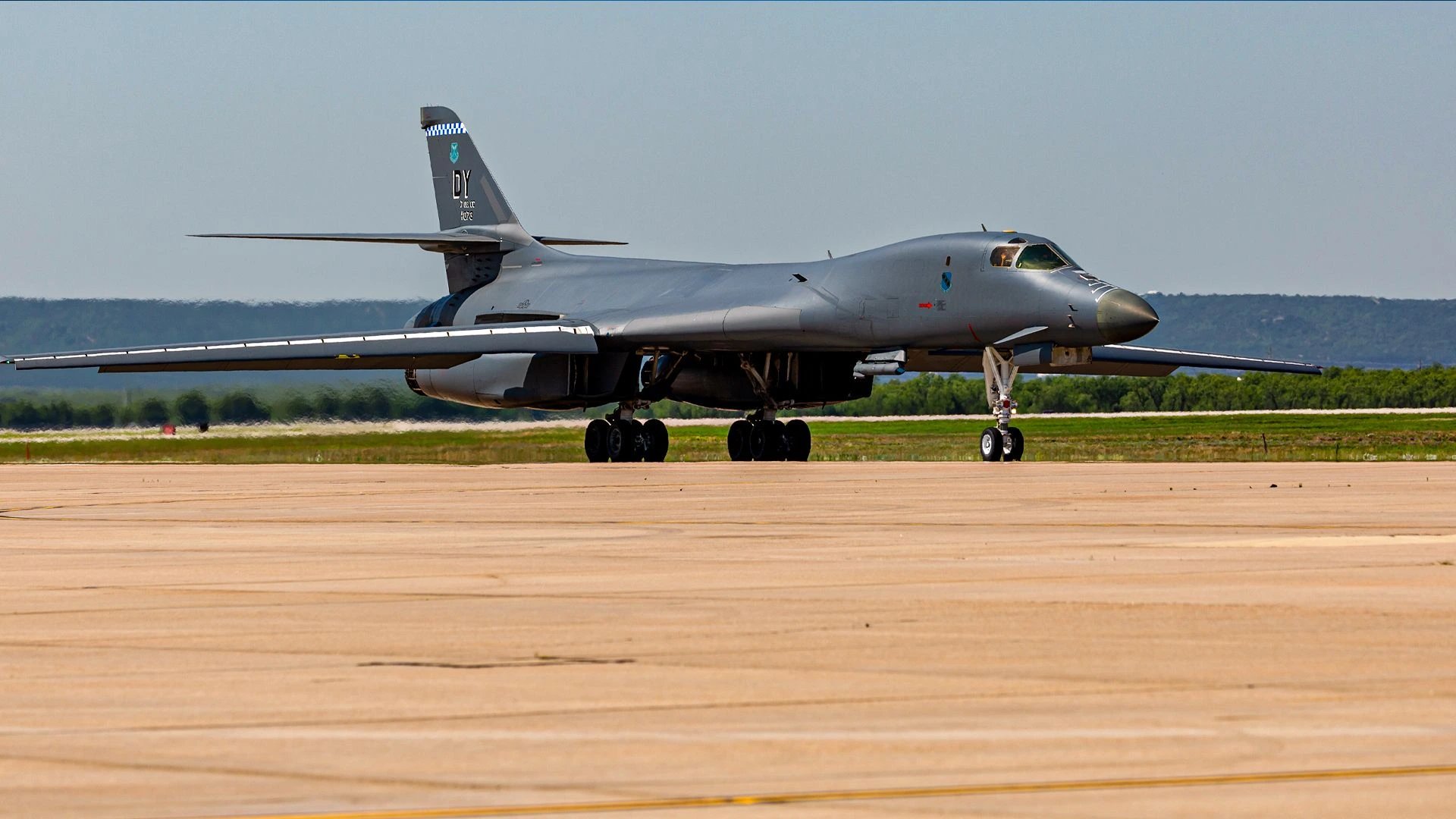
USAF rarely stages B-1B, B-2, B-52 together due to logistics burden
This digest was compiled by AI from multiple sources — links to the originals are below.
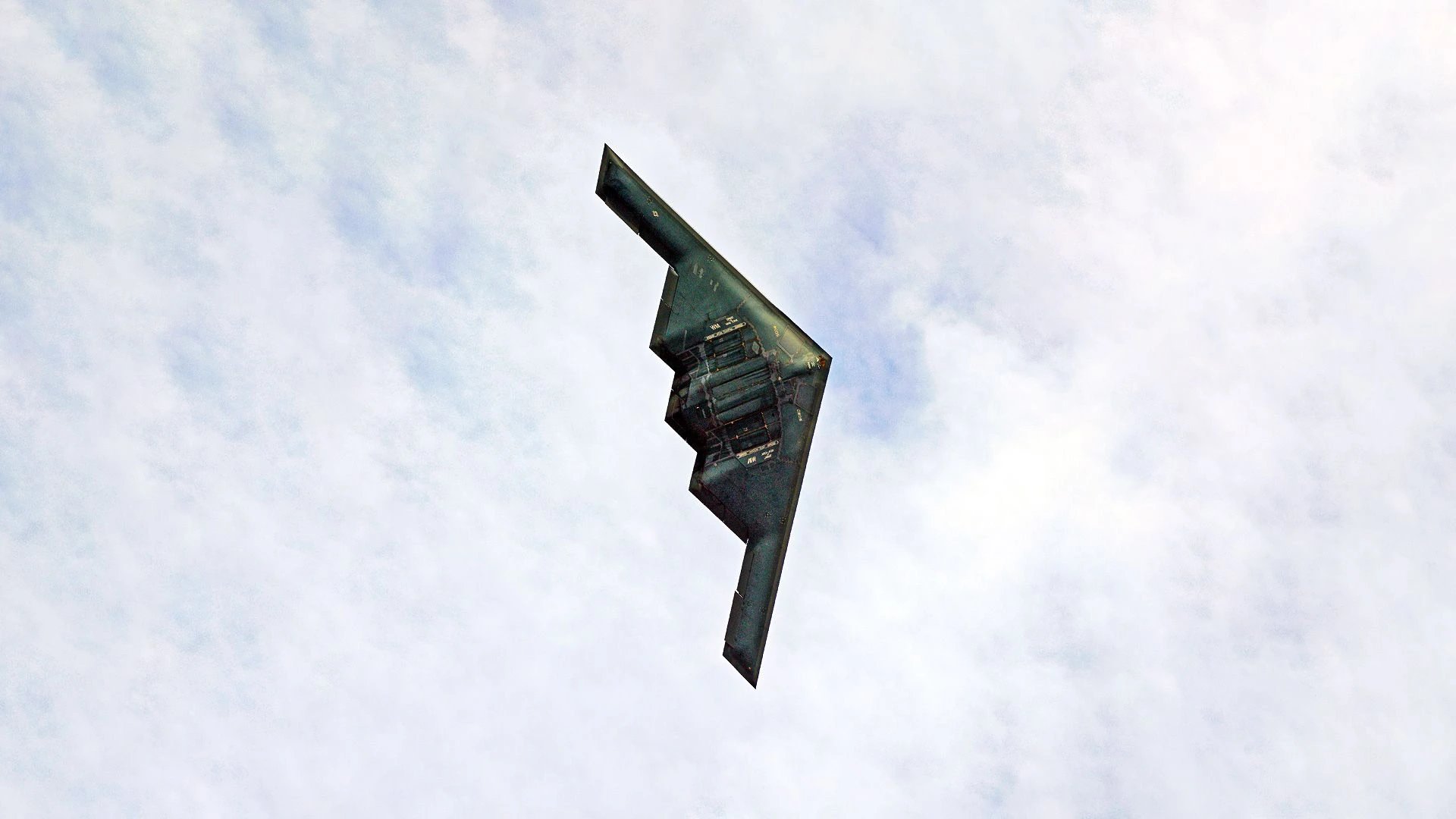
The US Air Force rarely stages B-1B, B-2, and B-52 bombers together from a single base because the three types have vastly different maintenance, weapons, and support requirements. The only known integrated launch occurred on August 17, 2016, from Andersen Air Force Base in Guam, as part of the Continuous Bomber Presence mission. That concept has since evolved into the Bomber Task Force model favoring shorter, less predictable deployments.
Key Facts
- On August 17, 2016, Andersen Air Force Base became the first location in the US Pacific Command area of responsibility to launch an integrated operation involving B-1B, B-2, and B-52 bombers.
- The August 2016 mission combined B-52Hs from Minot Air Force Base, B-1Bs from Ellsworth Air Force Base, and B-2 Spirits that departed Guam in sequence before dispersing across the Indo-Pacific.
- The deployment formed part of the Continuous Bomber Presence mission, which has since evolved into the Bomber Task Force model favoring shorter, less predictable deployments.
- The US Air Force said the operation demonstrated the ability to integrate three unique platforms while reassuring allies and reinforcing regional stability.
Tri-Bomber Operation at Andersen
On August 17, 2016, the deployment marked a milestone in US strategic aviation by bringing together bombers from three separate wings located thousands of miles apart. Each aircraft type crossed the Pacific independently before assembling at Andersen Air Force Base, where crews coordinated one of the most complex bomber missions ever conducted in the region. After launching in sequence, the aircraft performed a flyover before separating to execute simultaneous operations across multiple theaters. The Aviationist noted that bringing all three bombers together is far more difficult than simply parking them on the same ramp.
Logistical Barriers
Despite sharing the same strategic mission, the B-1B, B-2, and B-52 have vastly different maintenance requirements, weapons systems, support equipment, and operational concepts. The US Air Force almost never stages deployments of all three types together because the extraordinary logistical effort required to support three aircraft rarely justifies the complexity. Only one base is capable of hosting all three bombers, reflecting these distinct operational and logistical demands. The Air Force said the rare joint operation demonstrated the ability to integrate three unique platforms, but it also underscored the complexity of doing so.
From Continuous Presence to Bomber Task Force
At the time of the August 2016 deployment, the mission formed part of the Continuous Bomber Presence, under which US strategic bombers rotated through Guam on a near-continuous basis. That concept has since evolved into today's Bomber Task Force model, which favors shorter, less predictable deployments to complicate enemy planning. The shift reflects a broader change in US strategy, emphasizing flexibility over permanent forward basing, as described by the Air Force and Strategic Command. The August 2016 operation was widely portrayed as a political message to potential adversaries, but it was also a practical demonstration of operational integration.
1 source
USAF rarely stages B-1B, B-2, B-52 together due to logistics burden