Max Planck researchers find stress hormone CRH may promote myelin repair after brain injury
This digest was compiled by AI from multiple sources — links to the originals are below.
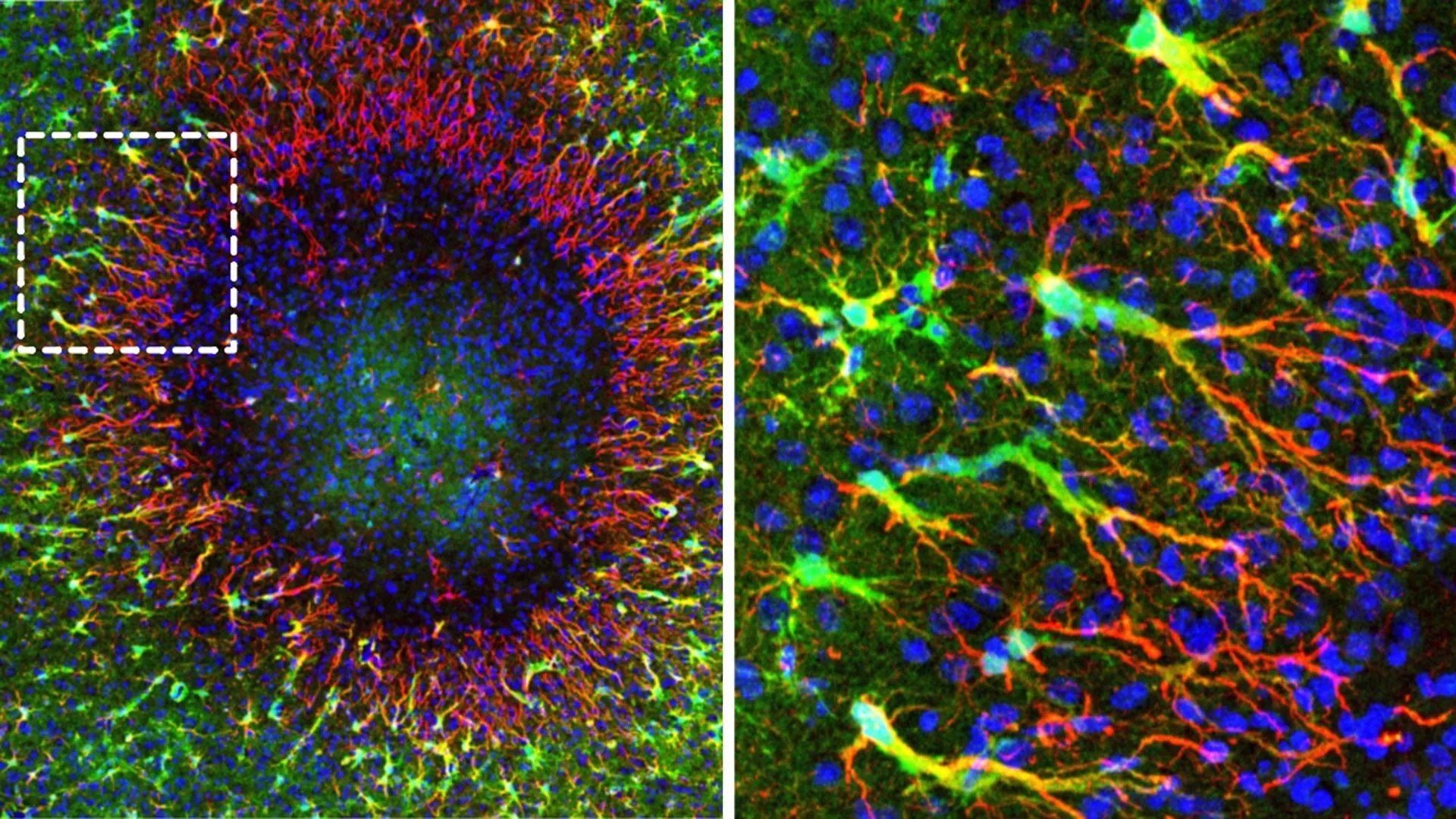
Researchers at the Max Planck Institute of Psychiatry report that about one third of oligodendrocyte progenitor cells near brain wounds activate corticotropin-releasing hormone (CRH), a stress signal that drives myelin repair in a mouse model. The finding, published August 14 in ScienceDaily, links a stress-related signal to remyelination and may inform research on early-life stress and psychiatric disorders.
Oligodendrocyte Progenitor Cell Identification
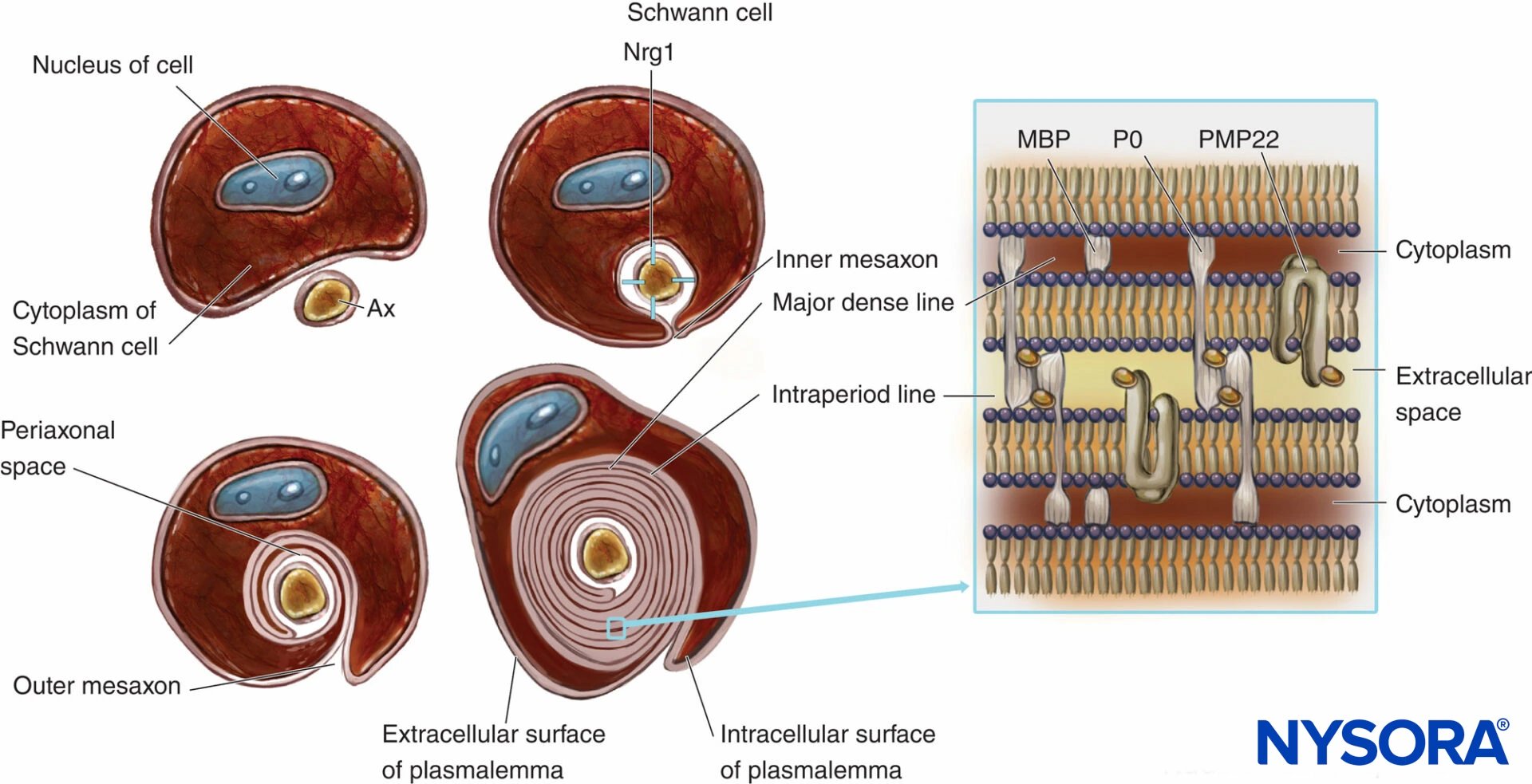
Clemens Ries, then a master's student at the Max Planck Institute of Psychiatry, tested markers for all known cell types in a mouse model. Only one marker — that for oligodendrocyte progenitor cells (OPCs) — produced a response. OPCs are precursors that mature into oligodendrocytes, the cells that generate the myelin sheath around axons. Under research group leader Jan Deussing, the work later became Ries's doctoral thesis.
CRH Release and Repair Implications
Ries and Deussing found that OPCs proliferate around the edges of brain wounds, with most then maturing into myelin-producing oligodendrocytes. Near damaged tissue, about one third of OPCs activate corticotropin-releasing hormone (CRH), a central regulator of the body's stress response. Before this study, researchers had not known that OPCs could produce neuropeptides such as CRH. Myelin damage occurs in autoimmune diseases such as multiple sclerosis and after physical injury; in severe cases, entire neurons can die. The same CRH-related system also influences brain development and myelin thickness later in life, according to the Max Planck Institute of Psychiatry.
What's Next
Further experiments will be needed to determine whether CRH signaling operates similarly in human brain tissue and how early-life stress shapes myelin formation. It remains unclear whether the pathway can be targeted to treat myelin-related disorders such as multiple sclerosis.
1 source
Max Planck researchers find stress hormone CRH may promote myelin repair after brain injury