Researchers use Evo 2 AI to design working E. coli bacteriophages
This digest was compiled by AI from multiple sources — links to the originals are below.
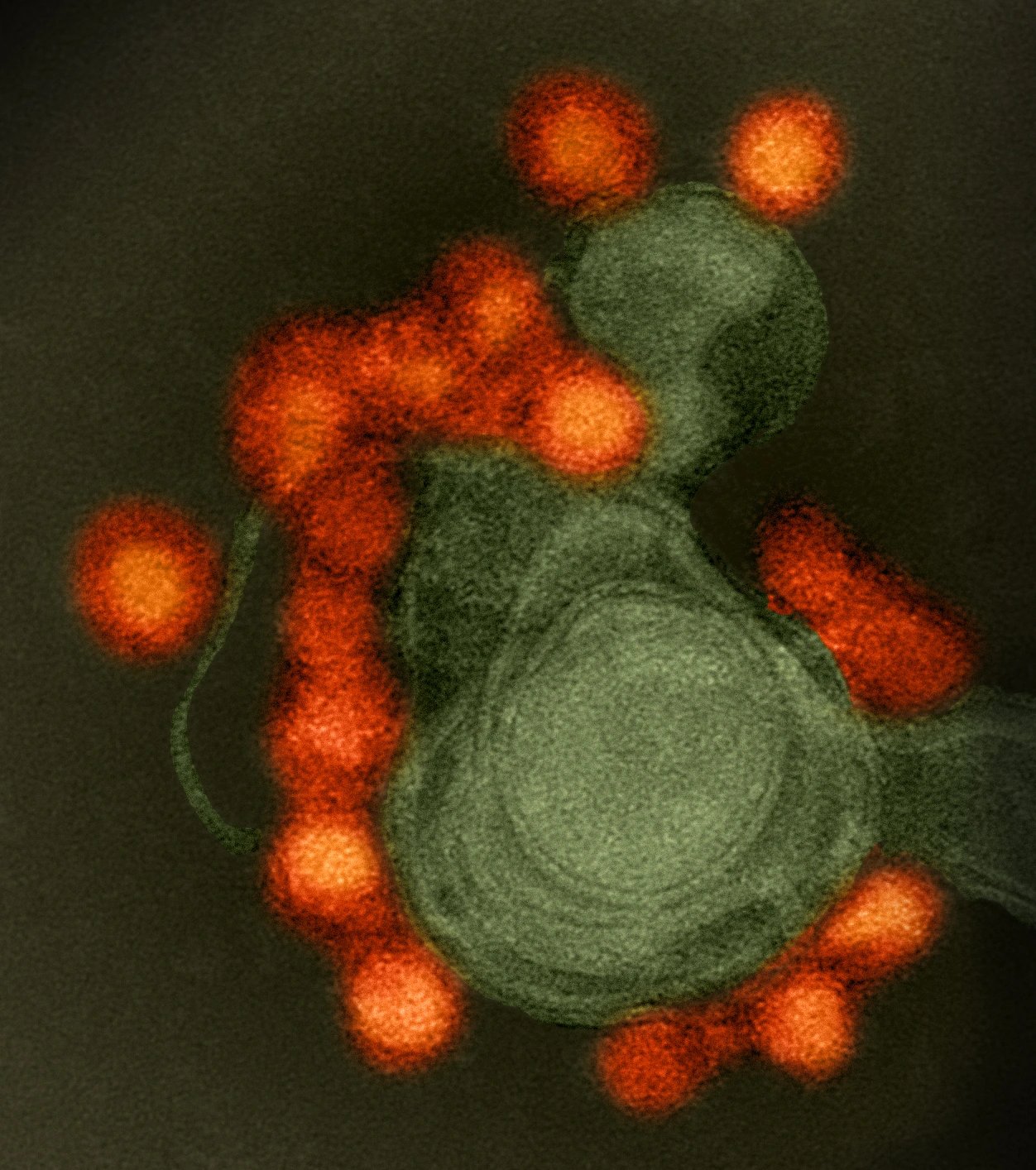
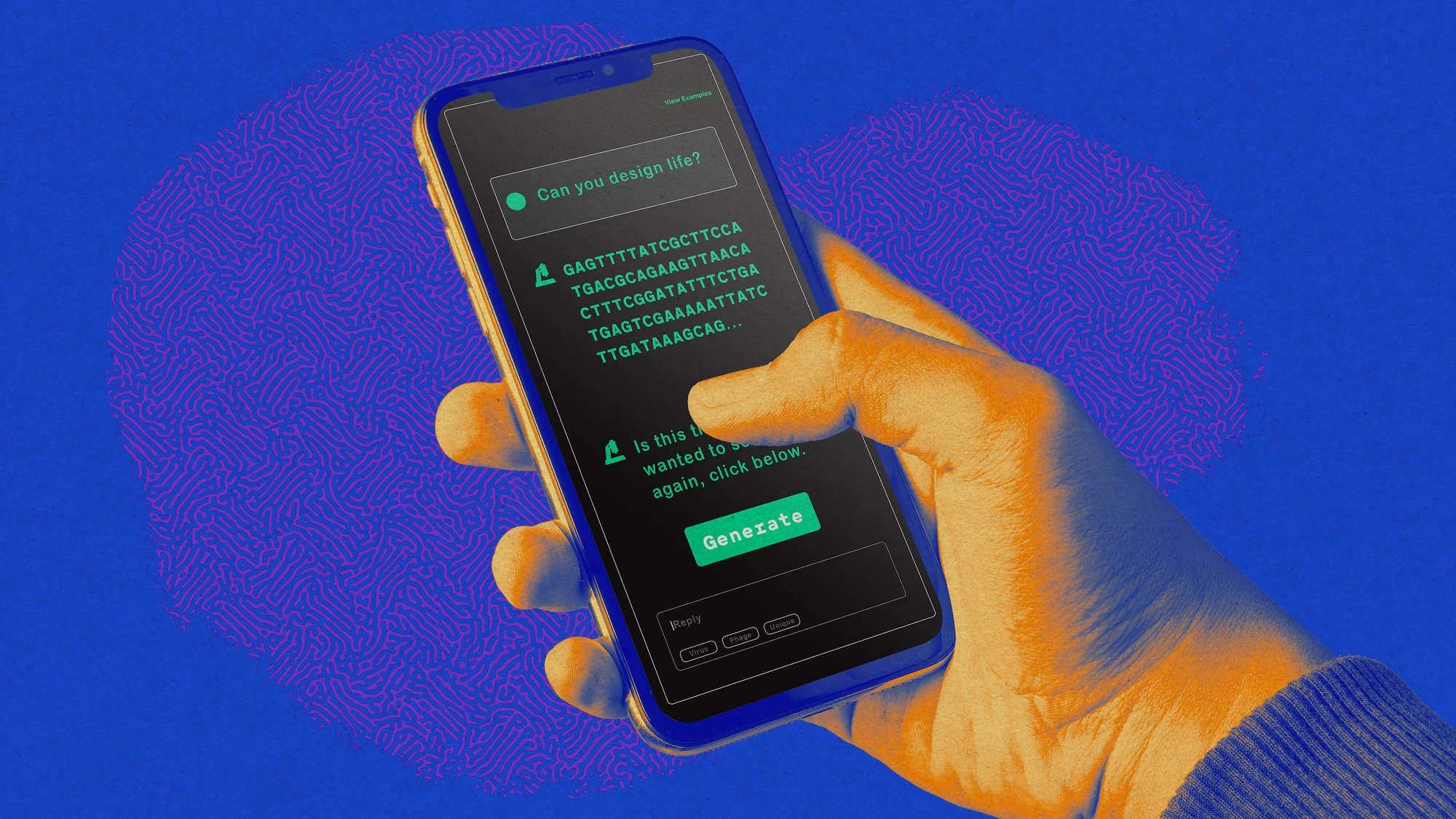
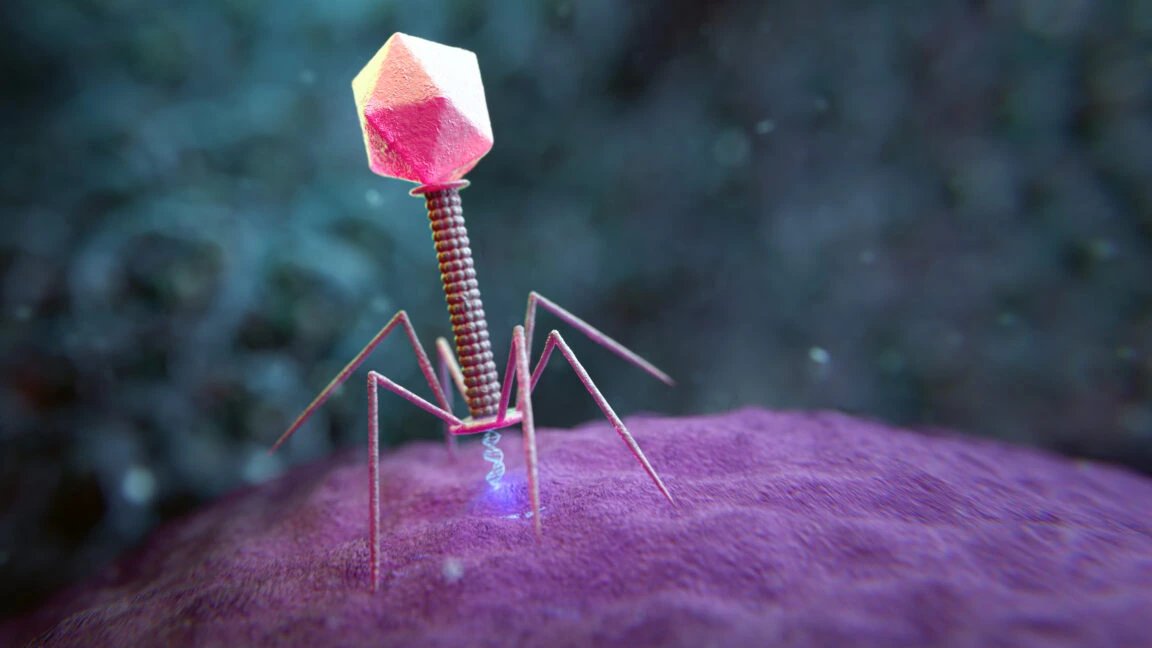
Researchers have used artificial intelligence to design complete sets of genetic instructions for bacteriophages that infect E. coli, and some of the computer-generated designs produced working viruses when built and tested in the laboratory. One of the models, Evo 2, was trained with safety restrictions that excluded viruses infecting animals, plants and humans. The experiment renews questions about whether biosecurity safeguards are advancing as quickly as AI-driven biological design.
The Experiment
Researchers used AI to generate complete genetic instructions for bacteriophages that target E. coli, and some of the computer-designed sequences produced working viruses in laboratory tests. The models, including Evo 2, learn patterns in genetic code rather than words and were trained on trillions of DNA building blocks from diverse life forms. Evo 2 was one of the AI systems used, and its developers built the model with safety restrictions. This marks a step in biological engineering where part of the design process moves from the laboratory to a computer.
Built-In Safety Filters
Evo 2's developers excluded viruses that infect three groups of hosts: animals, plants and humans from its training data to reduce risk. When tested on proteins from human-infecting viruses, the model performed poorly. The study notes such model-level safeguards will need to be tested and strengthened as AI tools for biology become more capable. Researchers have argued that AI and biosecurity should be considered together so safeguards develop alongside new capabilities.
From Digital Design to Physical DNA
A digital sequence remains at least three checkpoints from a biological threat: it must be turned into physical genetic material, assembled correctly and tested under laboratory conditions. Each stage offers a chance to reduce risk. DNA synthesis companies can screen both the requested genetic sequence and the person or organization ordering it for security concerns. Researchers working on DNA synthesis screening have argued for common international approaches as the technology spreads.
What's Next
Researchers say safeguards such as Evo 2's training-data restrictions and DNA synthesis screening must now be tested and strengthened as AI genome models grow more capable. It remains unclear whether international screening norms will keep pace with open-ended AI-driven sequence generation.
2 sources
Researchers use Evo 2 AI to design working E. coli bacteriophages