
Stanford researchers use AI to design 16 novel functional viruses
This digest was compiled by AI from multiple sources — links to the originals are below.
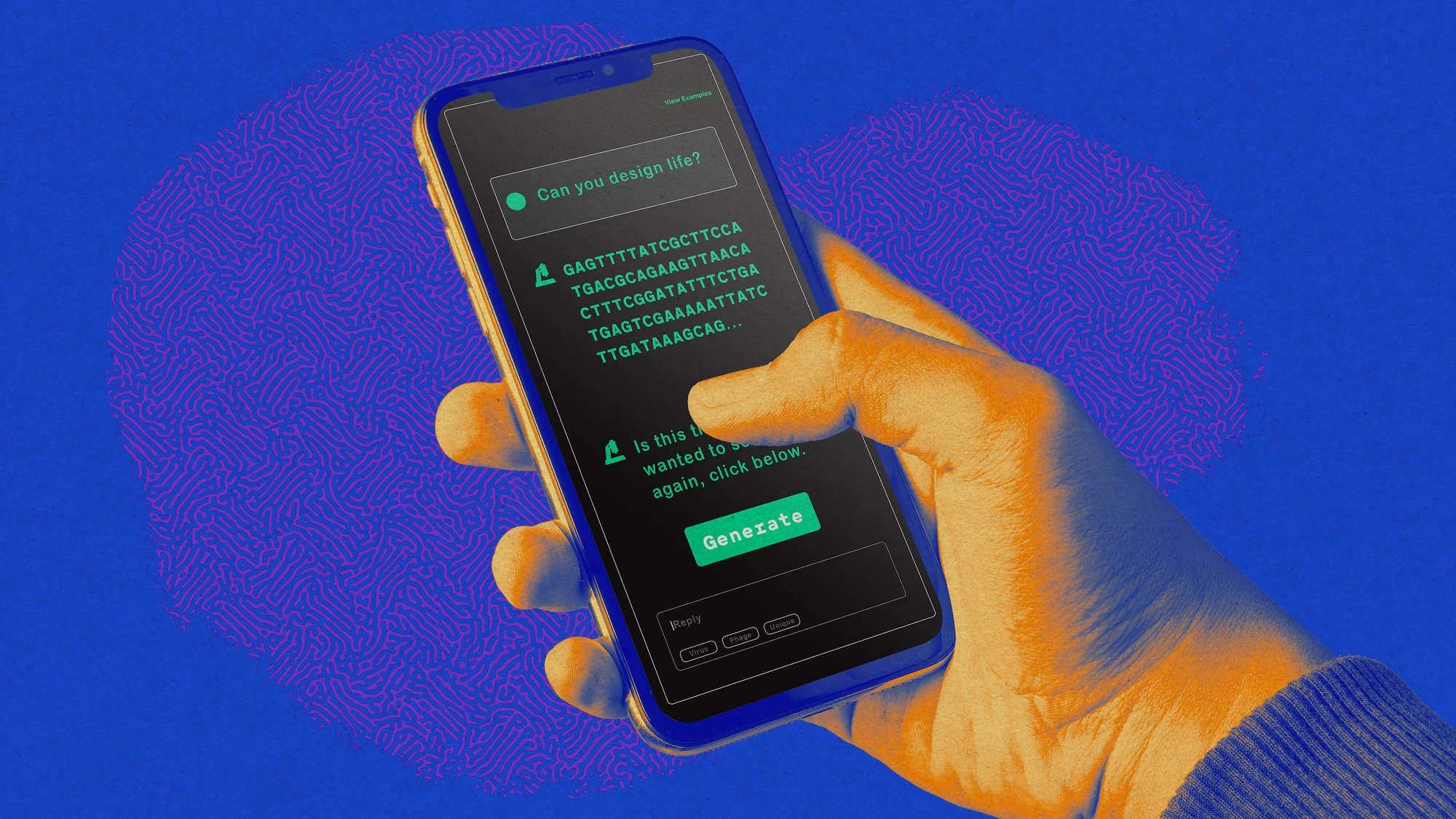
Stanford University researchers have used artificial intelligence to design the first fully functional viral genomes, resulting in 16 novel bacteriophages that replicate and kill E. coli in the laboratory. The breakthrough, published in Science, marks the first time generative AI has designed a complete genome, opening new avenues for treating antibiotic-resistant infections. Urgent biosafety and biosecurity concerns have been raised alongside the advance, with experts warning the technology could be misused to create new diseases.
Generative AI Design
The AI models Evo1 and Evo2, trained on genetic sequences from viruses, bacteria, plants, and humans, predict the language of DNA and RNA. The Stanford team, led by assistant professor Brian Hie, refined the models to design bacteriophages—viruses that target specific bacteria. From 302 AI-generated designs synthesized in the lab, 16 proved capable of killing E. coli, with the first successful results spotted by PhD student Samuel King in the early morning.
Medical Potential
Bacteriophages offer an alternative to antibiotics, particularly for drug-resistant infections. The ability to design phages from scratch could unlock new therapeutics, with Hie stating the technology has the potential to 'massively improve human health' by enabling rapid development of tailored treatments. The research represents a significant scaling in the complexity of biology that can be engineered by AI.
Biosafety Warnings
In a commentary accompanying the Science paper, Dr. Thomas Inglesby and Dr. Moritz Hanke of Johns Hopkins University’s Center for Health Security warned the findings raise 'urgent biosafety and biosecurity questions.' They noted that the issue is no longer whether generative viral genome design will exist, but whether it can be used without enabling serious harm, highlighting the dual-use nature of synthetic biology.
2 sources
Time · lag behind first