Unproven Alzheimer's surgery boom in China prompts regulatory crackdown, global trials
This digest was compiled by AI from multiple sources — links to the originals are below.
Thousands of Alzheimer's patients in China have undergone a surgical procedure to improve brain fluid drainage despite no controlled trials proving its efficacy. Chinese regulators restricted the technique to clinical trials last year after a social-media-fueled frenzy drove demand. The Chinese surgeon who pioneered the method, Qingping Xie, has been in detention since September for undisclosed reasons.
The Surgery and Its Viral Spread
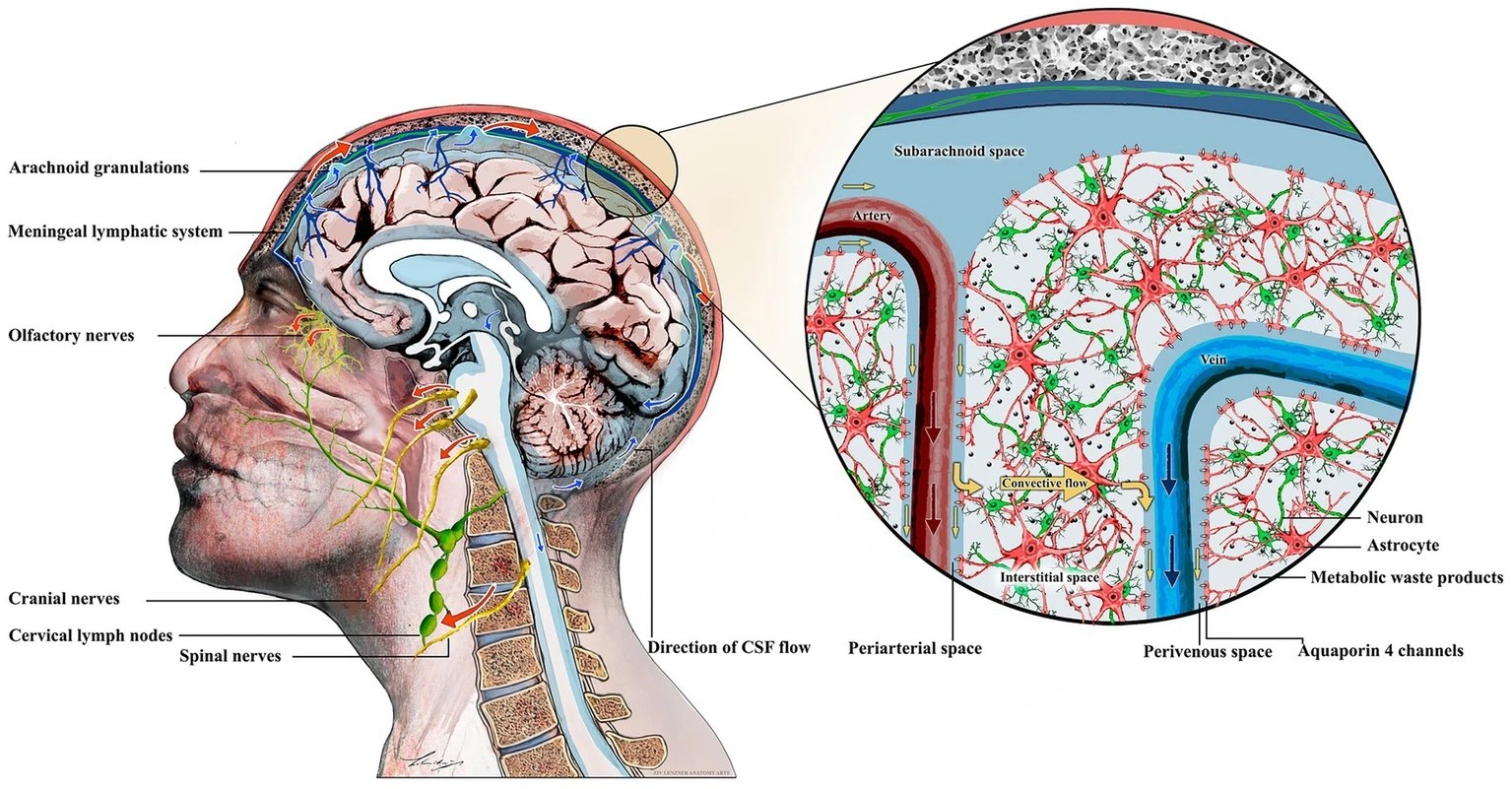
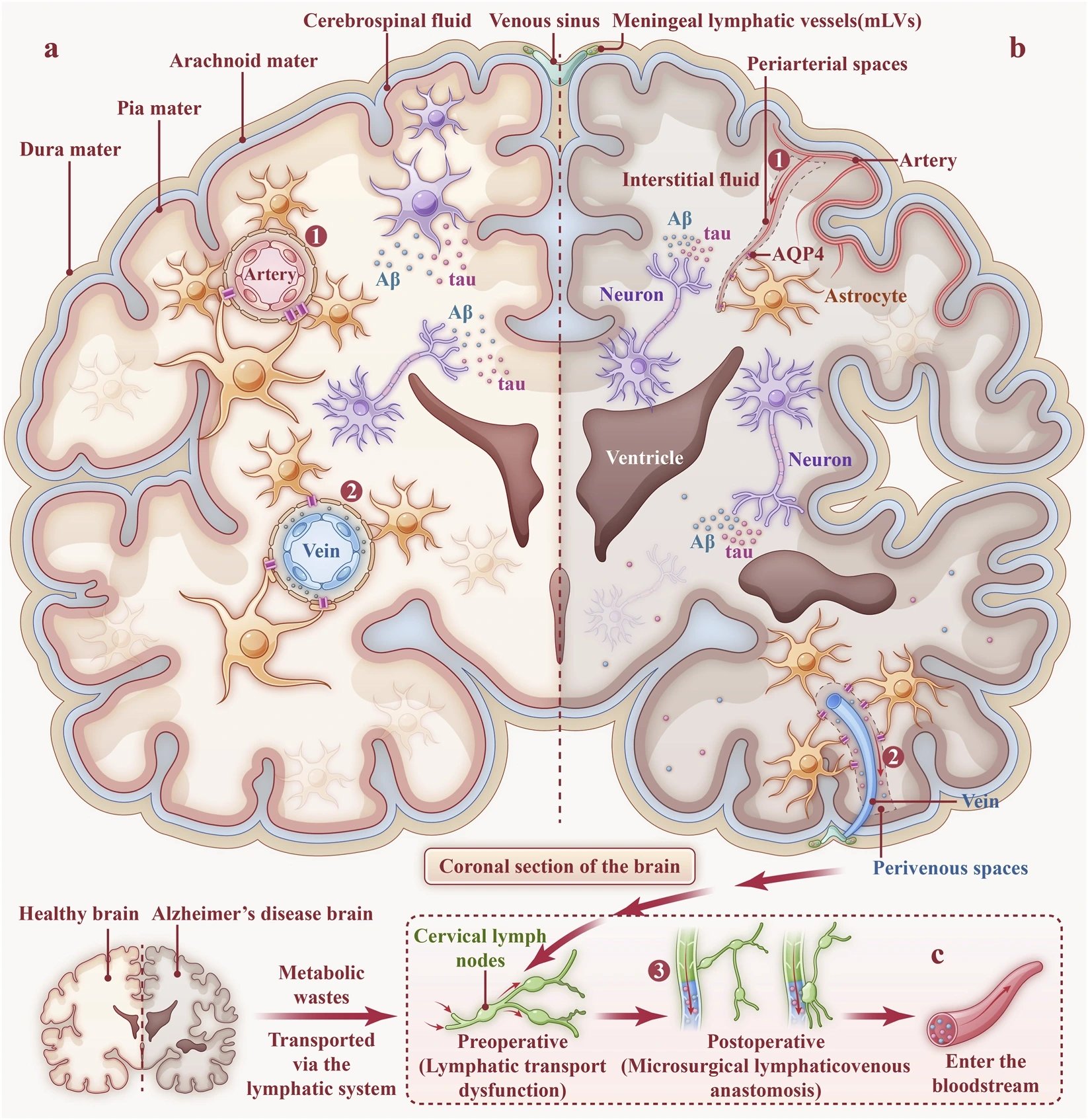
The procedure, deep cervical lymphatic-venous anastomosis (dcLVA), connects lymphatic vessels in the neck to veins to potentially drain waste proteins linked to Alzheimer's. First performed in September 2020 by Qingping Xie at Qiushi Hospital in Hangzhou, it gained global attention after Cleveland Clinic surgeon Wei Chen showed dramatic patient recovery videos at conferences. Within months, hundreds of Chinese hospitals offered the surgery, with marketing on Douyin and WeChat driving demand; many patients paid over 200,000 yuan (US$30,000).
Regulatory Intervention and Xie's Detention
As the surgery proliferated without peer-reviewed evidence, Chinese regulators intervened last year, restricting it to formal clinical research settings. Xie was detained in September for reasons that remain undisclosed, adding uncertainty to the field. The rapid, unchecked adoption prompted concern among scientists and a push for rigorous evaluation.
Global Trials and Scientific Caution
The technique is now entering trials in several countries, yet scientists stress that the brain's lymphatic drainage hypothesis is not fully established and anecdotal recoveries do not constitute proof of efficacy. Controlled studies are needed to assess safety and whether the surgery offers genuine disease-modifying benefits. The results will determine if this approach overcomes the high failure rate of Alzheimer's therapies.
What's Next
Clinical trials launching internationally aim to deliver evidence within several years. However, the detention of Xie and the lack of a clear regulatory framework in China leave the technique's long-term viability in doubt.
1 source
Unproven Alzheimer's surgery boom in China prompts regulatory crackdown, global trials