
U.S. sees Hormuz oil transit 77% below pre-war, disruptions into 2027
This digest was compiled by AI from multiple sources — links to the originals are below.
The U.S. Energy Information Administration projects oil transit through the Strait of Hormuz will remain severely depressed into 2027, with flows at 4.9 million barrels per day in Q2 2026, down 77% from pre-conflict levels. The disruption is expected to sustain a global supply shortfall of around 600,000 barrels per day through end-2027, even as some recovery begins in September.
Collapse in Hormuz Traffic
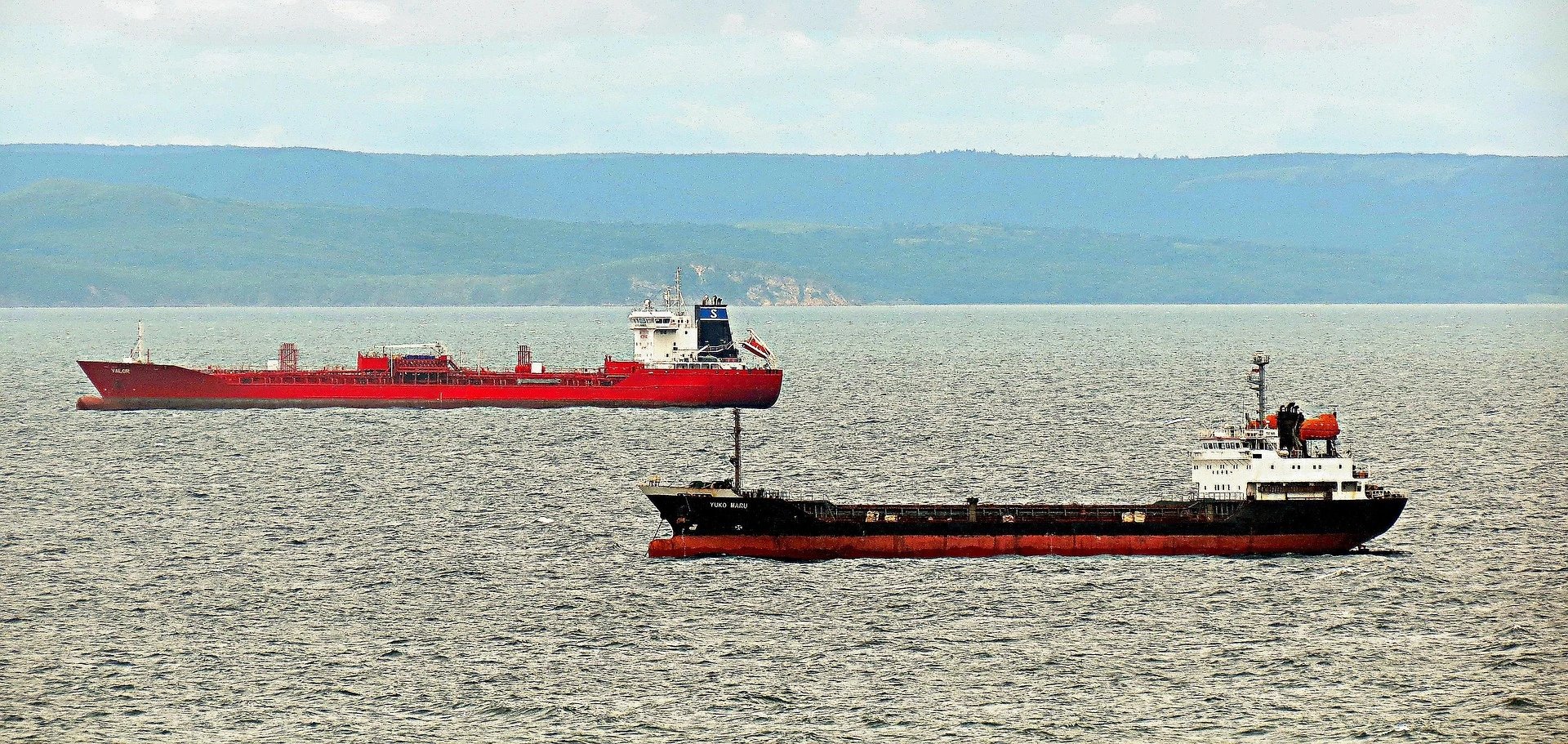
In Q2 2026, average daily oil and liquids flows through the strait fell to 4.9 million barrels, compared with 21.6 million barrels in Q4 2025 before the Iran conflict, a drop of over 16.7 million barrels per day. The strait, a chokepoint for roughly a fifth of global oil consumption, has seen tanker movements severely restricted due to military risks. The 77% decline reflects not only direct shipping avoidance but also higher insurance and freight costs that further strangle the route.
U.S. Supply Disruption Forecast
The EIA’s August Short-Term Energy Outlook anticipates that Hormuz transit will remain ‘severely limited’ in August, then gradually increase in September, with a return to pre-conflict trading patterns only by early 2027. Globally, forced production cuts averaged 5.5 million barrels per day in July, the agency estimates, with most expected to recover by Q1 2027. However, some Persian Gulf producers may never fully regain previous output levels during the forecast horizon. The U.S. also lifted its retail gasoline and diesel price forecasts for 2026, citing the supply uncertainty.
1 source
Time · lag behind first