
NASA Extends Voyager 2 Science Operations at Least One Year with Power-Saving Swap
This digest was compiled by AI from multiple sources — links to the originals are below.
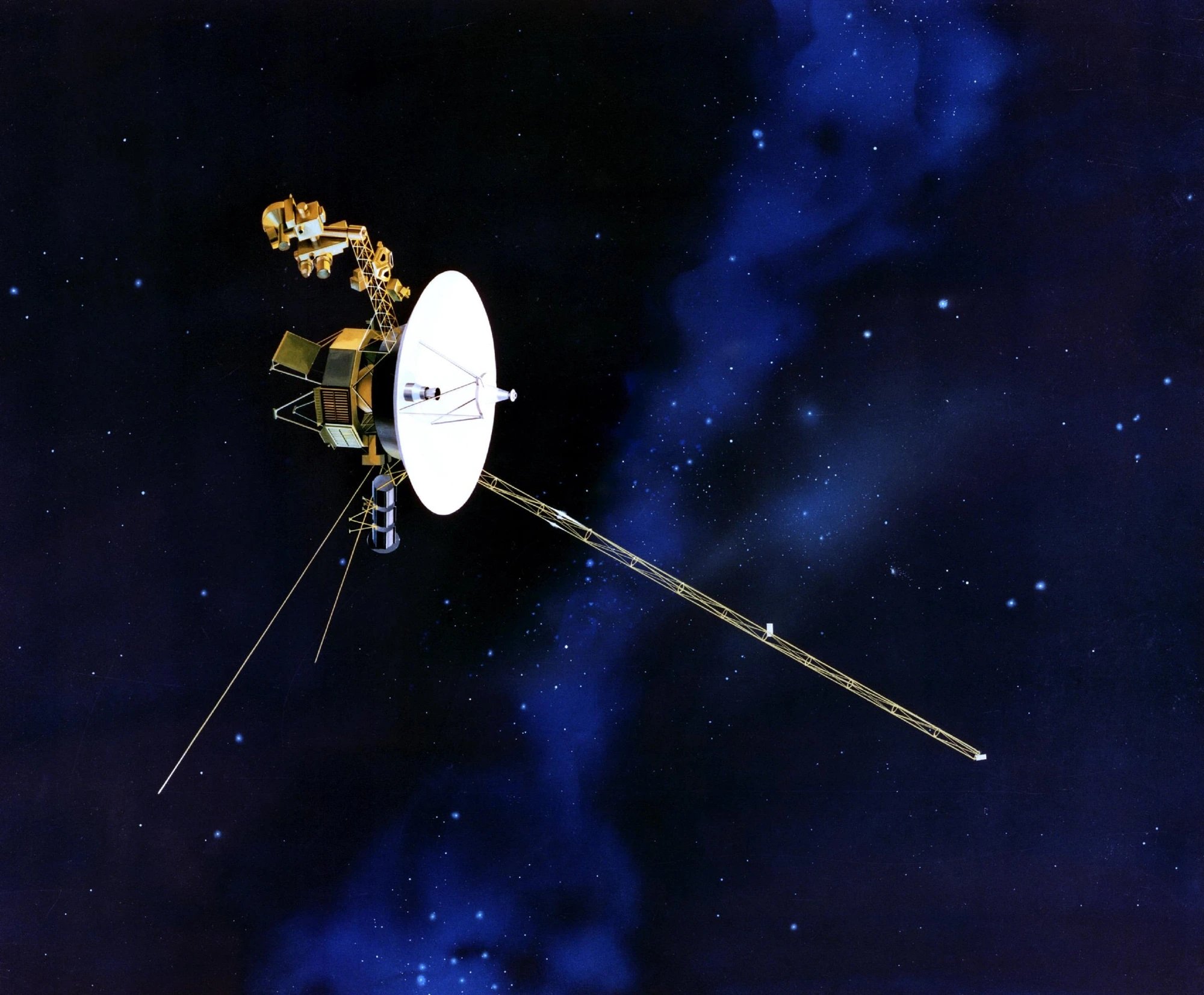
NASA’s Jet Propulsion Laboratory successfully completed the “Big Bang” operation, freeing enough power to postpone shutting down another science instrument on Voyager 2 by at least one year. The 47-year-old spacecraft, which loses about 4 watts of power annually, will now keep all three active instruments running through at least 2027. The fix comes even as engineers prepare a similar swap for Voyager 1 in the coming months.
The “Big Bang” Power Swap
On August 4, JPL engineers simultaneously turned off a set of powered devices and substituted lower-power alternatives in a single coordinated operation. The change, nicknamed “Big Bang,” kept the spacecraft warm enough to function while freeing sufficient power to avoid shutting down another scientific instrument by year’s end. Without this intervention, Voyager 2 would have been forced to pare down to just two active instruments. Now all three continue returning interstellar data for at least an additional year.
Four Watts Every Year
Voyager 2’s three radioisotope thermoelectric generators convert heat from decaying plutonium-238 into electricity, but their output drops by about 4 watts per year. Over 47 years, that gradual decline has forced a series of power-saving cutbacks. Heaters and systems no longer needed after planetary flybys were shut down first; more recently, mission managers reluctantly turned off the plasma science instrument in 2024 to preserve power for the others. NASA expects the “Big Bang” adjustment to secure another year of full science operations, though the relentless decay means further shutdowns are inevitable.
The 39-Hour Round Trip
With a one-way light time of about 19.5 hours, each command to Voyager 2 takes almost a full day to arrive, and the confirming reply takes another 19.5 hours. The 39-hour round trip turns every troubleshooting session into a multi-day experiment. Engineers must model the spacecraft’s behavior from decades-old documentation and simulate every outcome before pressing send. Despite the extreme latency, the JPL team executed the “Big Bang” flawlessly, demonstrating that remote system reconfiguration is still possible after nearly half a century in deep space.
2 sources
Time · lag behind first