Astronomers confirm GJ 887 d, second habitable-zone planet within 11 light-years
This digest was compiled by AI from multiple sources — links to the originals are below.
Astronomers have confirmed GJ 887 d, a planet orbiting a red dwarf 10.7 light-years from Earth, bringing the number of known habitable-zone planets within 11 light-years to two. The confirmation, published in a 2026 Astronomy & Astrophysics paper, relied on six years of radial-velocity data from the HARPS and ESPRESSO spectrographs. Even as the discovery sharpens the list of nearby potentially habitable worlds, neither GJ 887 d nor Proxima Centauri b has been shown to possess an atmosphere or liquid water.
The Confirmation of GJ 887 d
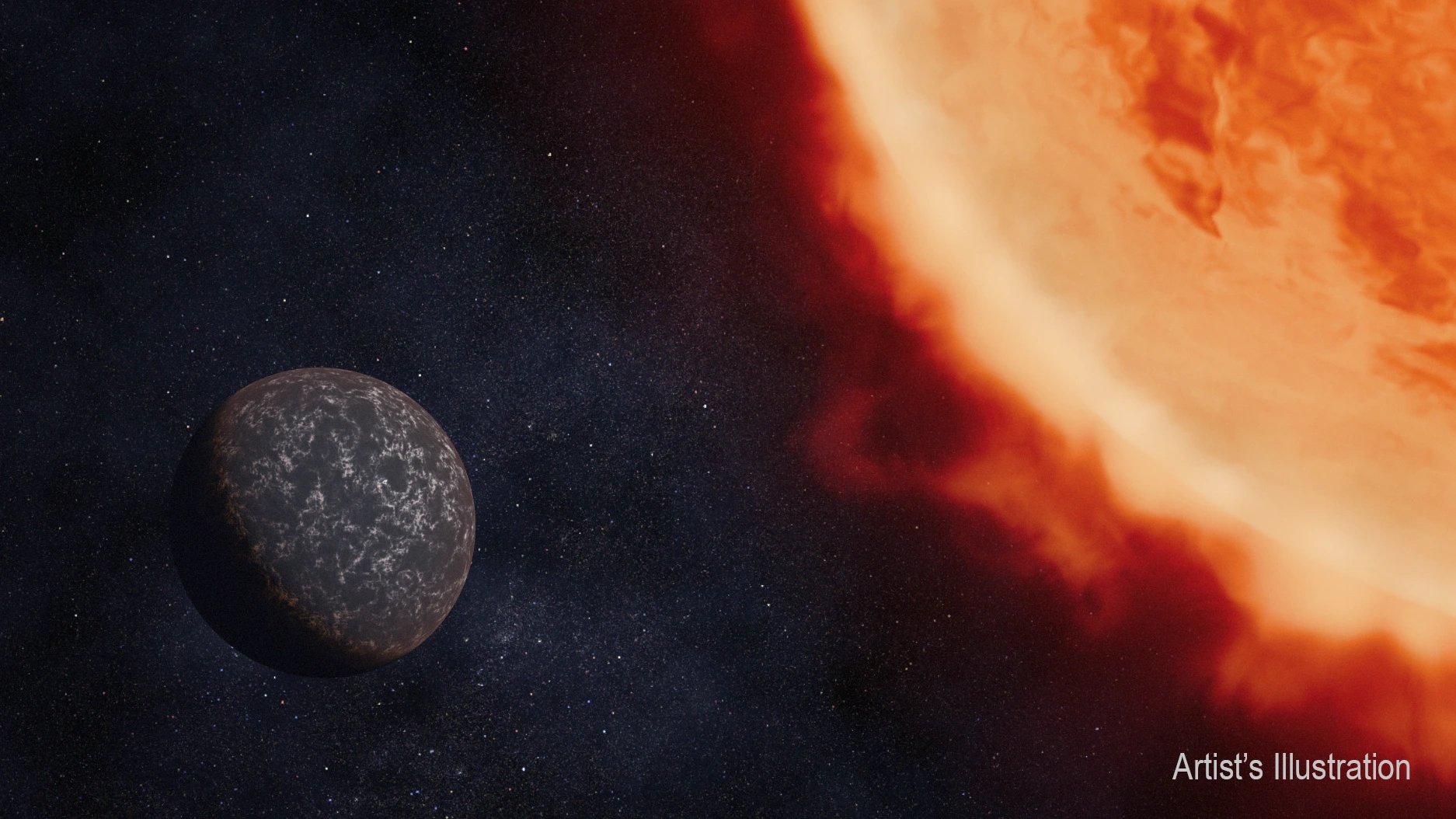
In 2020, HARPS data hinted at a third planet around GJ 887, but the signal was too weak to confirm. A 2026 study by Christian Hartogh and colleagues added 101 new HARPS observations and 12 from ESPRESSO, modelling stellar activity to reveal a four-planet system. GJ 887 d orbits every 50.77 days at 0.212 AU, with a minimum mass of 6.1 Earths and incident flux about 81% of Earth's. NASA's Exoplanet Archive classifies it as a super-Earth, though its composition remains unknown.
Proxima Centauri b: The Closer World
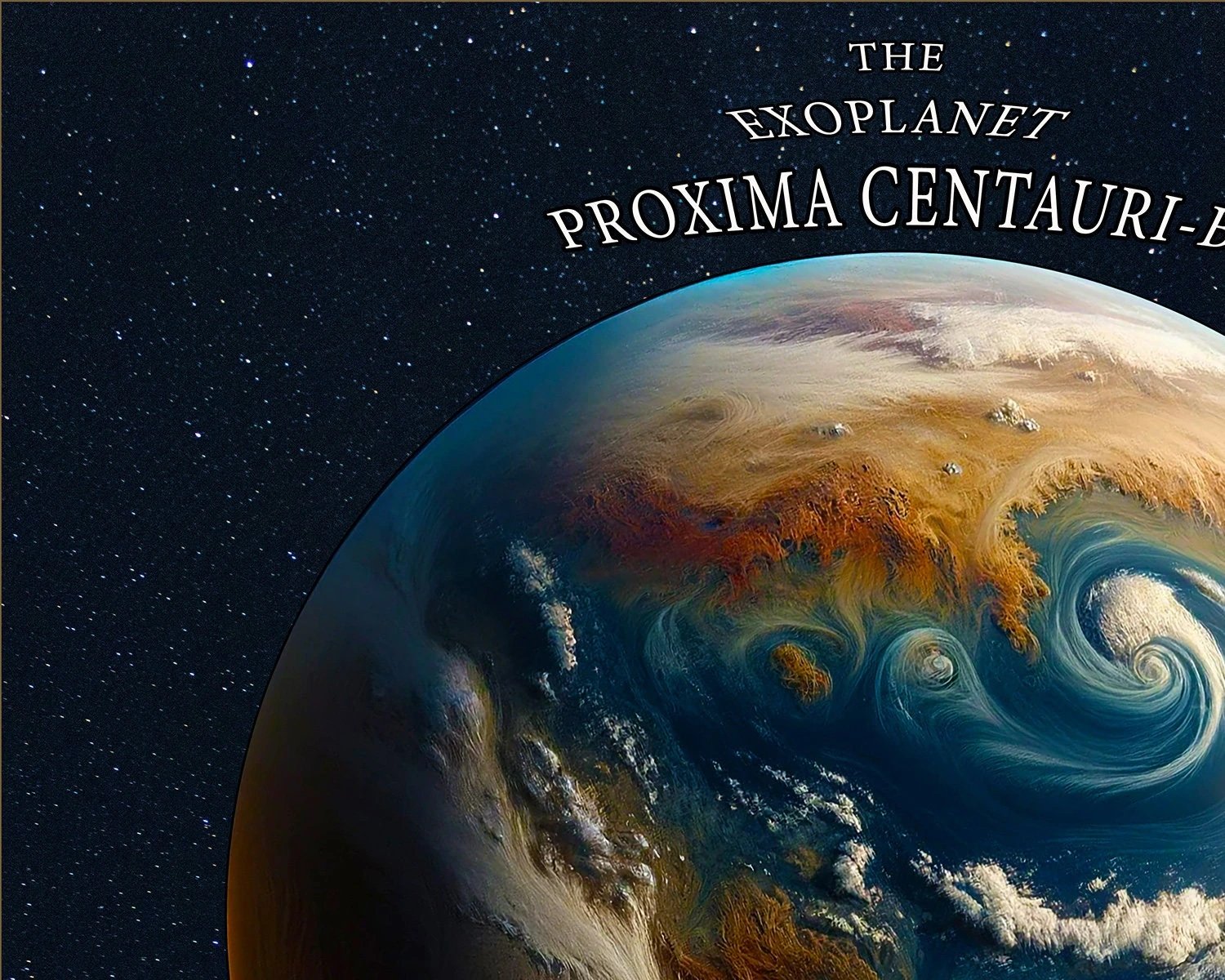
Discovered in 2016 via radial velocity, Proxima Centauri b orbits the nearest star to the Sun at 0.049 AU every 11.2 days. Its minimum mass is about 1.1 Earths, suggesting a rocky composition, but no transit data exists to measure its radius or density. At 4.24 light-years, it remains the closest known exoplanet and a prime target for future direct imaging studies.
The Limits of 'Habitable Zone'
A planet in the habitable zone receives enough starlight for liquid water to exist under suitable atmospheric conditions, but that is just a first filter. The actual surface environments of Proxima b and GJ 887 d depend on unknown factors like atmosphere, magnetic field, and stellar activity. Both orbit red dwarfs, which are prone to flares that could strip atmospheres and bathe surfaces in radiation.
What's Next
The next generation of telescopes, including the Extremely Large Telescope and the Habitable Worlds Observatory, may attempt to characterise the atmospheres of these nearby worlds. Whether either planet can support life remains an open question, hinging on data that may take decades to collect.
1 source
Astronomers confirm GJ 887 d, second habitable-zone planet within 11 light-years