
Stanford researchers use AI to create 16 new viruses targeting E. coli
This digest was compiled by AI from multiple sources — links to the originals are below.
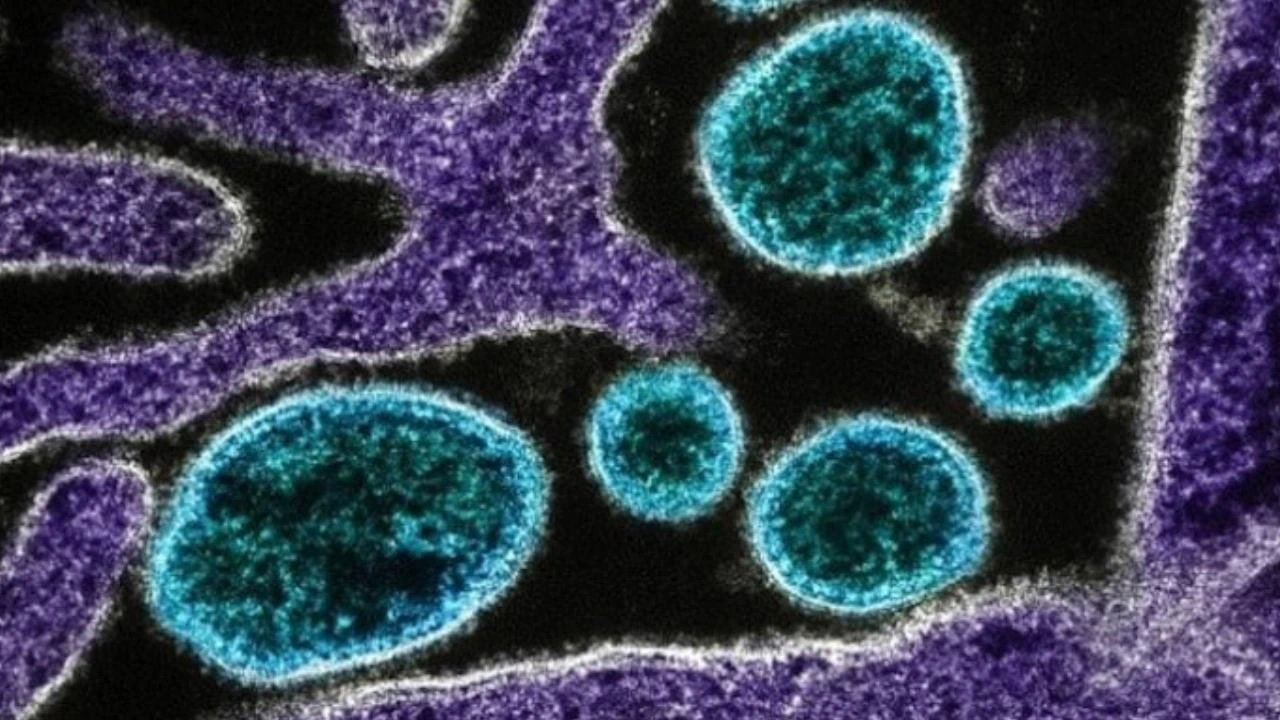
Scientists at Stanford University have used artificial intelligence to design completely new viruses from scratch, producing 16 bacteriophages that successfully killed E. coli bacteria in lab experiments. The study marks the first time AI has generated a full, self-replicating viral genome, a breakthrough that could transform antibiotic development but also triggers urgent biosecurity warnings. The researchers selected 302 AI-generated designs, synthesized them, and found 16 effectively destroyed the target bacteria.
The Breakthrough
A team led by Stanford Assistant Professor Brian Hie deployed large language models Evo1 and Evo2, trained on genetic sequences of viruses, bacteria, plants, and humans. Unlike previous AI drug discovery efforts, the models predicted entire viral genomes, enabling synthesis of bacteriophages that are capable of replication. After generating 302 designs, the scientists synthesized and tested them, observing 16 that cleared E. coli cultures within petri dishes. PhD student Samuel King noted the team 'started seeing clear plaques' in early morning checks, confirming the phages were active.
Therapeutic Promise
Bacteriophages, or phages, are naturally occurring viruses that infect bacteria, and they are seen as a potential alternative when antibiotics fail. The Stanford study demonstrates AI's ability to create custom phages targeting specific pathogens, such as antibiotic-resistant strains. Professor Hie described the work as 'a completely new territory' that could dramatically improve human health by accelerating the design of novel drugs and therapies. The 16 effective designs highlight a path toward precision antimicrobials, though clinical applications remain years away.
Biosecurity Fears
The same technology that produces therapeutic viruses could be misused to engineer novel pathogens, scientists warn. In a commentary published in Science, Dr. Thomas Inglesby and Dr. Moritz Hanke of Johns Hopkins Center for Health Security stressed that the findings raise 'urgent biosecurity and biosafety questions.' The ease with which AI can now create functional viral genomes has outpaced existing oversight mechanisms, they argued. Professor Hie acknowledged the dual-use risk, urging proactive discussion of safeguards.
1 source
Time · lag behind first