Fecal transplant trial helps 6 of 15 peanut allergy patients tolerate nuts
This digest was compiled by AI from multiple sources — links to the originals are below.
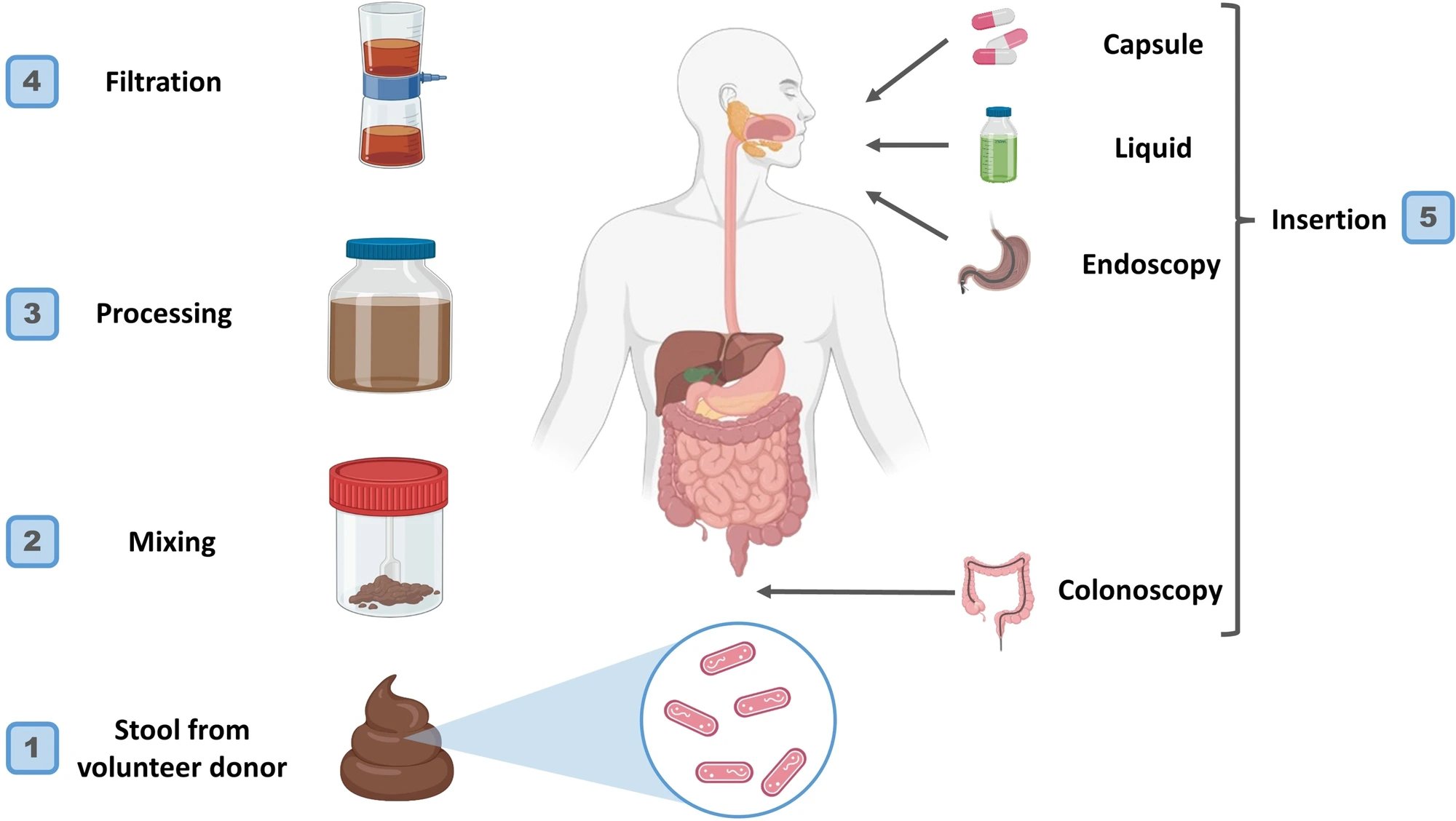
Six of 15 adults with severe peanut allergy were able to eat peanuts without reaction after receiving a fecal transplant, according to a study published on August 5 in Science Translational Medicine. The results provide the first evidence that the microbiome-based therapy benefits people, and allergists say the durable effect could offer a longer-lasting alternative to current treatments.
The Trial
Researchers enrolled 15 peanut-allergic adults who could not tolerate more than 100 milligrams of peanut protein—less than half a peanut—without an immune reaction. Participants took an odorless, tasteless pill containing gut bacteria from healthy donors; most swallowed 36 capsules in a single day. Four months after the transplant, one person could consume 300 milligrams and five could eat 600 milligrams or more, the equivalent of about two-and-a-half peanuts. No severe side effects were reported, and five participants also received a four-day course of antibiotics before the procedure.
Sustained Benefit
Edwin Kim, an allergist at the University of North Carolina at Chapel Hill who was not involved in the study, called the lasting protection 'really, really exciting' and noted that current oral immunotherapies often require continued exposure to maintain effect. Cathryn Nagler, an immunology researcher at the University of Chicago, said seeing any efficacy in humans was remarkable after success in mouse models. The durable response offers a potential alternative to standard advice—avoidance and carrying an adrenaline auto-injector—for the 6.5 million Americans affected by peanut allergy.
Microbiome Connection
Prior research has linked food allergies to alterations in gut microbial composition, and mouse studies have shown that certain bacterial consortia can suppress allergic sensitization. The fecal transplant aims to restore a healthy microbiome, thereby calming the immune system’s overreaction to harmless food proteins. The new study is the first to demonstrate this principle in people with a food allergy, moving the concept from animal laboratories to clinical practice.
What's Next
Larger controlled trials with longer follow-up are planned to confirm safety and durability, researchers said. It remains uncertain whether the protective effect will endure for years or shield against other allergies, and experts warn against performing the procedure outside clinical trials.
1 source
Fecal transplant trial helps 6 of 15 peanut allergy patients tolerate nuts