Nature study ties rare FNIP1 gene variants to 60% lower cardiometabolic disease risk
This digest was compiled by AI from multiple sources — links to the originals are below.
Rare FNIP1 gene variants are associated with a 60% lower risk of cardiometabolic disease, according to a Nature study analyzing 1.03 million people. The variants also correlate with reduced liver fat, lower blood sugar, and healthier fat distribution.
Study Scope and Design
The analysis drew on exome sequencing and genome-wide association data from 1,032,116 participants across 11 international cohorts in America, Europe, and Asia. Researchers focused on rare protein-coding variants and their association with the triglyceride-to-high-density-lipoprotein cholesterol (TG:HDL) ratio, a biomarker linked to insulin resistance, type 2 diabetes, and coronary artery disease. The TG:HDL ratio was validated as a reliable indicator of cardiometabolic risk across diverse populations.
FNIP1 Variant Effects
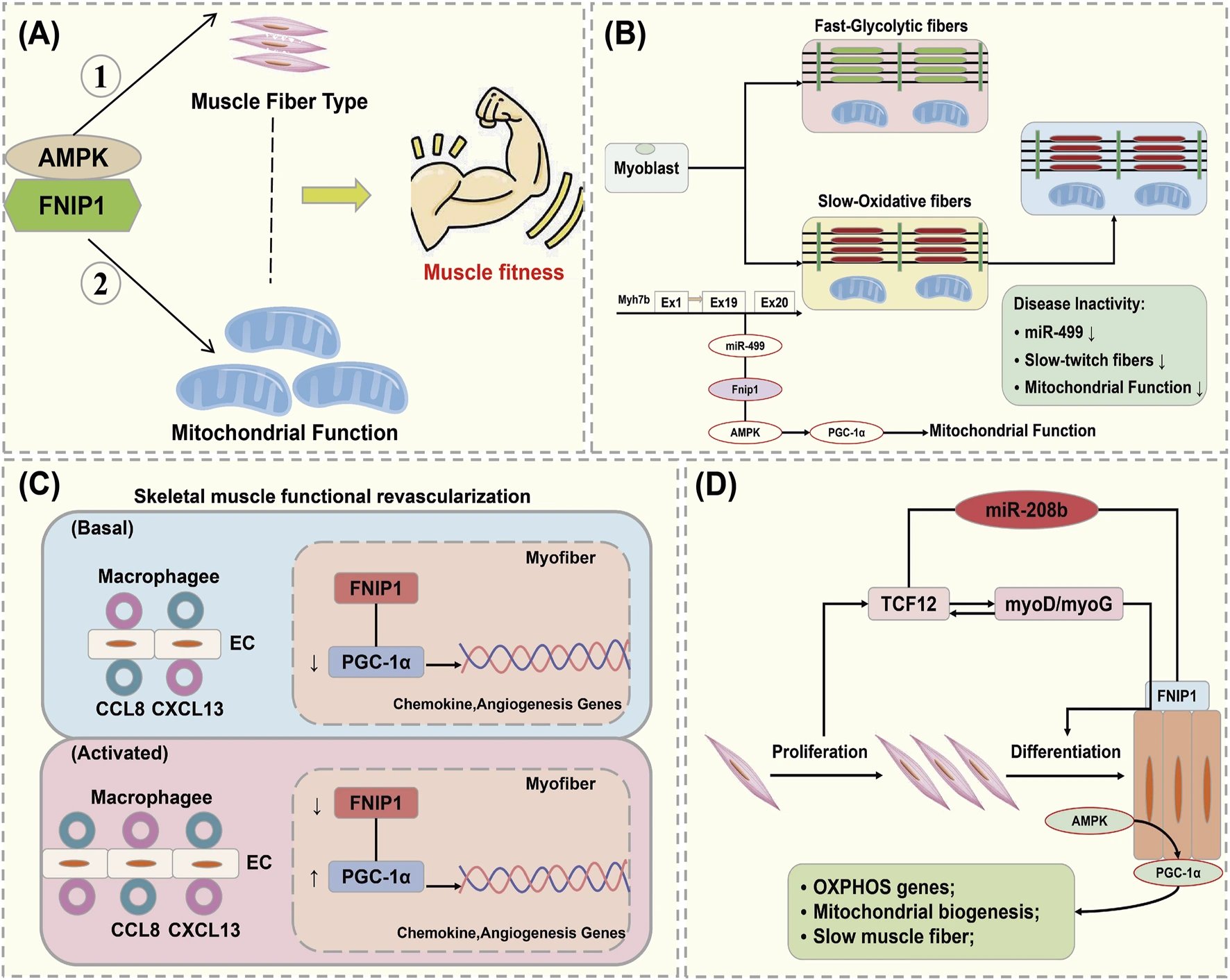
Ultra-rare protein-truncating variants in FNIP1, found in about 0.01% of the population, were tied to a lower TG:HDL ratio, reduced liver fat, lower blood glucose, and better fat distribution. Carriers showed around 60% reduced odds of developing cardiometabolic disease. In human liver cells, FNIP1 knockdown triggered lipid breakdown and activated lysosomal gene expression, while mouse studies showed that suppressing Fnip1 and its paralog Fnip2 or its binding partner Flcn protected against diet-induced weight gain and fatty liver, and improved insulin sensitivity.
Therapeutic Potential
FNIP1 encodes a protein that suppresses energy expenditure and mitochondrial metabolism, making it an attractive drug target. The study found that 23 of the 59 genes linked to the TG:HDL ratio already have approved or clinical-stage drugs, underscoring the clinical relevance of the findings. Researchers suggest that inhibiting the FNIP1 pathway could offer a new approach to treating cardiometabolic diseases such as type 2 diabetes, metabolic dysfunction-associated steatotic liver disease, and coronary artery disease.
What's Next
The findings are expected to prompt further preclinical and clinical studies exploring FNIP1 inhibitors as potential therapies for obesity, diabetes, and fatty liver disease. However, it remains unclear whether such genetic benefits will translate into safe and effective drugs for humans, given the rarity of the protective variants and the complexity of the FNIP1 pathway.
2 sources
Nature study ties rare FNIP1 gene variants to 60% lower cardiometabolic disease risk