ZFP36L2 orchestrates stress-adaptive plasticity in regeneration and cancer
This digest was compiled by AI from multiple sources — links to the originals are below.
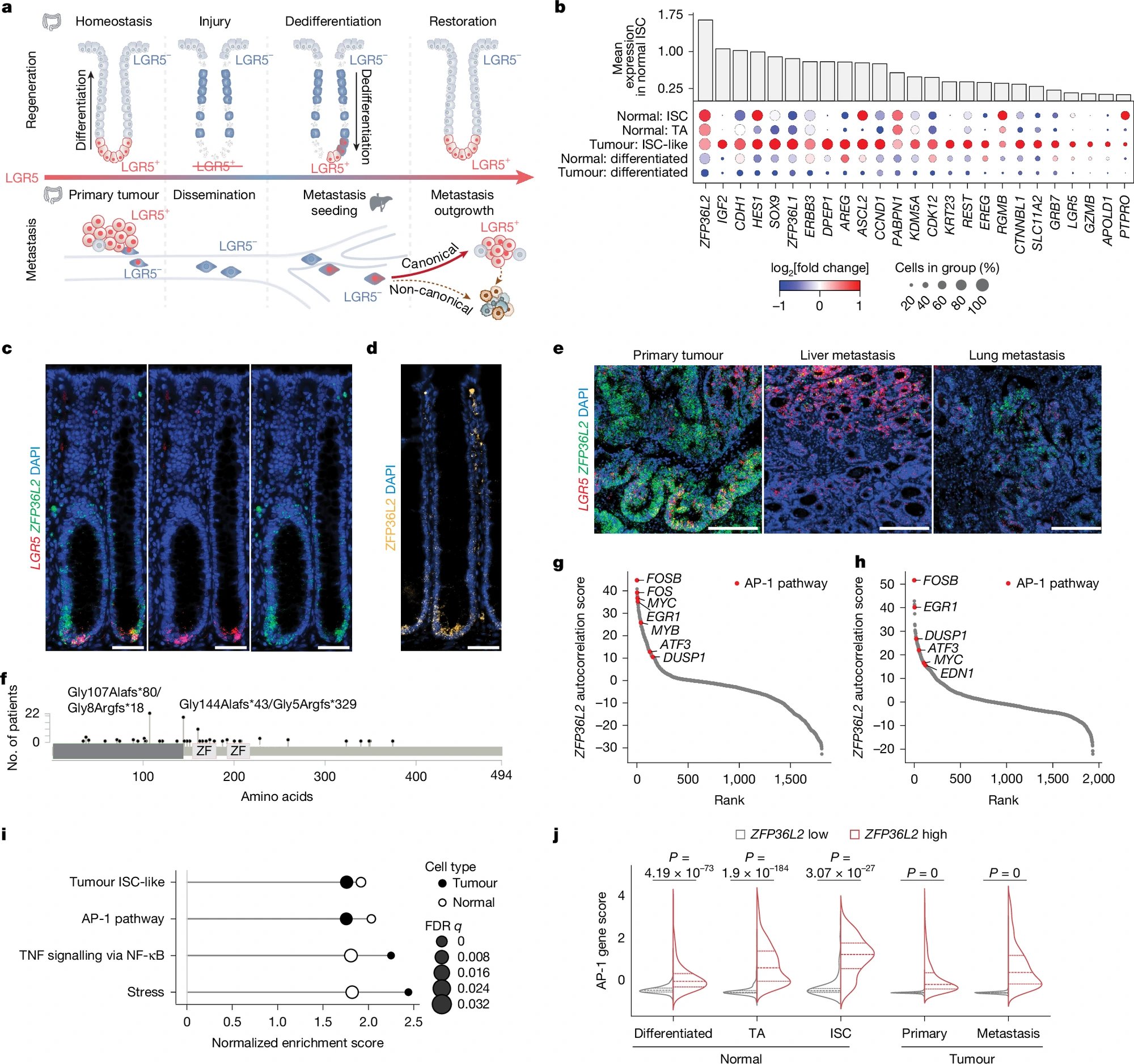
Scientists have identified the RNA-binding protein ZFP36L2 as a critical molecular switch that controls cell-fate reprogramming during intestinal wound healing and colorectal cancer metastasis. In mouse models, loss of the protein blocked intestinal regeneration, while in human cancer, its absence prevented the formation of canonical LGR5-positive metastases but promoted non-canonical lineage plasticity linked to poor outcomes. The findings, published in Nature, show ZFP36L2 is mutated in 5–10% of colorectal cancers.
Stress-Induced Reprogramming Mechanism
ZFP36L2 binds to stress-associated messenger RNAs that contain AU-rich elements in their 3′ untranslated regions. This interaction triggers the formation of dynamic biomolecular condensates, which facilitate mRNA degradation and terminate the cellular stress response. By clearing these transcripts, ZFP36L2 enables differentiated cells to dedifferentiate into a LGR5-positive intestinal stem cell state. The process is essential for epithelial regeneration after injury, but is also hijacked during cancer metastasis. ZFP36L2 mutations, found in 5–10% of colorectal cancers, disrupt this regulatory mechanism.
Consequences of ZFP36L2 Loss in Cancer
In mouse colon regeneration models, genetic ablation of ZFP36L2 inhibited dedifferentiation, suppressed stem cell gene expression, and impaired wound healing. In human colorectal cancer, loss of ZFP36L2 function prevented metastatic seeding and the outgrowth of canonical LGR5-positive metastases. However, tumors lacking the protein instead displayed non-canonical lineage plasticity, leading to heterogeneous cell states associated with poor clinical outcomes. The findings indicate that ZFP36L2 acts as a molecular switch that couples stress sensing to phenotypic plasticity, and its dysfunction redirects metastatic progression.
What's Next
Future research must assess whether therapeutic targeting of ZFP36L2 can block metastatic outgrowth without inducing alternative, aggressive lineage states. It remains unclear how ZFP36L2 mutation status in patients might inform prognosis or treatment decisions.
1 source
ZFP36L2 orchestrates stress-adaptive plasticity in regeneration and cancer