Iraq faces crisis as Shia armed groups defy disarmament ahead of September 30 deadline
This digest was compiled by AI from multiple sources — links to the originals are below.
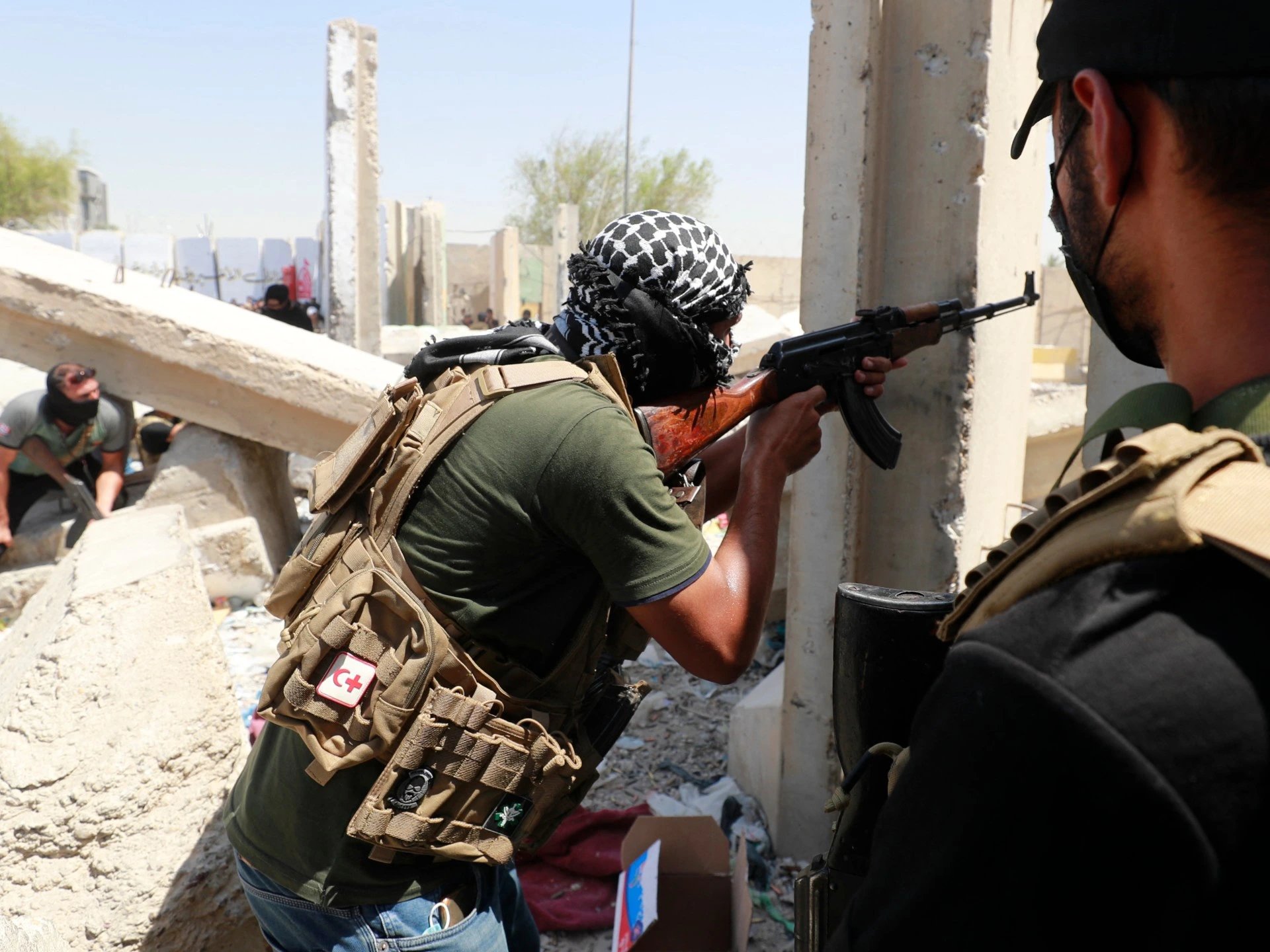
Iraqi Prime Minister Ali al-Zaidi faces a mounting crisis as powerful Shia paramilitary groups, including Kataib Hezbollah and Harakat al-Nujaba, refuse to disarm ahead of a September 30 deadline for consolidating weapons under state control. While some factions have agreed to integrate into the armed forces, the defiance of key Iran-aligned groups threatens to derail the initiative. The standoff unfolds amid US pressure and economic turmoil from the Strait of Hormuz closure.
The Defiant Groups
Kataib Hezbollah, an Iran-aligned paramilitary and one of Iraq's most heavily armed factions, has explicitly rejected the government's mandate, vowing to retain and develop its 'resistance weapons.' Harakat al-Nujaba similarly insists disarmament should target illegal weapons, not those who 'defended Iraq.' Meanwhile, Saraya al-Salam, Asaib Ahl al-Haq, and Kataib al-Imam Ali have agreed to integrate into the state forces. The refusal of key groups casts doubt on the entire process, with Mustansiriya University professor Talib Mohammed Karim warning that even declared compliance may be 'hypothetical.'
US Pressure and Economic Woes
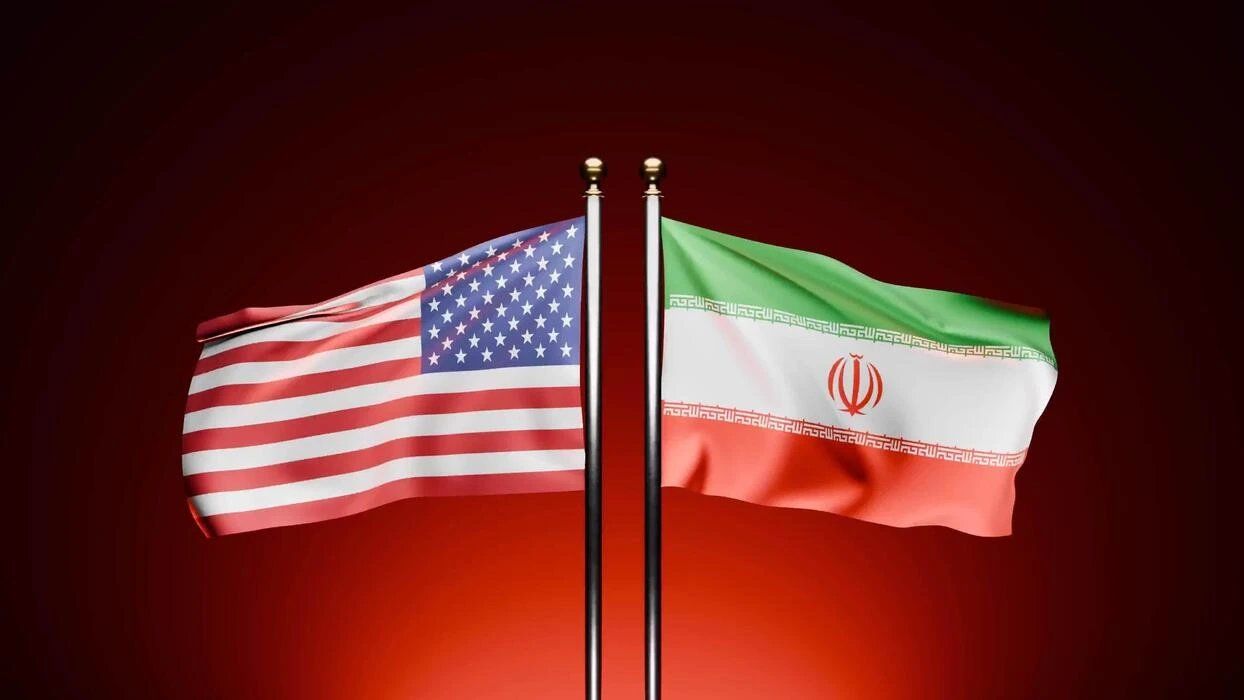
The disarmament push is driven heavily by US pressure amid the war on Iran, as well as Iraq's dire economic situation. Oil revenues, which account for over 90% of the state budget, have plummeted after the Strait of Hormuz closure, with exports dropping from 3.3 million barrels per day to just 600,000 bpd in March. The economic shock has intensified the need to attract foreign investment, which requires a stable security environment. Prime Minister al-Zaidi's government views disarming independent militias as essential to restoring sovereignty and attracting capital.
Sovereignty Debate
Some armed factions justify retaining their arsenals by citing the presence of US troops and external threats, but analyst Kadhim al-Hajj argues that linking disarmament to foreign withdrawals has lost relevance. He notes that attacks now come from across borders, making the condition moot. Al-Hajj also stresses that the disarmament process must remain a sovereign Iraqi matter, not a US dictate. The debate raises fundamental questions about the state's definition, with Professor Karim warning of a 'contradiction' if armed groups operate outside constitutional order.
What's Next
The September 30 deadline looms, with the government under pressure to enforce compliance or risk a breakdown of authority. It remains unclear whether al-Zaidi can compel the defiant factions to disarm without triggering a wider confrontation.
1 source
Iraq faces crisis as Shia armed groups defy disarmament ahead of September 30 deadline