
Polygonal plains indicate larger ancient oceans on Venus, study finds
This digest was compiled by AI from multiple sources — links to the originals are below.
New research by a University of London team suggests Venus may have once held oceans larger than previously believed, based on a reinterpretation of its polygonal plains. The study, published in Earth and Planetary Science Letters, describes six types of crack patterns resembling those formed in drying seafloor mud on Earth, challenging the long-standing volcanic cooling hypothesis.
Reinterpreting Venusian Cracks
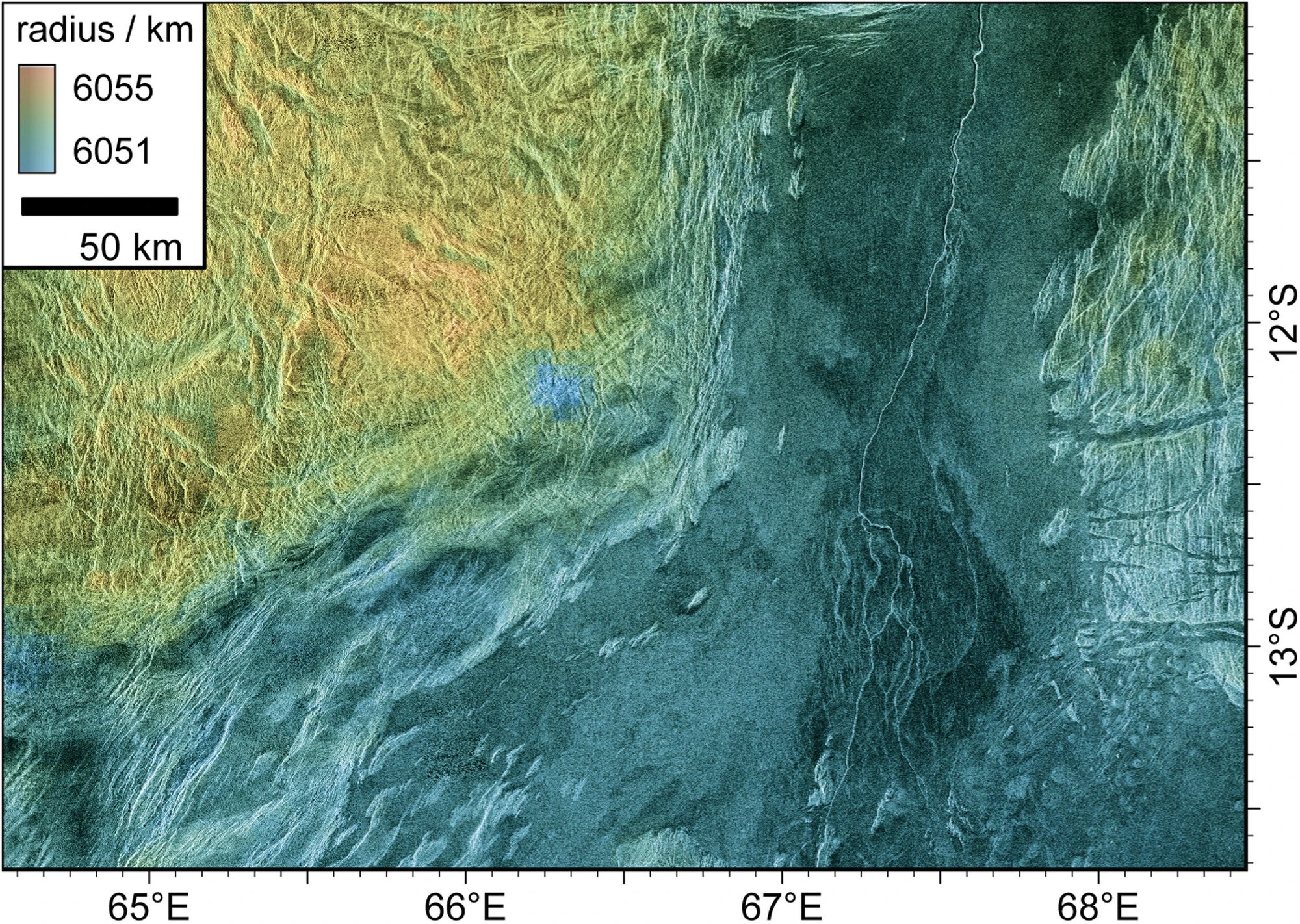
Much of Venus’s lowlands are covered in polygonal crack networks, each 1–2 kilometers across. For decades, these were attributed to cooling volcanic rock. Richard Ghail and his team classified the polygons into six distinct types and found they more closely resemble mud cracks formed when wet clay layers on Earth’s seafloor dry and shrink. This marine origin would imply the surface was once submerged, pointing to ancient oceans.
Earthly Analogues
The team drew parallels to the Messinian salinity crisis, when the Mediterranean Sea dried up around 6 million years ago, leaving thick salt deposits and cracked terrain. They also reinterpret Venus’s 'canali'—long winding channels previously thought to be lava-carved—as submarine channels similar to those on ancient Earth seafloors. Wrinkled ridges crisscrossing the plains may overlie salt layers left by evaporating oceans.
Calls for Confirmation
Ghail’s team emphasizes the features alone are not proof. Volcanic explanations cannot yet be ruled out, and more detailed surface observations are needed. Despite this, the findings strengthen the case that Venus once had stable, long-lived oceans and possibly habitable conditions.
1 source
Time · lag behind first