
NASA to Test Cislunar Docking with CAPSTONE 02 Mission in 2027
This digest was compiled by AI from multiple sources — links to the originals are below.
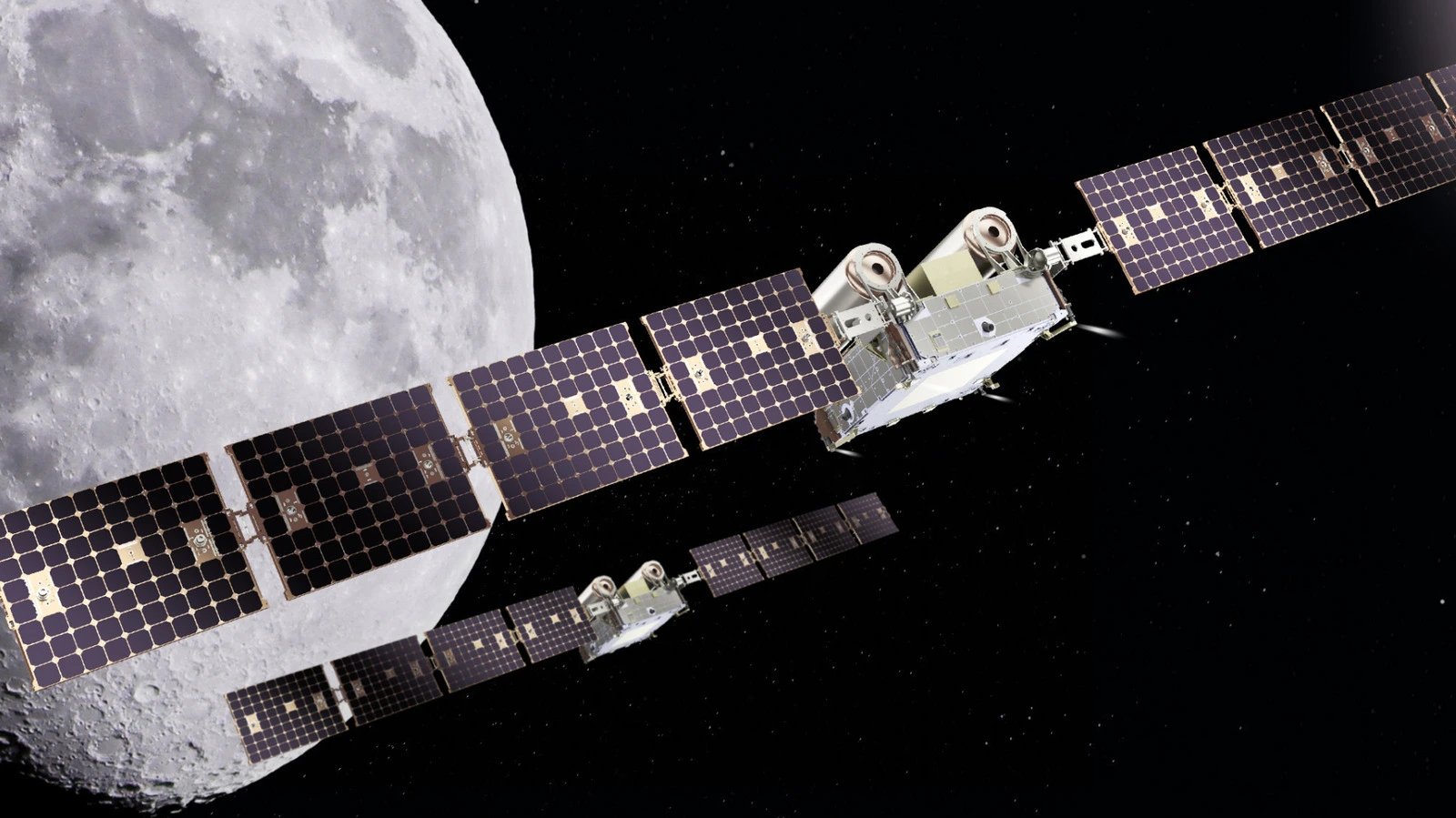
NASA has awarded Advanced Space a contract for the CAPSTONE 02 mission, scheduled to launch in 2027 to test formation flights and docking in cislunar space. The twin satellites, each under 900 pounds, will practice techniques essential for future crewed lunar landings. The mission follows the initial CAPSTONE demonstration that used two microwave-sized spacecraft to navigate the Earth-Moon environment.
The Three-Body Problem
A three-body problem arises when an object is influenced by the gravity of two larger bodies, making trajectory prediction highly complex. In cislunar space, the region between Earth and the Moon, no simple formula governs spacecraft motion. The planned Artemis missions, starting with Artemis IV in 2028, will require Orion capsules to dock with landing vehicles and transfer astronauts while navigating this unstable zone. Past experience, including the Artemis II orbital flight, highlighted the risks of lunar operations without precise maneuvering data.
Cislunar Competition
NASA is not alone in seeking cislunar capabilities. China and SpaceX are also developing plans for lunar operations, turning the region into contested real estate. The U.S. Space Force has expressed interest in placing hardware there, signaling a rising strategic priority. Advanced Space and Terran Orbital Systems, the satellite designer, are positioning themselves as key contractors for deep-space navigation as both commercial and government demand grows.
1 source
Time · lag behind first