NATO weighs placing US nuclear weapons in Poland, Finland, Lithuania
This digest was compiled by AI from multiple sources — links to the originals are below.
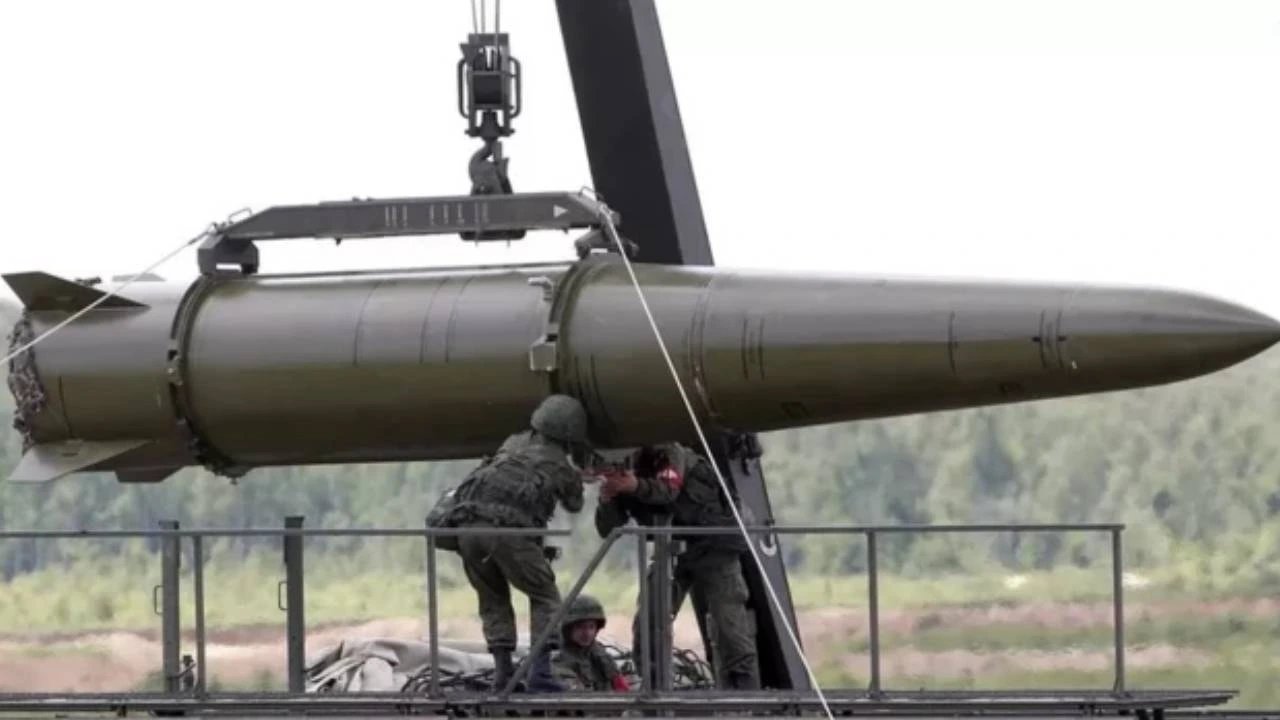
NATO is weighing the deployment of additional US nuclear weapons to Eastern Europe, identifying Poland, Finland and Lithuania as potential hosts, according to a report by Süddeutsche Zeitung confirmed by Secretary General Mark Rutte. Poland intends to formally join NATO's Nuclear Sharing program, Finland has abolished its historic ban on nuclear arms transit, and Lithuania's parliament is reviewing legislation to ease its constitutional prohibition. The move comes as a former NATO nuclear policy director argues such forward deployment is unnecessary given existing deterrence capabilities in Western Europe.
The Three Candidate Countries
Poland has signalled its intention to join NATO’s Nuclear Sharing program, which allows non-nuclear member states to host US nuclear weapons and participate in planning. Finland, which shares a 1,340-kilometre border with Russia, recently overturned a longstanding legal prohibition on the import and transit of nuclear weapons. Lithuania’s parliament, the Seimas, has initiated a legislative process to relax the constitutional ban on stationing nuclear arms on its soil. NATO Secretary General Mark Rutte confirmed that discussions on adapting the alliance’s nuclear posture are underway but declined to elaborate. The deliberations, first reported by Germany’s Süddeutsche Zeitung, reflect heightened threat perceptions from Moscow.
Expert Projections and Debate
US nuclear expert Robert Peters estimates that within 24 months, Europe’s nuclear arsenal could expand by 100 to 150 non-strategic weapons, necessitating new storage facilities in Poland and Finland. Peters argues this increase would be a proportionate response to Russian military modernisation. However, former NATO Nuclear Policy Director Jim Stokes contends that the alliance’s existing nuclear bases in Western Europe are sufficient for deterrence and cautions against moving weapons closer to Russia’s border. The divergence underscores internal debate over the risks and benefits of forward-deploying nuclear capabilities.
What's Next
NATO defence ministers are expected to address the nuclear posture review at their next meeting in October, with no formal decision yet scheduled. It remains uncertain whether all three potential host nations will finalise the necessary legislative and infrastructural steps amid likely Russian diplomatic pushback.
1 source
NATO weighs placing US nuclear weapons in Poland, Finland, Lithuania