
Caspian Pipeline Consortium resumes oil intake at 100,000 tonnes per day after drone attack
This digest was compiled by AI from multiple sources — links to the originals are below.
The Caspian Pipeline Consortium (CPC) began receiving 100,000 tonnes of oil per day from shippers on August 1, after a drone attack on July 30 forced temporary restrictions. Oil intake and tank farm filling are ongoing, and the consortium aims to increase transport volumes further. The attack did not cause a complete shutdown, even as tanker loading schedules may affect expansion.
The July 30 Drone Attack
On July 30, a drone attack targeted the Caspian Pipeline Consortium, causing temporary restrictions but no full shutdown. The consortium began limiting operations on July 31, but oil intake from shippers and tank farm filling never ceased entirely. Despite the incident, CPC continued receiving oil.
Resumption and Capacity
As of August 1, CPC resumed oil intake at a rate of 100,000 tonnes per day. The consortium plans to gradually increase transport volumes, contingent on the timely placement of tankers for loading at the marine terminal. CPC’s pipeline system serves as a critical export route for Kazakhstan’s crude oil.
Tanker Loading Dependency
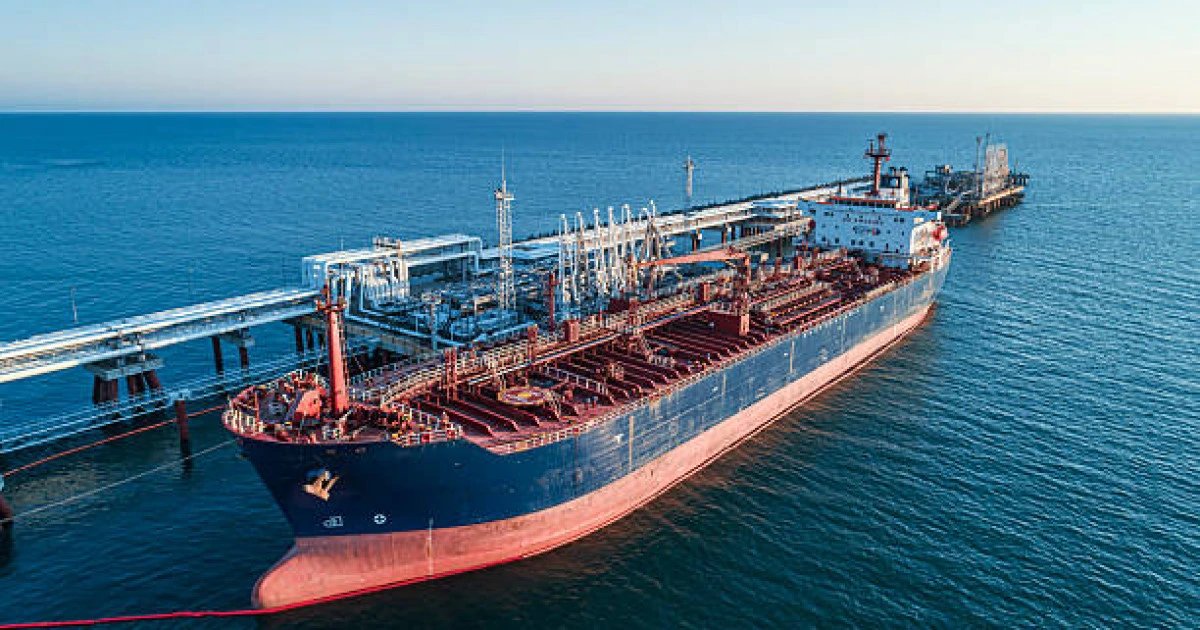
Further increases in transport volumes depend on tanker arrivals and loading schedules at the marine terminal. Delays could slow the ramp-up, even as shippers continue sending oil. The consortium has not specified a timeline for returning to pre-attack throughput levels.
1 source
Time · lag behind first