
Bank of England announces ban on coal-linked bonds as collateral from October
This digest was compiled by AI from multiple sources — links to the originals are below.
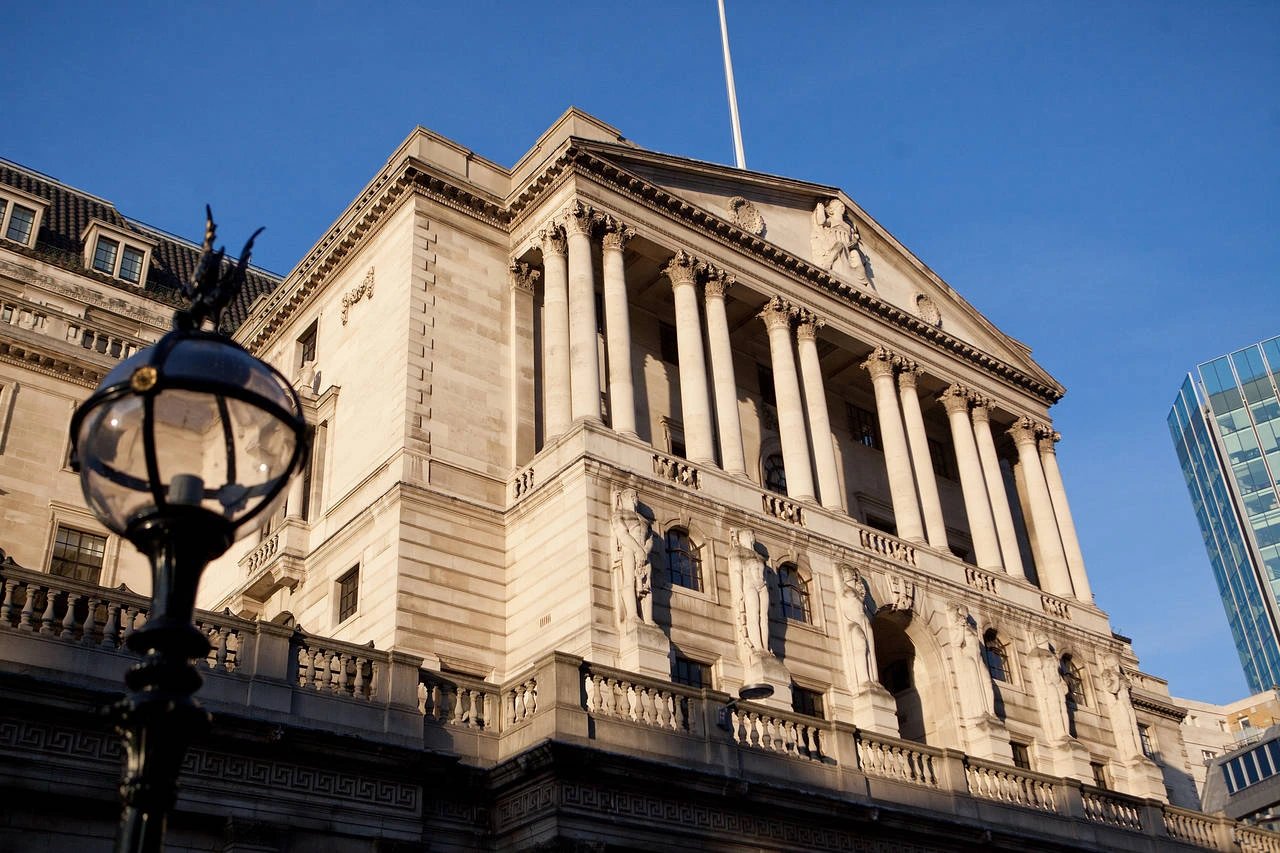
The Bank of England has announced it will no longer accept bonds tied to thermal coal as collateral for its lending to commercial banks, starting in October. The move reflects growing climate-related financial risks and follows campaigns for fossil fuel divestment. The decision was published quietly on the central bank’s website, even as the US government pressures institutions to continue supporting fossil fuels.
The Ban Details
The Bank of England’s new policy, set to take effect in October, will prohibit commercial banks from using bonds issued by thermal coal companies as collateral when borrowing from the central bank. This collateral is typically required for loans that help major UK banks like Barclays, Lloyds, NatWest, and HSBC settle transactions. The Bank will also discount the value of bonds from sectors exposed to net-zero transition risks to protect its balance sheet.
Climate Financial Risk
The move signals that assets linked to thermal coal are increasingly seen as too risky due to the global shift to clean energy and potential depreciation as net-zero targets approach. The Bank of England stated that coal firms “can be exposed to potential financial risks connected to the adjustment of the economy towards net zero.” The policy goes beyond measures taken by the European Central Bank, setting a stricter precedent among major central banks.
Stealthy Rollout and Political Headwinds
The announcement was posted on the Bank’s website without a formal public statement, a stark contrast to earlier high-profile climate initiatives. This low-key approach comes amid mounting US pressure on financial institutions to abandon climate-oriented policies and continue backing fossil fuel development. Ellie McLaughlin of campaign group Positive Money called it “a strong signal,” but noted the Bank could go further in its climate work.
1 source
Time · lag behind first