Kazakhstan food price growth falls fourfold to 2.4% in July, but mutton surges 27.7%
This digest was compiled by AI from multiple sources — links to the originals are below.
Year-on-year price growth for socially significant food products in Kazakhstan fell to 2.4% in July, down from 9.4% a year earlier, according to the Bureau of National Statistics. The overall index for these goods declined 0.3% month-on-month in July and 0.1% in the last week. The deceleration was largely driven by falling vegetable prices, even as mutton prices jumped 27.7% over the year.
The Meat Surge
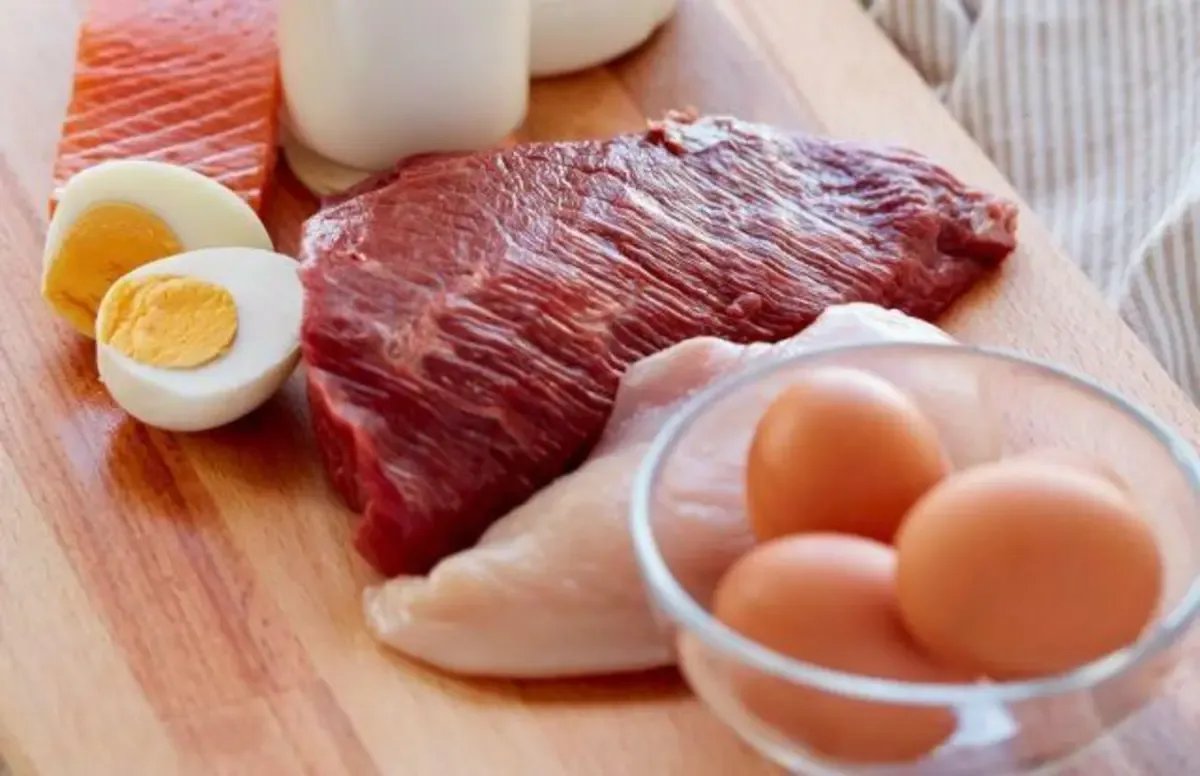
Mutton led the annual price increases, surging 27.7% on average across Kazakhstan. Other meats also posted double-digit gains: bone-in beef rose 15.6%, ground meat 15.3%, chicken legs 14.6%, and boneless beef and horse meat both increased 14%. In some cities, the jumps were even steeper—mutton spiked 48.8% in Uralsk, 47.2% in Kyzylorda, 45% in Semey, and 40.5% in Astana. Salt climbed 14.9%, eggs 14.4%, and butter 12.5%, underscoring meat as the main driver of remaining food price pressure.
Vegetable Price Declines
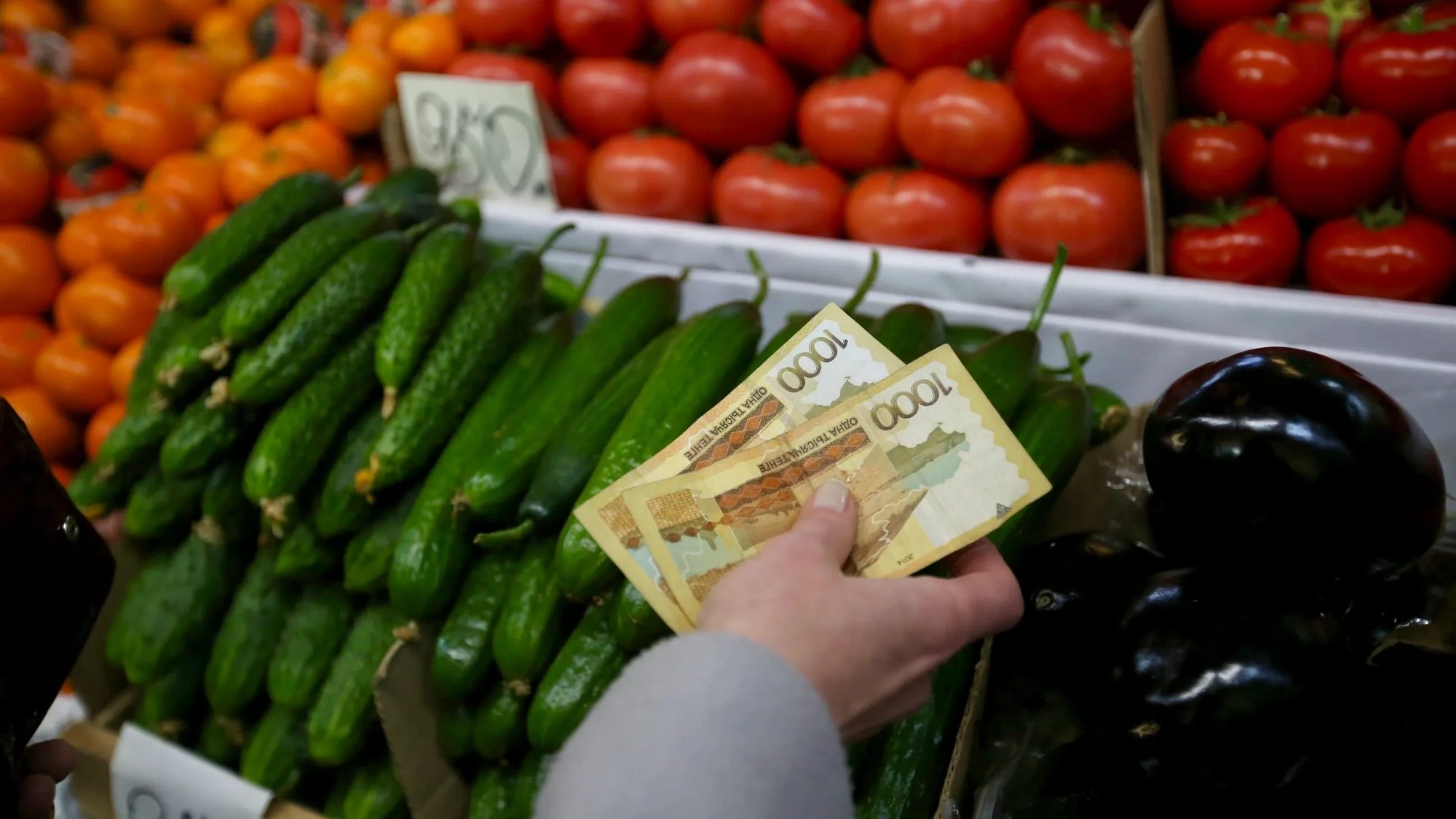
Vegetable prices provided a sharp counterbalance. Cucumbers dropped 31.6% year-on-year, tomatoes fell 26.5%, and onions slid 10.9%. Other staples also eased: apples declined 4.7%, rice 4.1%, and cabbage 2.9%. The seasonal harvest drove these declines, pulling the overall index into negative territory for the month. Without the vegetable price drop, the overall food inflation picture would be markedly different.
Regional Price Gaps
Significant regional disparities persist for the same products. Bone-in beef ranges from 4,150 tenge per kilogram in Almaty to 3,402 tenge in Atyrau. Butter is most expensive in Aktobe at 7,631 tenge per kilo, versus 4,263 tenge in Karaganda. A dozen eggs cost 689 tenge in Shymkent but only 475 tenge in Ust-Kamenogorsk. Potatoes sell for 371 tenge per kilo in Semey compared to 219 tenge in Turkistan. These gaps highlight uneven supply chains and market structures across the country.
What's Next
The seasonal impact of vegetable prices is expected to fade in the autumn, which could reveal underlying inflationary pressure. It remains unclear whether the recent moderation can be sustained once the harvest factor dissipates.
1 source
Kazakhstan food price growth falls fourfold to 2.4% in July, but mutton surges 27.7%