
Economist Ruslan Sultanov: Kazakhstan price caps lead to shortages
This digest was compiled by AI from multiple sources — links to the originals are below.
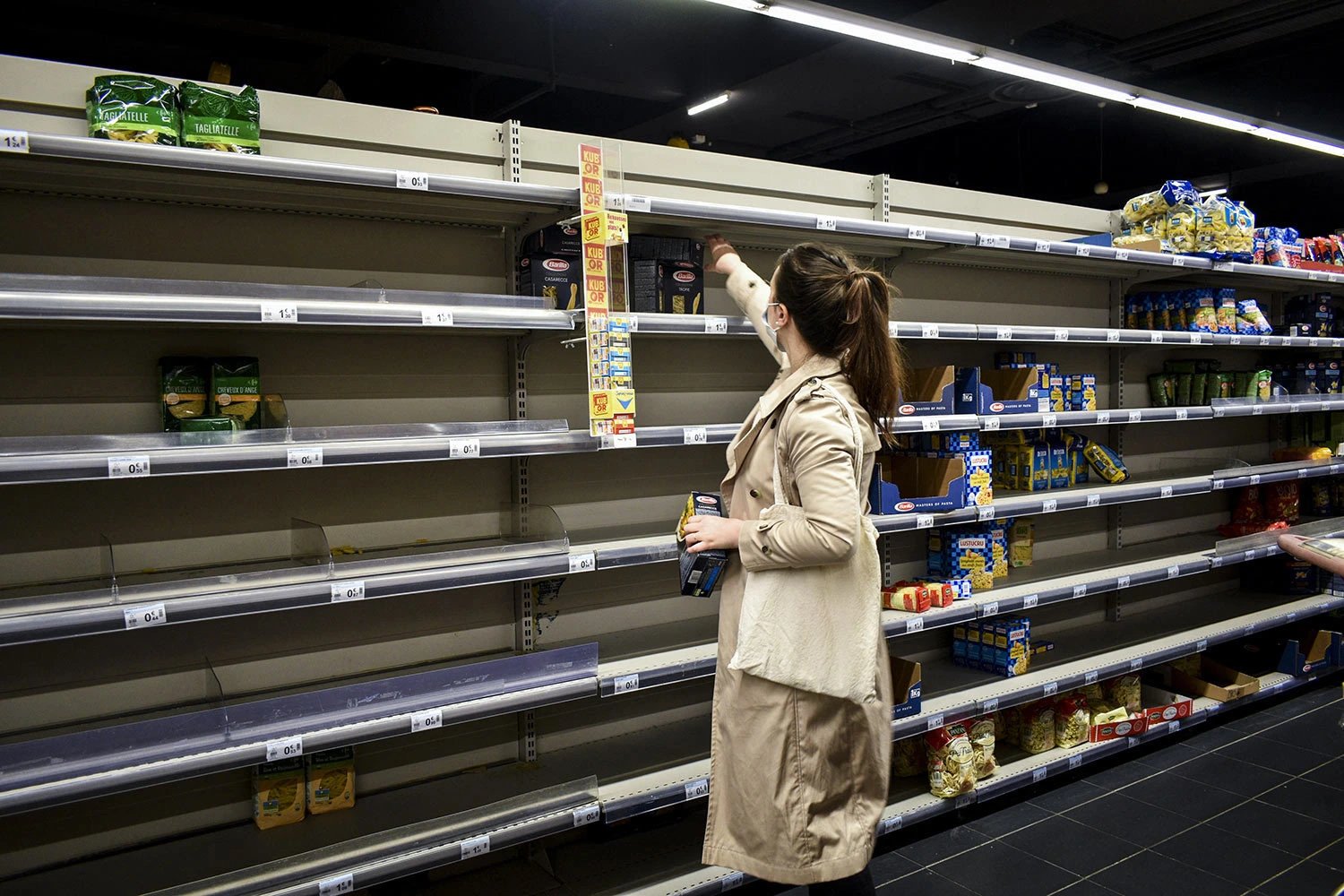
Economist Ruslan Sultanov says fixed prices on food do not stop inflation and instead create shortages, lower quality and parallel markets. Kazakhstan's annual inflation reached 10.2% in July 2026, up 0.6 percentage points from June. He points to US fuel price controls in the 1970s and Venezuela's food price caps as cases where shortages followed.
Key Facts
- Kazakhstan's annual inflation reached 10.2% in July 2026, up 0.6 percentage points from June.
- Economist Ruslan Sultanov compared price freezes to "treating a fever by breaking the thermometer."
- US fuel price controls in the 1970s caused supply disruptions and long queues at petrol stations, Sultanov said.
- Venezuela's price controls on basic food left official stores short of goods and pushed supplies onto a parallel market at much higher prices.
- If bread costs 520 tenge to produce and the state caps the price at 500 tenge, the seller loses money on every loaf, Sultanov said.
Inflation and Purchasing Power
Kazakhstan's annual inflation reached 10.2% in July 2026, up 0.6 percentage points from June. At the same income level, the same money buys fewer goods and services. Even when salaries rise in nominal terms, real purchasing power falls if income growth lags inflation. Against this backdrop, proposals to cap prices on basic food products regularly reappear.
International Examples
Sultanov says long periods of artificially low prices have repeatedly ended in shortages and parallel markets. In the 1970s, the United States imposed price controls including on fuel. Fixed fuel prices did not always let sellers cover rising costs, causing supply disruptions and long queues at petrol stations. Venezuela's controls on basic products left official stores short of goods and pushed supplies onto a parallel market at significantly higher prices.
Cost Arithmetic
If a loaf of bread costs 500 tenge to produce and sells for 550 tenge, the business keeps a small profit. A state maximum price of 500 tenge does not remove costs for flour, electricity, transport, rent and wages. If the production cost rises to 520 tenge, selling at 500 tenge becomes a loss for the entrepreneur every day. "Selling at 500 tenge with a cost of 520 tenge is not help, it is a loss every day," Sultanov said. Businesses then cut purchases, narrow assortment or lower quality to limit losses.
2 sources
Time · lag behind first