Indonesia’s bid for 42 Chinese J-10C jets tests ASEAN trust
This digest was compiled by AI from multiple sources — links to the originals are below.
Indonesia is considering acquiring at least 42 Chinese-made J-10C fighters and over 40 JF-17s from Pakistan, a move that signals a departure from reliance on Western suppliers. The procurement is part of a broader hedging strategy, with Jakarta simultaneously deepening ties with China, the U.S., and other partners. However, the pivot comes as Indonesia remains a maritime rival to China in the Natuna Islands, highlighting the complexity of its balancing act.
Fighter Procurement Plans
Indonesia announced plans in October 2025 to acquire at least 42 J-10C fighters from China and later engaged in advanced talks with Pakistan for over 40 JF-17s, a joint Chinese-Pakistani design. These potential deals would add Chinese-origin platforms to a modernization effort that already includes French Rafales and Turkish KAAN jets, while a proposed Boeing F-15EX program has been shelved. Jakarta’s approach is explicitly non-aligned, driven by a desire to avoid dependency on any single supplier, but the scale of Chinese involvement is unprecedented.
Geopolitical Hedging
Indonesia’s foreign policy of “bebas aktif” has manifested in a flurry of engagements: joining BRICS in 2025, deepening defense ties with Japan, and participating in U.S.-led exercises Talisman Sabre and Super Garuda Shield. At the same time, Jakarta resumed joint military training with China and became the first recipient of Beijing’s “2+2” dialogue format in April 2025, a mechanism described by China as unique. This dual track underscores Indonesia’s determination to maintain strategic autonomy, but it also raises questions about its reliability as a security partner for Western allies.
Economic Ties and Maritime Rivalry
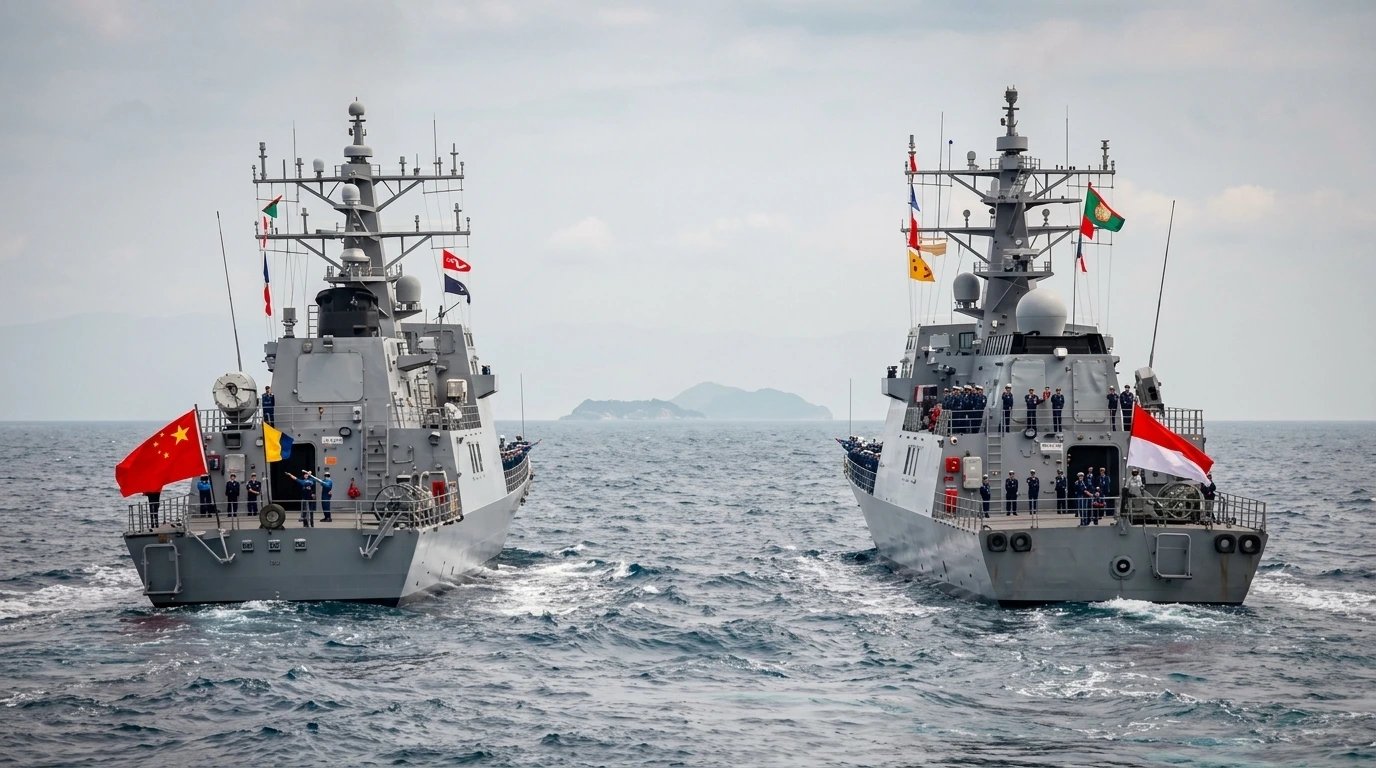
Chinese capital underpins Indonesia’s nickel processing boom and EV battery ambitions, with CATL leading a comprehensive supply chain project. China also built the Jakarta–Bandung high-speed railway, symbolizing its economic footprint. Yet Indonesia’s own coast guard frequently confronts Chinese vessels near the Natuna Islands, where Jakarta rejects Beijing’s expansive maritime claims. This parallel of deep economic integration and open maritime friction complicates any simple narrative of alignment.
What's Next
The outcome of the fighter negotiations remains uncertain, but a shift toward Chinese hardware could alter the balance of air power in Southeast Asia. It remains unclear whether ASEAN members will quietly accept Indonesia’s diversification or push back against what they may perceive as a security risk.
1 source
Indonesia’s bid for 42 Chinese J-10C jets tests ASEAN trust